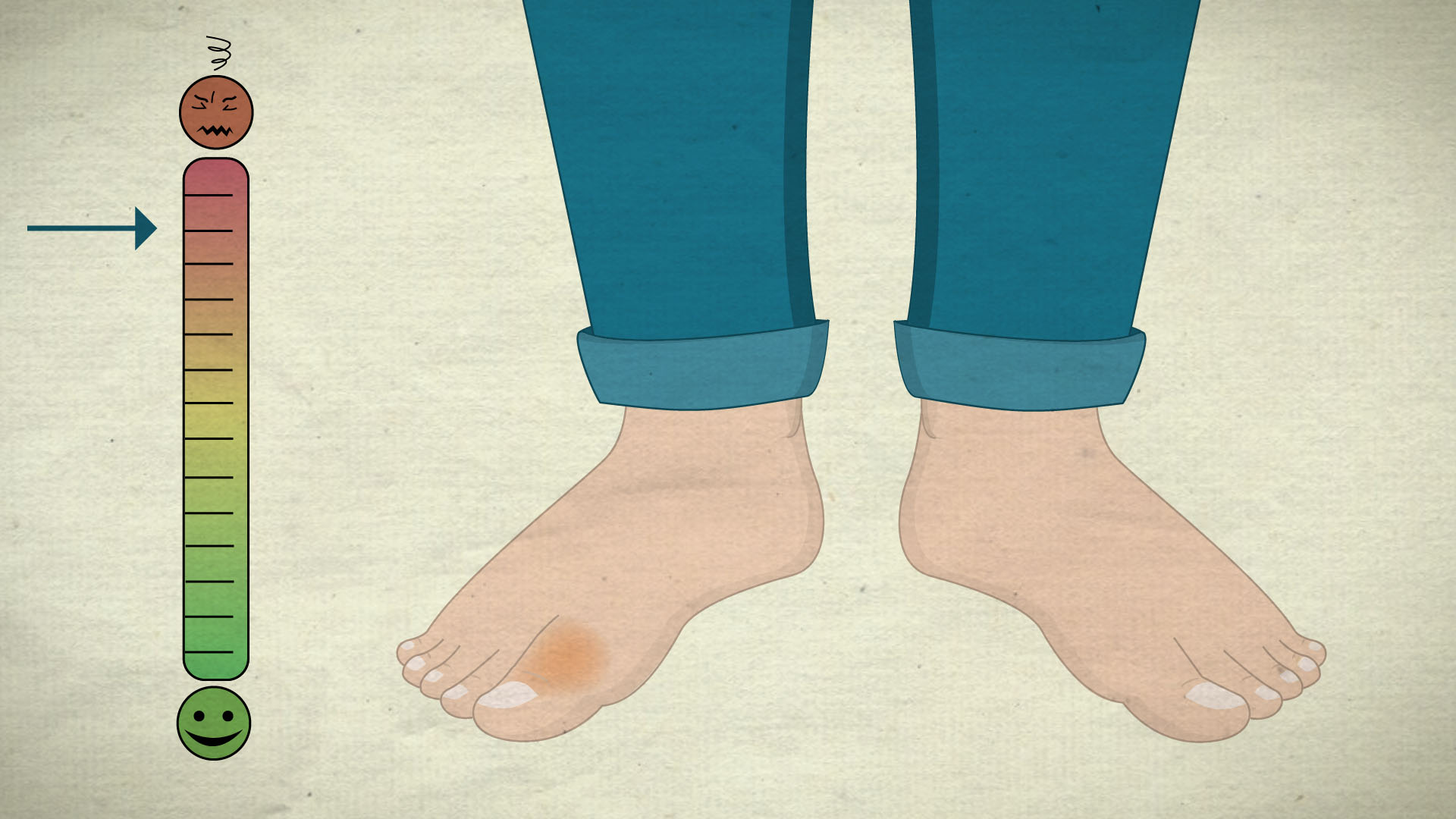
Experiencing discomfort in your toes can be distressing, particularly if you suspect a fracture. The toes may seem small, yet they play a vital role in maintaining balance and mobility. Understanding the signs and symptoms of a broken toe can be crucial for effective treatment and recovery. This article will provide you with a comprehensive guide on how to discern whether your toe is fractured and what steps to take next.
Recognizing the Symptoms of a Broken Toe
The initial step in determining if your toe is broken is to evaluate the symptoms meticulously. Common indicators include:
- Pain: Intense pain that escalates with movement or pressure is often the first sign of a fracture. This discomfort may be localized to the injured toe, making it feel as though it is throbbing or pulsing.
- Swelling: A broken toe typically becomes swollen, often to a degree that is noticeable compared to neighboring toes. This swelling can arise rapidly following the injury.
- Bruising: Discoloration around the toe, particularly blue or purple hues, can signify bleeding beneath the skin due to trauma. The timing of the bruising can vary but usually appears within hours post-injury.
- Deformity: An abnormal alignment of the toe—whether it appears misaligned or out of place—warrants immediate attention. A visibly crooked or angulated toe is often a telling sign of a fracture.
- Difficulties in Movement: If moving the affected toe or using it to walk becomes exceedingly painful, it may indicate a break. Any inability to bear weight on the toe should be assessed promptly.
Assessing the Severity of the Injury
Once you have identified potential symptoms, the next step is to gauge the severity of the injury. Consider the following:
- Nature of the Impact: Reflect on how the injury occurred. A direct impact from a heavy object or stubbing your toe against a hard surface can increase the likelihood of a fracture.
- Type of Pain: Is the pain sharp and severe, or is it dull and manageable? Sharp pain usually suggests a more serious issue.
- Duration of Symptoms: If pain, swelling, or bruising persists beyond a few days without signs of improvement, professional evaluation may be warranted.
Home Assessment Techniques
Before seeking medical assistance, some rudimentary home assessment techniques can help you ascertain the likelihood of a broken toe.
- Rest and Observation: Resting the toe and observing any changes over 24 hours can provide insight. If symptoms worsen rather than improve, a fracture may be probable.
- Self-Diagnostic Tests: Gently pressing on or moving the toe can help reveal pain levels and range of motion. Take note of any sharp pain in specific areas, as this might indicate the location of a fracture.
- Comparative Analysis: Examine your other toes. Are they swollen or bruised? Comparing them can provide clues about whether your injured toe is behaving atypically.
When to Seek Medical Attention
While some toe injuries heal independently, others require medical intervention. It is advisable to seek professional care if you experience any of the following:
- Inability to Walk: If putting weight on the injured foot results in acute pain, it’s best to consult a healthcare provider.
- Severe Swelling and Bruising: Excessive swelling that doesn’t subside can indicate a more serious injury.
- Persistent Pain: Pain that lingers and does not improve with rest, ice, or over-the-counter medication should not be ignored.
- Visible Deformity: Any obvious misalignment or deformity warrants immediate medical evaluation to determine if surgical intervention is necessary.
Diagnostic Procedures: What to Expect
Upon visiting a healthcare provider, you may undergo a series of diagnostic procedures, including:
- Physical Examination: A healthcare professional will assess your toe by checking for tenderness, swelling, and range of motion. They may ask about how the injury occurred.
- X-Rays: X-ray imaging is the most common method for diagnosing a broken toe. This imaging can reveal fractures that may not be apparent through physical examination alone.
- CT Scans: In more complex cases, a CT scan might be ordered to provide detailed images of the bone structure.
Treatment Options and Recovery
If diagnosed with a broken toe, treatment will typically involve:
- Rest: Giving your toe adequate time to heal is crucial. Avoid putting weight on the foot as much as possible.
- Icing: Applying ice can help reduce swelling and alleviate pain. Aim for 15-20 minutes of icing several times throughout the day.
- Buddy Taping: Taping the injured toe to an adjacent toe may provide support and stability during the healing process.
- Pain Management: Over-the-counter nonsteroidal anti-inflammatory drugs (NSAIDs) can help manage pain and reduce inflammation.
Recovery times can vary, often ranging from a few weeks to several months, depending on the severity of the fracture.
Conclusion
Determining whether your toe is broken requires careful observation of symptoms, evaluation of the injury, and sometimes the expertise of a healthcare provider. While minor fractures might be managed at home, significant injuries necessitate medical evaluation. By remaining aware of the signs and symptoms, you can make informed decisions about your health and well-being. Always prioritize your foot health; after all, your toes play a vital role in everyday movement and stability.










Leave a Comment