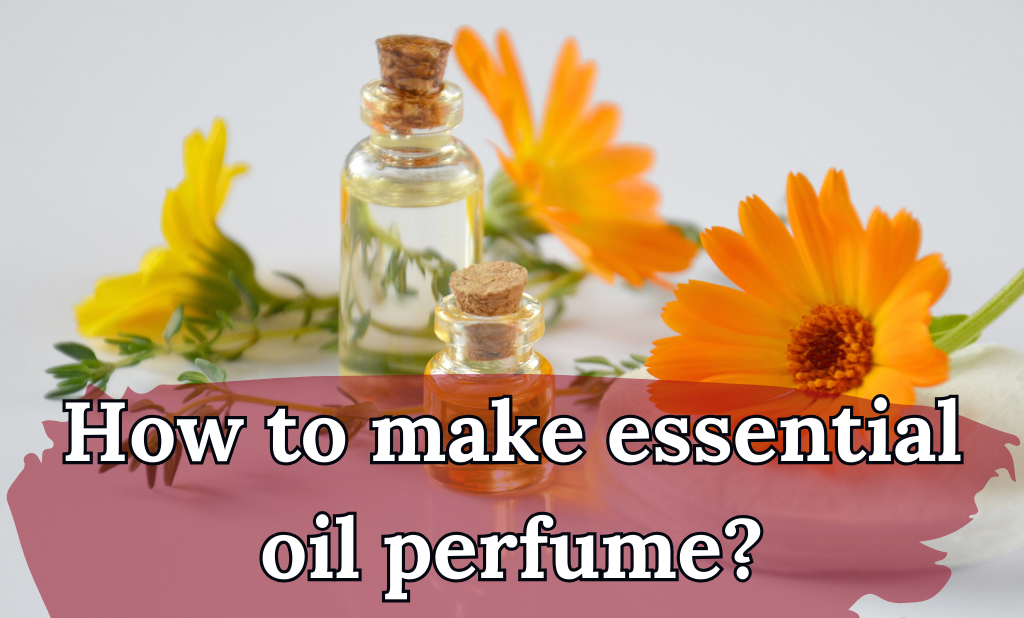
Creating your own perfume oil is a delightful journey into the world of fragrances, combining artistry and science in equal measure. Homemade perfume oils are not only unique to the individual but also free of synthetic compounds, allowing for a personal touch in every blend. Whether you are drawn to floral notes, musky aromas, or refreshing citrus zest, crafting perfume oils can be an enjoyable endeavor. In this guide, we will delve into the intricate steps necessary to create exquisite perfume oils, explore the essential components, and share tips that will elevate your perfumery skills.
1. Understanding the Basics of Fragrance Composition
Before diving into the creation process, it’s essential to grasp the olfactory pyramid, which categorizes scents into three different notes: top, middle, and base. Top notes are the initial scents that captivate the nose, often light and volatile, lasting only a short while. Middle notes, or heart notes, emerge once the top notes dissipate, forming the essence of the perfume. Lastly, base notes provide depth and longevity, anchoring the scent and enabling it to linger on skin and garments.
2. Selecting Your Ingredients
The alchemy of perfume-making starts with choosing the right ingredients. The foundation of any perfume oil is a carrier oil, which serves as a base to dilute the fragrance oils. Popular choices include:
- Jojoba Oil: A liquid wax that closely resembles the skin’s own natural sebum, jojoba oil absorbs easily and doesn’t leave a greasy residue.
- Fractionated Coconut Oil: This oil remains liquid at room temperature, ensuring a lightweight feel and a slightly sweet scent.
- Sweet Almond Oil: Known for its mild aroma, almond oil provides a nourishing touch that elevates the fragrance experience.
Next, consider the essential oils or fragrance oils that will define your scent. Essential oils derived from plants, fruits, or flowers can dramatically influence the character of your blend. Popular choices include:
- Lavender: Floral, calming, and versatile, it pairs well with many other notes.
- Citrus Oils: Such as bergamot or orange, they contribute brightness and a refreshing zing.
- Patchouli: Earthy and rich, it serves as a delicious base note in various blends.
3. The Art of Blending
Once your ingredients are assembled, the actual blending process can begin. This stage is where creativity truly shines. Start by following a basic formula, such as:
- 30% top notes
- 50% middle notes
- 20% base notes
To craft your perfume, begin with the base notes, adding them to your carrier oil. Allow a moment for the scent to settle before proceeding with the middle notes. Finally, finish with the top notes to ensure your perfume represents a well-rounded composition. Use a glass dropper for precision, and take care when measuring to maintain consistency in future batches.
4. Testing and Adjusting Your Formulation
The beauty of making your perfume oil lies in the ability to adjust your formulation according to personal preference. Remember that the fragrance may evolve over time; allowing the mixture to rest for at least 48 hours (or up to several weeks) will give you a more accurate representation of the final product. Test your blend on a perfumer’s strip or your skin to explore how it interacts with your body chemistry. Fine-tune the ratios by either tweaking individual notes or adding complementary scents.
5. Bottling and Storing Your Perfume Oil
Once satisfied with your creation, it’s time to bottle and store it. Using a dark glass bottle is crucial. Dark glass protects the perfume from sunlight, which can degrade the oils and alter the scent. Label your creation with the date and a description for easy identification. Store the bottle in a cool, dark place to enhance the longevity of your perfume oil.
6. Application Tips
To enjoy your handmade perfume oil, consider how best to apply it. Fragrance is often most impactful when applied to pulse points, such as wrists, behind the ears, and the nape of the neck. These areas emit heat, enhancing the scent’s projection and longevity. It’s also beneficial to moisturize the skin beforehand. A simple unscented lotion will help lock in the fragrance and ensure a better adherence.
7. Experimentation and Customization
As you gain confidence in your perfume oil-making skills, don’t hesitate to experiment beyond the basic formulations. Consider creating seasonal collections to reflect different moods or occasions, or explore unique combinations that resonate with your personal experiences. Knowledge of various fragrance families—citrus, floral, oriental, or woody—can inspire innovative blends that surprise and enchant.
Ultimately, making perfume oil is not only about following a recipe; it’s about expressing individuality through scent. Each bottle holds the potential for stories untold, an olfactory signature unique to its creator.
In conclusion, the experience of creating personalized perfume oils is as rewarding as it is fragrant. With the right materials, a deep understanding of fragrance composition, and a dash of creativity, anyone can embark on this aromatic adventure. By nurturing your passion and honing your technique, you will not only produce delightful scents but also cultivate memories that linger, just like the fragrances themselves.








Leave a Comment