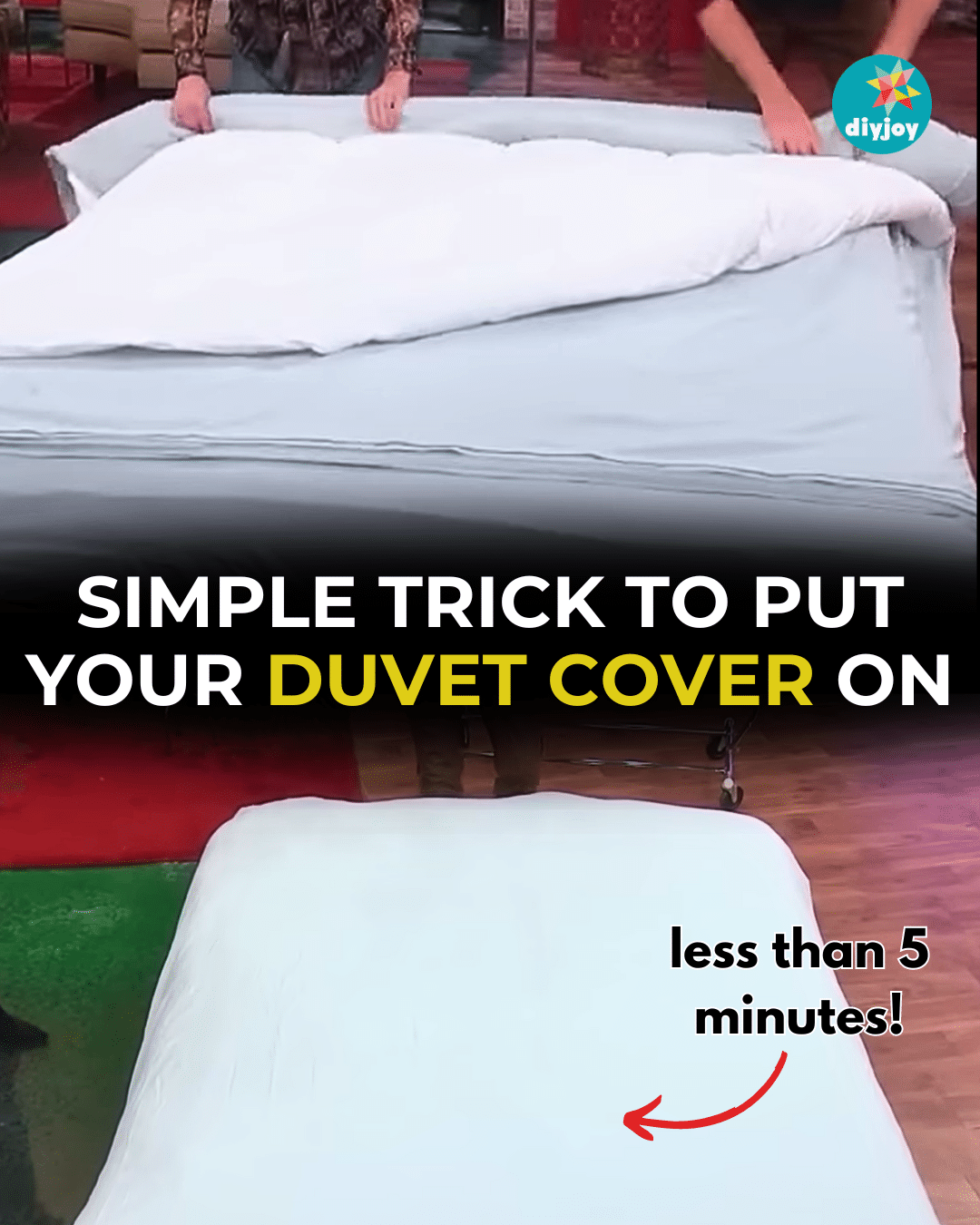
Have you ever found yourself wrestling with a duvet cover, questioning why such a simple task could feel so monumental? You’re not alone! Putting on a duvet cover can indeed present a challenge. However, with a little guidance and a sprinkle of technique, it can transform into a straightforward and even enjoyable chore. In this article, we will walk you through a comprehensive guide to donning your duvet cover adeptly, ensuring you avoid the common pitfalls that make this task feel Herculean. So, roll up your sleeves and let’s dive into the nuances!
1. Understanding Your Duvet Cover and Duvet
Before embarking on this bedding adventure, it’s crucial to familiarize yourself with the components involved. A duvet cover is essentially a protective shell that encases your duvet or comforter, keeping it clean and offering an easy way to switch up your décor. Duvets are generally fluffy and filled with down or synthetic materials, designed to provide warmth and comfort during chilly nights. Understanding the dimensions and construction of both will set the foundation for success in this endeavor.
2. Choose the Right Environment
Find a space that promotes ease and efficiency. Ideally, a spacious bed or a flat surface where there’s ample room to maneuver will serve you best. Clear away clutter that could impede your progress. Consider the temperature of the room; a warm environment can make the fabrics stick and cling, complicating the process. Opt for a well-lit area to easily gauge fabric alignment.
3. Gather Your Tools
Now that your workspace is prepped, it’s time to gather the necessary tools. At the bare minimum, you will need:
- Your duvet
- Your duvet cover
- A pair of clean, dry hands
While not essential, some people find that a pair of clips or safety pins can be handy for securing corners, especially if your duvet has a tendency to shift.
4. Aligning the Duvet Cover
With your duvet cover laid out inside out on the bed, locate the opening. This usually consists of a flap or buttons at one end. Position the duvet cover so that the opening faces away from you; this way, you can easily slide the duvet in. Tuck the edges of the duvet cover under the corners of the duvet, ensuring that the cover is centered. Achieving proper alignment at this stage is vital, as it reduces frustrating readjustments later on.
5. The Burrito Technique – A Fun Twist!
Have you ever heard of the burrito technique? This playful method could easily transform you into a duvet-covering maestro! Here’s how it works:
- Lay the duvet flat on the bed.
- Take the duvet cover, still inside out, and position it at the foot of the duvet.
- Begin to roll the duvet and cover together, starting from the foot of the bed towards the head, creating a cylindrical shape—like a burrito!
Once you have reached the top, grab the opening of the duvet cover and flip it over the rolled duvet. Smooth out the fabric, gently unfurling as you unroll it. Voilà! You are now in possession of a nearly perfectly encapsulated duvet!
6. Closing the Duvet Cover
With the duvet ensconced within its cover, it’s time to seal the deal. Carefully pull the duvet cover over the duvet’s edges and align it precisely. If your cover features buttons, ties, or a zipper, secure them diligently. If you opted for clips or safety pins, use them with care to anchor the corners and prevent slips. This step is crucial, as it keeps everything snug and prevents your duvet from slipping out during the night.
7. Finishing Touches
Now that your duvet is wrapped up tight, it’s time for the finishing touches. Give the duvet cover a brisk shake and gently fluff it to distribute even weight throughout, ensuring that it looks its best. This step not only enhances the appearance but promotes comfort while you sleep. You might also consider spritzing it lightly with your favorite linen spray, adding a refreshing touch to your newly dressed bedding.
8. Troubleshooting Common Issues
Even the most seasoned duvet-wrappers can encounter hiccups. Here are some common challenges and how to conquer them:
- Slippage: If your duvet tends to slide around, consider using duvet clips to keep it anchored.
- Bunching: Smooth out any lumps by adjusting the duvet within the cover and ensuring proper alignment at the corners.
- Static Cling: A fabric softener sheet or spray can ward off unwanted static, especially in winter.
Conclusion
By following this comprehensive guide, you’ll sail through the sometimes daunting task of putting on a duvet cover with elegance and finesse. Whether you choose the traditional approach or embrace the playful burrito technique, remember that practice makes perfect! Soon, you’ll be layering your bed like a pro, offering not just comfort but also an aesthetic flourish to your bedroom. Embrace the challenge, enjoy the process, and revel in the cozy results!










Leave a Comment