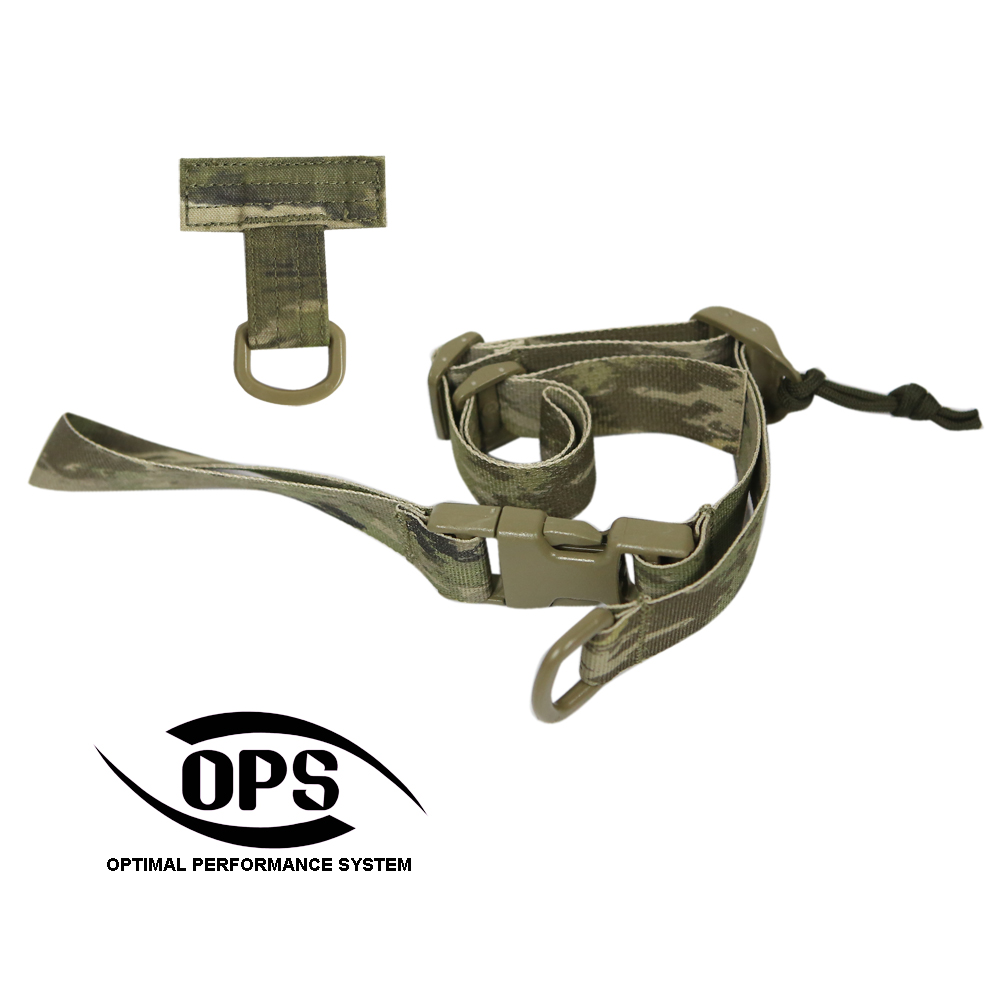
Equipping a plate carrier with a single point sling is a nuanced task that can enhance your operational efficiency and mobility. Whether engaging in tactical scenarios or honing your skills at the range, understanding the intricacies of attachment and adjustments will enable a seamless experience. This guide will meticulously unravel the process, ensuring that you can secure your sling effectively while integrating it harmoniously with your plate carrier.
Understanding the Components
Before diving into the act of attaching a single point sling, it’s essential to familiarize yourself with both the plate carrier and the sling itself. The plate carrier serves as a protective vest designed to carry armor plates, providing vital protection without sacrificing agility. Single point slings, on the other hand, are designed to attach at a single point on the rear of the body and wrap around to the front, allowing for swift transitions and easy handling of your firearm. With this foundational knowledge, let’s explore the procedural steps involved in the attachment process.
Gathering Required Materials
To achieve optimal placement, gather the following essentials:
- Single point sling
- Plate carrier
- Attachment clips or rings (if not already included with the sling)
- Adjustable straps (for customization)
- Firearm for testing fit
Choosing Attachment Points
Identifying the correct attachment point on your plate carrier is crucial. Most single point slings feature a clip or a loop designed to fasten securely to a designated area on the back. Here are common options for attachment:
- Rear D-ring: Many plate carriers come with integrated D-rings. These provide a secure and stable connection point for the single point sling, minimizing excess movement.
- Molle/Webbing: For carriers outfitted with Modular Lightweight Load-carrying Equipment (Molle), you can weave the sling end through the webbing, creating a custom fit. This method adds versatility but can complicate detachment.
- Hook-and-loop Fittings: Some modern plate carriers offer Velcro-compatible slings that easily attach and detach. This user-friendly option allows rapid adjustments on the fly.
Attaching the Sling to the Plate Carrier
Once you have pinpointed the ideal attachment point, follow these steps to affix your single point sling securely:
- Secure the Clip: Attach the sling’s clip or hook to the designated D-ring or fitting. Ensure that it is fastened firmly to prevent unintentional detachment during movement.
- Adjust the Length: To prevent excess slack, adjust the sling’s length according to your preference. The rifle should rest comfortably at waist level when not in use, yet remain easily accessible.
- Test the Fit: Before fully committing to the attachment, test the configuration by shouldering your firearm. It should position naturally, allowing for quick presentation without feeling cumbersome.
Adjusting the Sling for Optimum Performance
After securing the sling, the next step is adjusting it to ensure optimal performance. The fit of the sling should balance comfort and functionality:
- Individualization: Each operator has unique preferences. Experiment with length adjustments to determine which setting feels the most comfortable while allowing unhindered firearm manipulation.
- Testing Mobility: Conduct dynamic movements such as crouching, running, and rolling to assess if the sling interferes with your range of motion. A properly fitted sling shouldn’t restrict your actions.
Incorporating Accessories
To further enhance the utility of your weapon system, consider integrating compatible accessories. Options might include:
- Retention Devices: If concerned about dropping your weapon, additional retention systems can provide a safety net to secure your firearm.
- Quick-Release Features: Some single point slings come equipped with quick-release mechanisms, allowing for rapid detachment when necessary—an invaluable feature in fast-paced scenarios.
Maintenance and Care
Proper maintenance of both the sling and the plate carrier will prolong their lifespan and preserve functionality. Regularly inspect the attachments for signs of wear. Accidentally pulling the trigger while transitioning arms or during dynamic movements could present safety hazards; therefore, utilizing designated safety protocols remains paramount. Cleaning the webbing and clips reduces fabric degradation and maintains reliability under strenuous conditions.
Conclusion
Equipping a single point sling onto your plate carrier is not only a practical enhancement, but it is also an essential strategy for improving operational efficiency. By understanding the attachment points, adjusting for fit, and maintaining your gear, you cultivate an environment of preparedness. Whether in a professional tactical setting or engaging in recreational shooting, implementing these guidelines will ensure that your equipment performs at its best, providing you with both confidence and security.









Leave a Comment