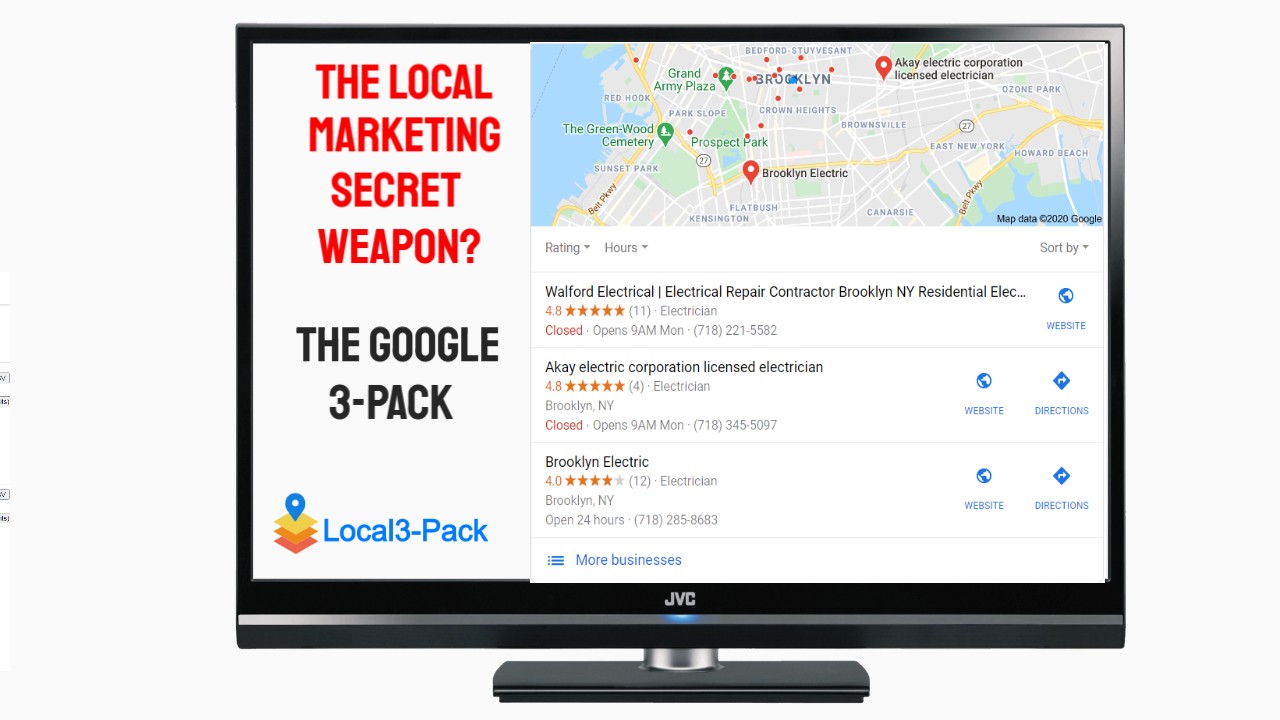
In the ever-evolving landscape of digital marketing, the quest to elevate your business’s visibility in Google local listings has never been more critical. By harnessing local SEO strategies, businesses can effectively connect with their immediate community and stand out amidst the cacophony of competitors. This guide promises not just to inform but also to shift your perspective on how to harness the full potential of local search engine optimization. Here, we will explore the multifaceted approach to achieving higher rankings in local listings.
1. Understand the Mechanics of Local SEO
To adeptly navigate local SEO, it’s crucial to comprehend the underlying mechanics. Google employs various signals to assess local relevance, including proximity, prominence, and relevance. Understanding these elements allows businesses to align their strategies with Google’s expectations, ushering organic traffic to their digital doorstep.
2. Optimize Google Business Profile
The Google Business Profile (formerly known as Google My Business) is an indispensable tool. It acts as your business’s digital storefront; hence, optimizing it is paramount. Start by ensuring that every section is meticulously filled out. Provide your business name, address, phone number, and operating hours accurately. Use high-quality images and compelling descriptions to not only attract customers but also inform Google’s algorithms about your offerings.
3. Leverage Keywords Strategically
Keywords serve as the bridge between your business and potential customers. Conduct thorough keyword research to identify terms and phrases that local customers use to find services like yours. Integrate these keywords into your website’s titles, headers, and content, ensuring a harmonious blend without compromising readability. This strategic infusion prompts Google to recognize your relevance to local searches, thereby enhancing your ranking potential.
4. Cultivate Online Reviews
Online reviews significantly influence consumer behavior and, consequently, local SEO rankings. Encourage satisfied customers to leave positive reviews on your Google Business Profile and other relevant platforms. Respond to these reviews, both good and bad, with professionalism and courtesy; this demonstrates commitment to customer service and can favorably sway potential clients.
5. Create Localized Content
Content creation is a powerful vehicle for conveying local relevance. Developing blog posts, articles, or videos that address local events, news, or culture not only engages your audience but also signals to Google your business’s connection to the community. This localization enhances your authority and relevance in search results, potentially pushing you higher in the rankings.
6. Utilize Social Media Platforms
Social media platforms are invaluable for enhancing local SEO. They not only offer a channel for customer engagement but also serve as content distributors. By sharing content that highlights your local involvement and interacting with the community, you boost your visibility and encourage engagement, which can indirectly impact your search rankings.
7. Ensure NAP Consistency
Your business’s Name, Address, and Phone Number (NAP) should remain consistent across all digital platforms. Inconsistencies create confusion for both customers and search engines. Utilize tools to audit your listings and rectify any discrepancies. This diligence reinforces your credibility and aids search engines in properly indexing your business information.
8. Engage with Local Directories and Citations
Building citations in local directories is another effective strategy for enhancing your online presence. Ensure that you are listed in relevant local directories, such as Yelp or Yellow Pages, and ensure NAP consistency across all of them. These citations enhance your credibility and serve as backlinks to your website, further elevating your local SEO rankings.
9. Implement Schema Markup
Schema markup is code that provides search engines with more context about your business. Utilizing LocalBusiness schema helps search engines understand critical information about your business, such as its location, services, and operating hours. This additional layer of meta-information can enhance your visibility in search results by enabling rich snippets, ultimately improving click-through rates.
10. Monitor Analytics and Adjust Strategies
Lastly, the significance of analytics cannot be overstated. Utilize tools such as Google Analytics and Google Search Console to monitor your website’s performance. Analyze traffic sources, user behavior, and conversion rates. This data-driven approach allows you to understand what strategies are effective and provides insights for necessary adjustments, ensuring continuous improvement in your local rankings.
In conclusion, ranking higher in Google local listings is a multifaceted endeavor that requires a keen understanding of local SEO dynamics, strategic optimization of your Google Business Profile, and the creation of quality, engaging content. By employing these strategies and remaining vigilant in your efforts, you can transform your business’s online presence and forge meaningful connections within your community. Remember, local SEO is not a one-time effort but an ongoing commitment to excellence—a pursuit that ultimately leads to enhanced visibility and growth.











Leave a Comment