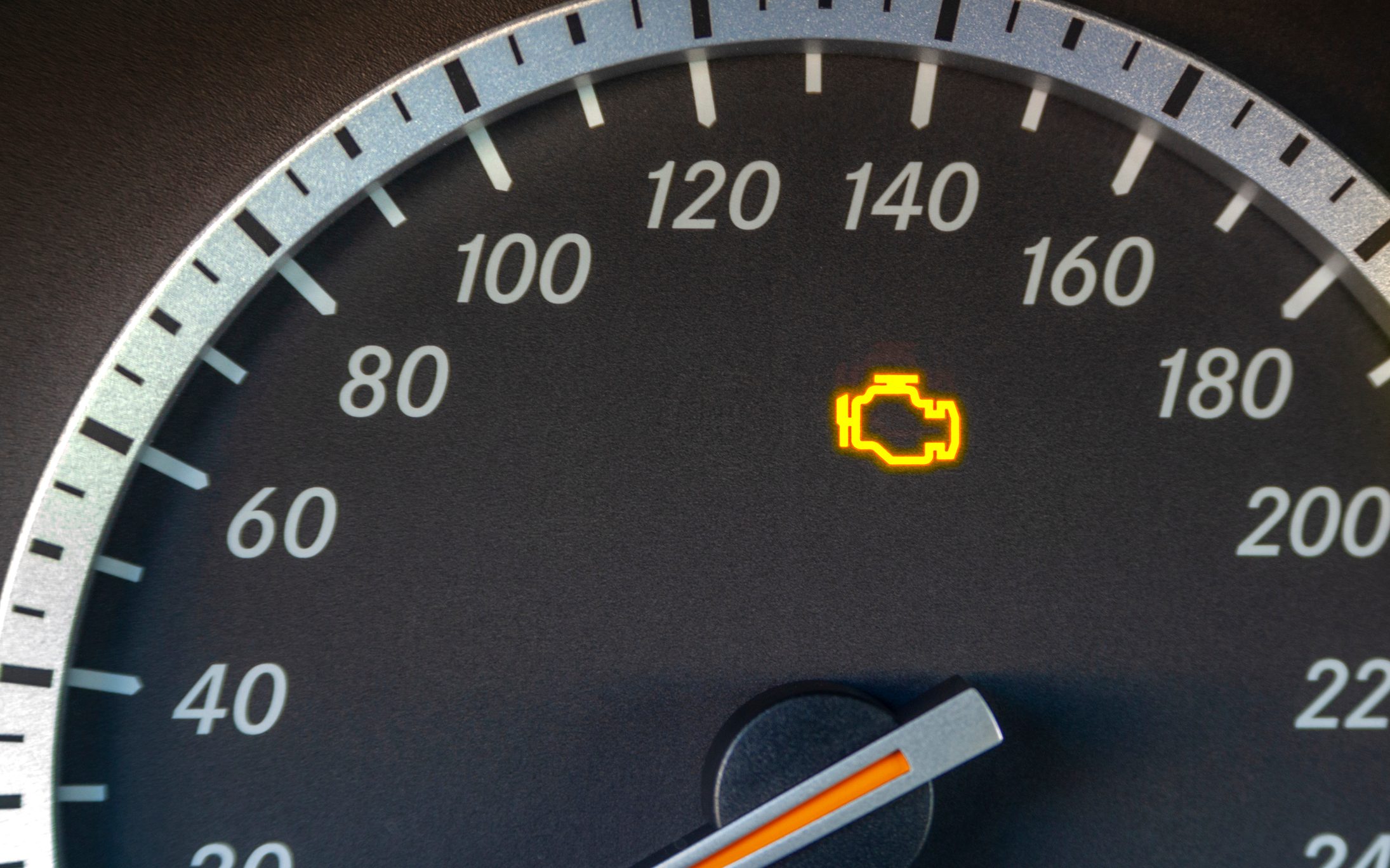
Encountering the dreaded engine light is an all-too-common experience for vehicle owners. That small, yet ominous, illumination serves as a beacon, signaling potential issues lurking within the complex machinery of your automobile. While it may seem like a minor inconvenience, understanding how to reset the engine light can unveil a world of hidden insights into your vehicle’s health and performance. In this guide, we will endeavor through the intricacies of why the engine light activates and delineate various methods to reset it effectively, providing both practical solutions and a fascinating glimpse into automotive diagnostics.
Understanding the Engine Light
The engine light, also known as the check engine light (CEL), is an integral component of your vehicle’s onboard diagnostics system (OBD-II). When your car’s onboard computer detects irregularities with a crucial system—such as the engine, transmission, or emissions control—this light triggers. However, the reasons for its illumination are not always dire. From a loose gas cap to complex engine malfunctions, the spectrum of possible issues is broad. Each flicker of the light invites contemplation about the symbiotic relationship between man and machine, revealing the layers of technology that underpin modern transportation.
Common Reasons for the Engine Light Activation
- Loose or Damaged Gas Cap: One of the most innocuous explanations for an illuminated engine light is a loose or damaged gas cap. This condition can allow fuel vapors to escape, triggering the alert.
- Faulty Oxygen Sensors: These sensors monitor the level of oxygen in the exhaust gases, helping to optimize fuel combustion. A malfunction can send erroneous data to the engine control unit, illuminating the light.
- Catalytic Converter Issues: The catalytic converter plays a crucial role in converting harmful emissions. When it falters, the engine light often illuminates as a warning of potential environmental concerns.
- Worn Spark Plugs: Deteriorated spark plugs can hinder engine performance and fuel efficiency, prompting the check engine light to signal impending issues.
- Transmission Problems: Complications within the vehicle’s transmission can drastically affect performance and trigger the CEL as a warning sign.
Each of these triggers is but a window into the multi-faceted world of automotive care—an invitation for vehicle owners to delve deeper into understanding their machines.
Methods to Reset the Engine Light
Once you have addressed the underlying issue, the next logical step is to reset the engine light. There are several methods available, each applicable depending on your comfort level and tools at hand.
1. Manual Reset using the Ignition
This method involves a straightforward procedure that requires no specialized tools. Follow these steps carefully:
- Turn the ignition key to the “On” position without starting the engine.
- Press the gas pedal fully down three times within five seconds.
- Turn the ignition back to the “Off” position.
- Start the vehicle, and the engine light should be extinguished if the issue has been resolved.
Many vehicle models endorse this method, though check your owner’s manual for specific instructions relevant to your make and model.
2. Using an OBD-II Scanner
An OBD-II scanner is an indispensable tool for the modern car owner. This device not only allows for resetting the engine light but also provides invaluable diagnostic information. Here’s how to utilize it:
- Plug the OBD-II scanner into the vehicle’s OBD-II port, typically located under the dashboard.
- Turn on the ignition. Do not start the engine.
- Follow the prompts on the scanner to read the trouble codes.
- Once you have noted the codes, navigate to the “Clear Codes” or “Reset” option on the scanner.
- Turn off the ignition, disconnect the scanner, and start the vehicle to verify if the light has turned off.
Utilization of an OBD-II scanner not only empowers you to reset the engine light but also arms you with knowledge regarding your vehicle’s health.
3. Disconnecting the Battery
A more rudimentary method for resetting the engine light involves disconnecting the battery, albeit with some caveats. This process erases all stored trouble codes and may reset other electronic systems.
- Ensure the vehicle is turned off and parked on a level surface.
- Open the hood and locate the battery.
- Using a wrench, disconnect the negative terminal first. Wait for approximately 15 minutes.
- Reconnect the negative terminal and ensure it is tightened.
- Start the vehicle and check if the engine light is off.
While effective, be mindful that this method could potentially erase other settings stored within the vehicle’s system.
Conclusion
Resetting the engine light is more than mere mechanics; it’s a pathway to understanding the complexities of your vehicle. Addressing the root causes behind its activation fosters a sense of responsibility and curiosity about the intricacies of automotive technology. Whether you choose to execute a manual reset, employ an OBD-II scanner, or utilize the battery-disconnection method, you engage with the profound layers of knowledge that define vehicular ownership. Each step you take enhances your connection to your vehicle and fortifies your expertise as an informed driver. In essence, the engine light serves not only as a warning but also as an invitation to explore and deepen the bond you share with your automobile.











Leave a Comment