In the world of automobiles, the Tire Pressure Monitoring System (TPMS) serves as a vigilant sentinel, tirelessly ensuring that the air pressure in your tires remains at optimal levels. Like an unsung hero, it offers you a subtle whisper of caution whenever the pressure wavers, reminding you that safety is paramount on the open road. However, there are times when this reliable companion may need a bit of recalibrating, akin to a compass needing a reset after being jostled. Herein lies the art of resetting your TPMS, a task not merely technical but essential for your vehicle’s well-being.
Understanding the Need for Resetting TPMS
Before diving into the meticulous steps of resetting the TPMS, it is vital to comprehend the rationale behind this procedure. Over time, tires naturally lose air, a phenomenon not unlike the gradual evaporation of water from a shallow pond. Consequently, the TPMS activates, alerting the driver with a warning light. Yet, after rectifying tire pressures or replacing tires, the system may not automatically recalibrate. Herein lies your purpose: to reestablish equilibrium in a delicate ecosystem.
Step-by-Step Guide to Resetting TPMS
1. Gather Necessary Tools
Before embarking on your TPMS resetting journey, gather the tools akin to an artist collecting paintbrushes. The essentials include:
- A functioning tire pressure gauge
- A portable air compressor or access to an air source
- Your vehicle’s owner’s manual
- A tire inflator (optional)
These tools will be your allies in achieving the desired outcome.
2. Check and Adjust Tire Pressure
Envision this step as nurturing a garden to ensure its flourishing. Begin by examining each tire to ascertain that the pressure aligns with the manufacturer’s specifications, typically found on a sticker inside the driver’s door. If discrepancies arise, invoke your air compressor to inflate the tires to the appropriate levels. Should any tire be overinflated, gently let out some air until equilibrium is restored.
3. Initiate the Reset Process
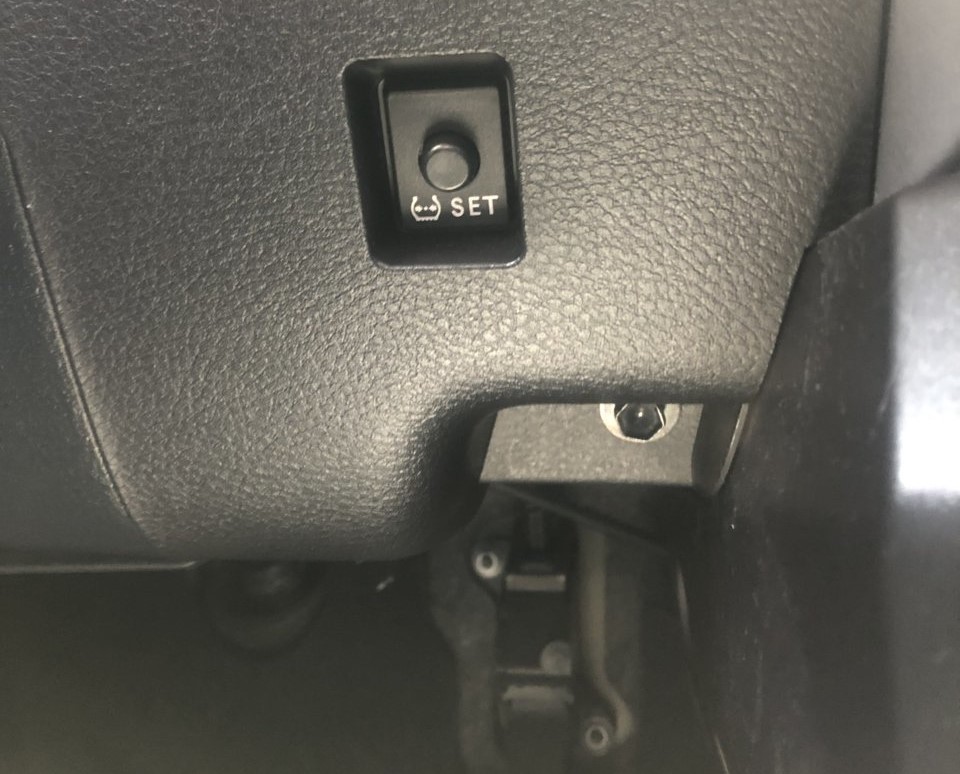
With your tires adequately nourished in air, it’s time to engage in the reset ritual. Most vehicles offer this functionality via a dedicated button located beneath the steering wheel or on the dashboard. Here’s how you can embark on this ritual:
- Turn on the ignition without starting the engine.
- Locate the TPMS reset button—its existence may be veiled, requiring a bit of exploration.
- Hold the button until the TPMS light blinks three times before stable illumination.
Let this moment be your turning point, a moment when harmony is reinstated.
4. Drive the Vehicle
Now, allow the vehicle to take a short journey—an odyssey to affirm your efforts. For around 10-15 minutes, drive at a speed exceeding 50 mph. This act serves as a pilgrimage for the TPMS, allowing it to recalibrate based on the new tire pressures. The system’s sensors will awaken from their stupor and recognize the newfound balance you’ve orchestrated.
5. Confirmation of the Reset
Upon returning from your voyage, inspect the instrument panel closely. The TPMS warning light should have extinguished, leaving behind a sense of accomplishment. Should the light persist as a stubborn ghost, it may be an indicator of a deeper issue, such as a malfunctioning sensor or a low battery within the tire monitor.
6. Seek Professional Assistance If Necessary
If the problem remains unresolved, it’s time to enlist the expertise of a professional. Like a wise sage of the automotive realm, a mechanic is adept at diagnosing ailments that may elude a layperson’s grasp. Trust their guidance, for they are equipped with the tools and knowledge to ensure your TPMS is functioning optimally.
The Importance of Regular Maintenance
Consider the maintenance of your TPMS as vital as keeping your garden weed-free. Regularly inspect tire pressures, even when the warning light is absent. Performing these checks preemptively not only prolongs tire life but also enhances fuel efficiency—a harmonious cycle that benefits both your wallet and the environment.
Conclusion
Resetting your TPMS may seem like a mere mechanical task, yet it embodies a deeper philosophy of care for one’s vehicle. By attending to this vital component, you are engaging in a thoughtful dance of vigilance and responsibility, ensuring safety on your travels. Just as a seasoned gardener tends to their plants, so too must you nurture your vehicle’s needs, allowing the wheels of adventure to spin freely on the road ahead. Your automobile, like a steadfast companion, will reward you with reliability and reassurance as you navigate the twists and turns of life.










Leave a Comment