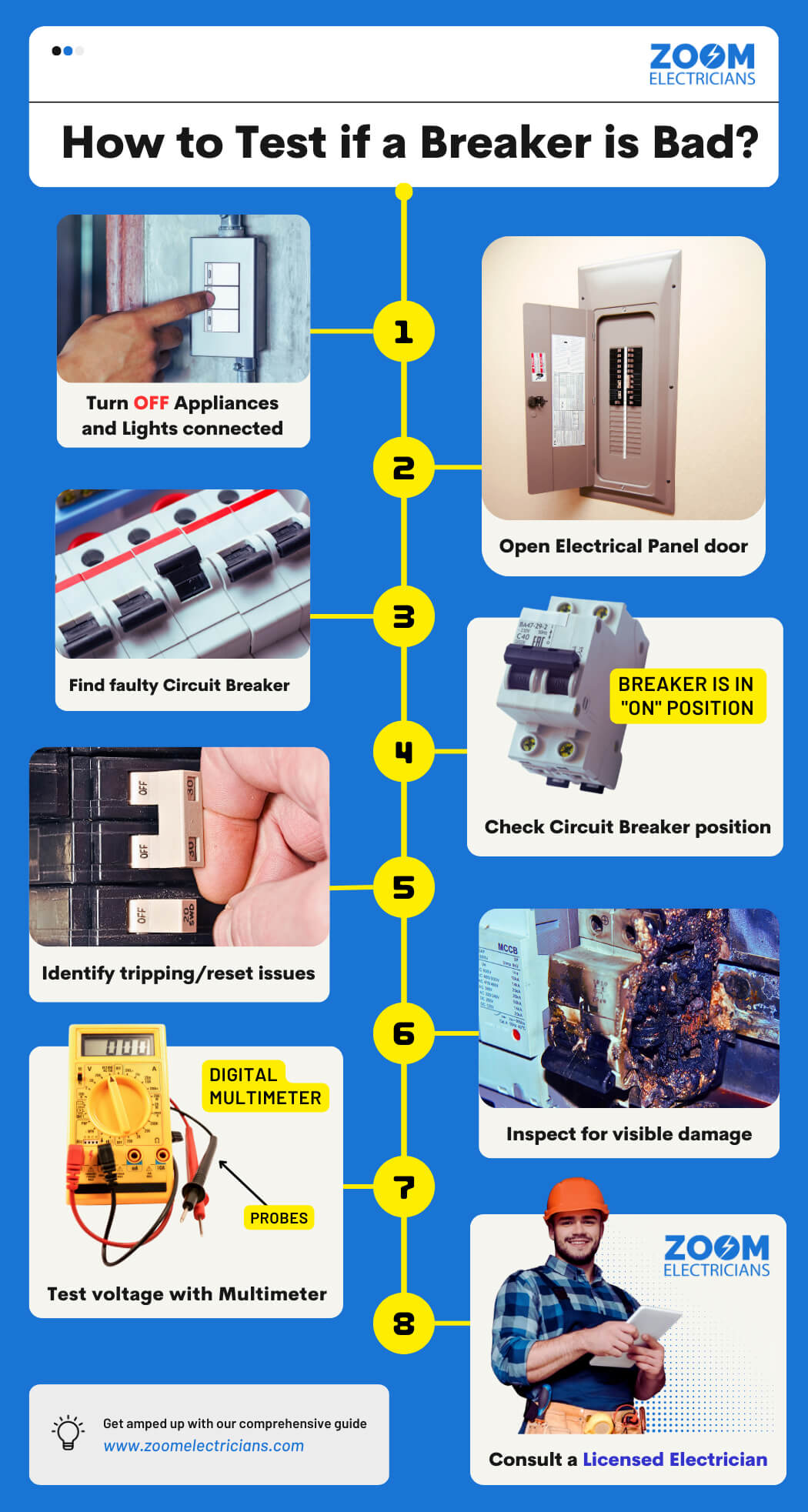
When it comes to maintaining the safety and efficiency of your electrical systems, a circuit breaker plays a pivotal role. The device acts as a sentinel, shutting off power during an overload, thus preventing potential hazards such as electrical fires and equipment damage. However, several indicators suggest that your circuit breaker may be compromised. Understanding these signs can not only ensure your safety but also enhance the longevity of your electrical appliances.
1. Frequent Tripping
If your circuit breaker trips regularly, this is often the most conspicuous sign of a problem. While it is normal for breakers to trip occasionally, especially when overloaded, consistent tripping may indicate a deeper issue. Possible causes could range from circuit overloads to defective breakers. To discern this further, monitor the specific appliances causing the trip. This observation could lead to a more definitive diagnosis, perhaps necessitating an upgrade of your electrical system or a replacement of the breaker itself.
2. Discoloration or Burn Marks
Visual inspections can yield substantial information. Carefully examine your circuit breaker for any scorch marks, discoloration, or melting plastic. These signs are indicative of overheating, which could stem from loose connections or an aging breaker. Ignoring these subtle hints can lead to catastrophic failures. If discoloration is evident, it is prudent to consult a licensed electrician to investigate and remedy the situation.
3. Unusual Noises
Another understated indicator of a failing circuit breaker is unusual auditory signals. A breaker should operate relatively silently, except for the low-clicking sound when it trips. If you hear buzzing, crackling, or hissing noises emanating from the breaker panel, it may be signifying an electrical fault or an internal malfunction. These sounds can often elicit alarm, so timely investigation is essential to prevent further complications.
4. Physical Damage
Given that circuit breakers inhabit a busy environment, they can be susceptible to damages that might go unnoticed. Inspect the entire panel for signs of wear, such as cracks or physical displacement of the breaker itself. Physical damage may suggest that an internal component is defective, leading to malfunction. In these instances, immediate replacement is often the safest recourse.
5. Inconsistent Power Supply
Another troubling sign of circuit breaker failure is inconsistent power supply. If certain outlets exhibit sporadic functionality—sometimes providing power, sometimes not—it may reflect a fault within the circuit breaker. This inconsistency can not only be frustrating but also indicative of potential risks to connected devices. Examine the circuit and its connections, and if issues persist, consider the breaker’s condition and efficacy.
6. Age of the Breaker
The lifespan of a circuit breaker typically ranges from 20 to 30 years. If yours is approaching or exceeding this threshold, it may be time to reassess its functionality. Older breakers are more prone to failure due to wear and tear, decreased performance, and advancements in electrical demands. Even if your breaker appears to be functioning, its age alone warrants consideration for replacement.
7. Heat Generation
Feeling the temperature of your circuit breaker can provide insights into its condition. If a breaker is excessively warm to the touch, it can indicate an internal fault or an overload situation. Breakers should remain at a comfortable temperature, so heat generation may be an early warning sign that a malfunction is imminent. This symptom should not be overlooked, as it can lead to fires if left unchecked.
8. Circuit Breaker Qualities
Modern advancements in technology have allowed for the introduction of smarter circuit breakers, which can provide indicators of their health and performance. Some advanced models come equipped with diagnostic features that alert homeowners to potential issues before they become critical. Investing in such equipment can offer peace of mind and add an additional layer of protection to your electrical system.
9. Professional Inspection
When in doubt, consulting a professional electrician yields great dividends. They possess the knowledge, skills, and tools to evaluate the circuit breaker’s condition comprehensively. Many issues can be diagnosed through specialized testing equipment, which homeowners may not readily possess. A licensed technician can also provide insights on whether repairs or replacements will be more beneficial for your long-term safety and convenience.
10. Understanding Underlying Causes
Moreover, understanding the underlying causes of circuit breaker issues serves to illuminate the broader context of electrical health. Overloaded circuits, faulty wiring, and improperly sized breakers are all factors that contribute to breaker malfunctions. Homeowners can take proactive steps to mitigate these concerns by adhering to electrical best practices, such as avoiding overloading circuits and regularly inspecting wiring.
In conclusion, knowing how to discern the signs of a compromised circuit breaker is paramount for anyone invested in preserving their dwelling’s safety and operational efficiency. By being vigilant and proactive about circuit conditions, you enhance not only the functionality of your electrical system but also the safety of your home and family. Should any of these signs arise, taking decisive action—whether through inspection, replacement, or consultation—is essential. After all, the stakes are higher than mere inconvenience; they encompass the very foundation of safety within your space.








Leave a Comment