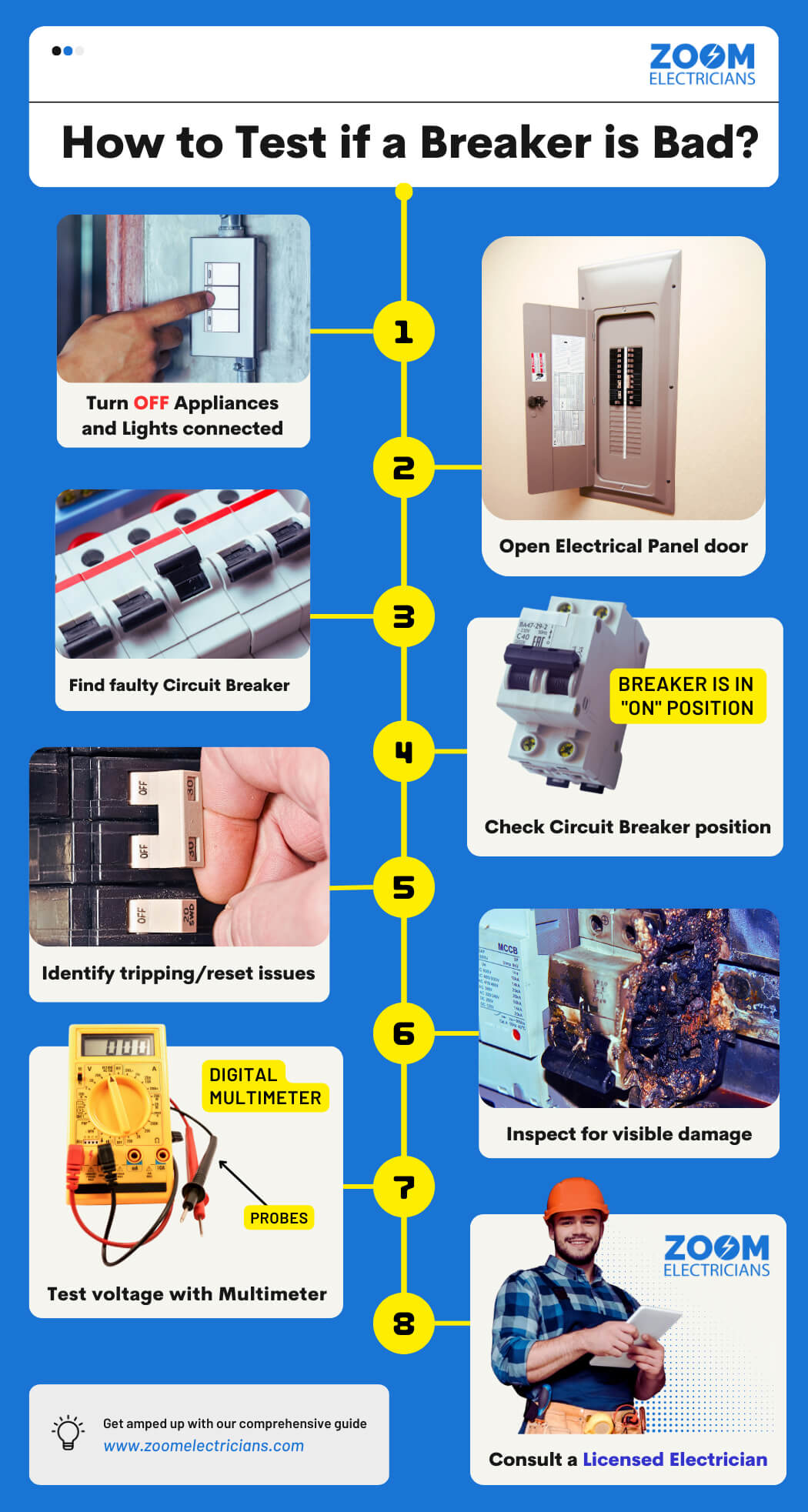
In the realm of household electrical systems, few components have such a crucial role as the circuit breaker. But have you ever been confronted by the intriguing question: “How can one discern if a circuit breaker is bad?” Understanding this can not only save you time and frustration but also ensure the safety of your home. The challenge lies in differentiating between a simple nuisance and a serious issue. So, without further ado, let’s embark on a detailed exploration of the indicators and symptoms signifying a malfunctioning circuit breaker.
1. Understanding the Basics of Circuit Breakers
Before delving into the signs of a failing circuit breaker, it’s essential to grasp the underlying mechanics of this pivotal electrical device. Circuit breakers serve as the guardians of your electrical system, designed to interrupt the flow of electricity when a fault occurs. This protective function prevents overheating, potential fires, and damage to connected devices. Familiarizing yourself with its operation will provide context for assessing its health.
2. Signs of a Bad Circuit Breaker
a. Frequent Tripping
One primary indicator of a faulty circuit breaker is its proclivity to trip frequently. While a circuit breaker may trip once in a while as a protective measure against overloads or short circuits, an excessive amount of tripping can signal deeper issues. Consider this: if your lights flicker at odd intervals or power is lost repeatedly after resetting the breaker, it may be an unambiguous warning of a malfunction.
b. Physical Damage
A visual inspection can unveil a plethora of clues. Look for any signs of physical damage, such as burn marks, blackened areas, or melted plastic on the breaker itself. These signs indicate an excessive build-up of heat and may point to a potentially hazardous situation. The presence of discolored components should not be taken lightly.
c. Unusual Sounds
Next, let your ears be your guide. If you hear strange sounds emanating from your circuit breaker, such as sizzling, popping, or buzzing, it could signify a serious malfunction. Circuit breakers are not meant to produce noise – they should operate quietly and unobtrusively. If they begin to sound alarm bells, it’s time to investigate.
d. Warm to the Touch
Performing a tactile examination can also provide insights into the health of a circuit breaker. If you find the breaker warm to the touch or excessively hot, it may indicate that the mechanism is under stress or failing. A properly functioning breaker should remain cool during operation, and any heat signifies a departure from normalcy.
e. Inconsistent Power Supply
If you’re experiencing fluctuations in your electrical supply, such as dimming or flickering lights, this inconsistency could stem from a compromised circuit breaker. It may not be able to maintain a steady flow of electricity, which can lead to further issues with your electrical devices and appliances.
3. The Impact of Age
Circuit breakers aren’t immortal; they have a lifespan, typically ranging between 15 to 20 years. If your circuit breaker is nearing or has surpassed this age bracket, it’s prudent to have it assessed, regardless of its performance. Components can degrade over time, and age-induced wear can lead to inefficiencies and increased safety hazards. If you find yours is aging, it may be time for a replacement.
4. The Importance of Professional Inspection
While a homeowner can perform visual checks, conducting a detailed inspection or replacement of a circuit breaker involves inherent risks. Engaging a qualified electrician can be invaluable. They possess not only the expertise to accurately diagnose the issue but also the experience to mitigate potential dangers. A professional can provide insight into whether the breaker needs replacement or if the wiring or load distribution requires adjustment.
5. Safety Precautions Before Inspection
If you choose to investigate the circuit breaker yourself, ensure you adhere to rigorous safety precautions. Start by turning off all electrical appliances connected to the affected circuit. Wear insulated gloves and avoid conductive tools which could inadvertently create hazards. Always bear in mind that safety is paramount; there is no rush to diagnose a problem recklessly.
6. Conclusion: An Electrifying Endeavor!
In conclusion, understanding how to identify a failing circuit breaker can mitigate potential risks and enhance the efficiency of your home’s electrical system. From noting frequent tripping and strange noises to visual inspections for damage, each indicator serves as a vital clue in this electrifying endeavor. Remember that when in doubt, consulting a professional can transform a perplexing problem into an informed solution. In the intricate dance of circuits and currents, stay alert, stay safe, and keep those electronic dreams alive!









Leave a Comment