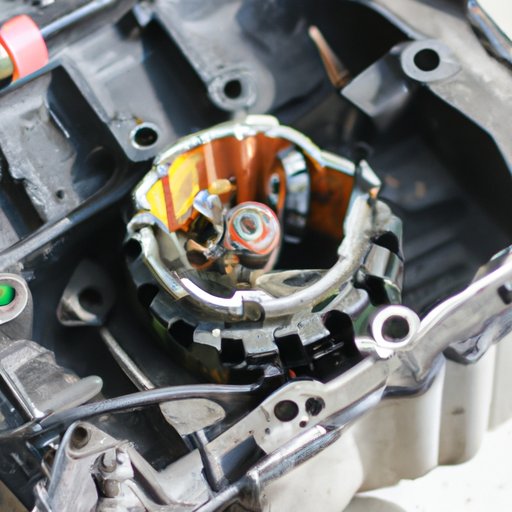
Have you ever found yourself in the unfortunate situation of turning the key in the ignition, only to hear that dreaded click instead of the sweet purr of a starting engine? This moment can send shivers down any car owner’s spine, posing a rather poignant question: could your starter be the culprit? Understanding the telltale signs of a failing starter can save you time, money, and stress. Let’s explore the various indicators that suggest your starter is on the fritz, along with potential remedies and preventative measures.
1. The Reluctant Rotational Symphony
One of the first symptoms to be vigilant about is the behavior of the car when attempting to start it. If you turn the key and hear a sluggish, labored cranking sound or simply a clicking noise, your starter may very well be struggling. This auditory feedback signals that the starter motor is either not receiving enough power or is mechanically faltering. Each click can feel like a mini-defeat, yet it’s a sign that it’s time to assess the situation.
2. The Silent Suffering
What about those moments of eerie silence? If, upon turning the key, you’re met with a complete absence of sound, it’s worth investigating further. A non-responsive starter can be indicative of electrical issues, such as a blown fuse or a faulty ignition switch. Before diving into the depths of the starter itself, check these components as they often present a simpler solution.
3. Dim or Dimming Dash Lights
Another critical sign is the condition of your dashboard lights while starting. If the lights flicker or weaken when attempting to start the vehicle, it indicates that your battery may be failing to deliver adequate power. In this scenario, the starter’s reliance on the battery’s voltage can be directly correlated with its performance. Ensuring that your battery is in optimal health should be the first step before attributing the fault to the starter itself.
4. The Flickering Lights Conundrum
Have you ever noticed that your headlights flicker or dim when you try to start your engine? This phenomenon can occur due to various electrical issues, and while it doesn’t always pinpoint a bad starter, it certainly warrants your attention. Investigate battery terminals and connections; corrosion or loose wires can as easily mimic the signs of a failing starter. Rectifying these common issues can oftentimes breathe new life into your vehicle’s starting system.
5. Uncommon Odors
Have you detected a burnt smell or an unusual acrid scent emanating from the engine bay post-attempted start? The scenario is all too real—a failing starter can overheat internal components, leading to significant damage and giving off telltale odors. It’s essential to act promptly in this situation, as ignoring these signs can lead to catastrophic mechanical failure and a hefty repair bill.
6. Intermittent Functionality
Another sign lies in the intermittent functionality of the starter. Does your car sometimes start seamlessly while at other times it feels as if it’s playing a cruel joke? An erratic starter can be an absolute conundrum, often requiring meticulous troubleshooting. This inconsistency could derive from a variety of other issues, including loose wiring or a faulty relay, both of which can affect the starter’s operational continuity.
7. The Power Drain Dilemma
If you find yourself needing to jump-start your vehicle more than usual, it may not solely be a battery problem. While a failing starter can put a demanding load on the battery, it can also create a power drain that eventually leads to a dead battery. Performing a load test on the starter can help determine if it’s operating efficiently or if it’s time to explore replacements.
8. Testing Your Luck
Once you’ve considered the various signs, it’s prudent to perform a series of tests to isolate the issue. A multimeter can be an invaluable tool. Test the voltage at the starter while someone turns the ignition key; it should read at least 12 volts. If it falls short, focus on the electrical paths leading to the starter rather than the starter itself.
9. The Replacement Revelation
In the unfortunate circumstance that you determine the starter is indeed the root of your troubles, replacement may be your best recourse. This task requires a combination of finesse and judgment, particularly in removing and replacing the component without jeopardizing surrounding parts. Consulting a detailed repair manual can provide invaluable guidance, especially for more complex makes and models.
10. Prevention is Key
Lastly, to evade the tribulations associated with starter failure in the future, regular maintenance is paramount. Periodically inspect your battery, clean connections, and be cognizant of any warning signs to intervene early. Simple preventative measures can extend the lifespan not just of your starter, but your entire ignition system.
In conclusion, understanding how to assess the health of your starter can literally steer you clear of automotive dilemmas. While some signs are glaringly obvious, others may require a discerning eye and a bit of diagnostic prowess. By staying informed, you can navigate the nuanced world of auto maintenance, ensuring that your vehicle remains a reliable partner on the road ahead. So, the next time you turn the key, listen closely—your starter has stories to tell!







Leave a Comment