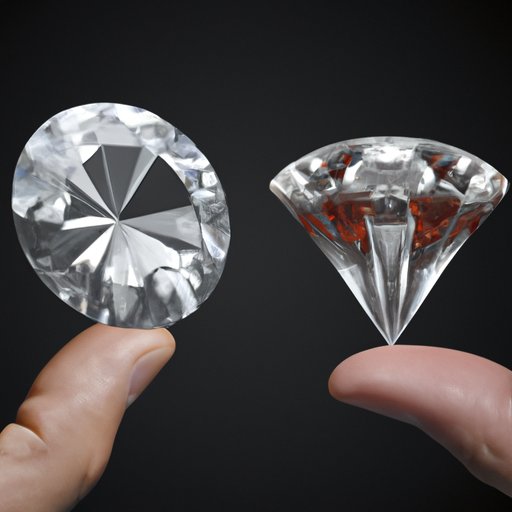
Determining the authenticity of a diamond can be a perplexing endeavor, especially in today’s market where imitation stones can be remarkably convincing. Whether you’re considering a purchase or inheriting a family heirloom, understanding how to distinguish between a genuine diamond and a simulant is essential. This article delves into various methods and considerations that will equip you with the knowledge to evaluate the authenticity of a diamond effectively.
1. Examine the Sparkle and Brilliance
One of the most apparent indicators of a diamond’s authenticity lies in its scintillation—the play of light across its facets. A genuine diamond displays a compelling brilliance that results from its unique ability to refract light. When a diamond is viewed through a twirling motion, it should exhibit vibrant flashes of white and colored light in an arresting, multifaceted dance. In contrast, imitations, such as cubic zirconia, tend to reflect light in a more uniform, less dynamic manner, often resulting in a “disco-ball” effect.
2. Clarity and Inclusions
Natural diamonds usually harbor unique inclusions, or internal flaws, that enhance their individuality. Using a jeweler’s loupe, inspect the diamond closely. Real diamonds often contain small imperfections—such as tiny carbon spots or feathery lines—known as ‘blemishes.’ Alternatively, flawless-looking stones are often signs of synthetic or simulated diamonds. Remember: the adage “not a single flaw” often suggests a fake.
3. The Water Test
This simple experiment can yield revealing results. Begin by filling a glass with water and gently dropping the diamond into it. Genuine diamonds possess a high density and will sink to the bottom. Fake diamonds, particularly those made of less dense materials, may either float or fail to sink quickly. Although not the most foolproof method, it can offer a quick preliminary assessment.
4. The Fog Test
Another intriguing way to discern authenticity is through the fog test. Breathe on the diamond as if fogging a mirror. A real diamond will disperse heat quickly; hence, the fog will dissipate almost instantly. Conversely, a faux diamond will retain the fog for several seconds or longer due to its insulating properties. This test helps differentiate authentic diamonds from materials like glass, which have lesser thermal conductivity.
5. The Scratch Test
Although this method comes with risks, diamonds are renowned for their unparalleled hardness. If you possess the courage, attempt to scratch a piece of glass with the diamond. A genuine diamond will effortlessly scratch glass without sustaining any damage. However, this method should be approached with caution since you risk damaging your stone if it is indeed a diamond.
6. Compatibility with Light
A diamond’s interaction with light is another critical aspect of its authenticity. Ensure you view the stone under multiple lighting conditions, including natural daylight and artificial sources. Authentic diamonds exude a unique quality known as “fire,” where they project spectral colors when illuminated. Simulants like moissanite may also exhibit a colored sparkle but often seem less vibrant than a true diamond’s display in various lights.
7. Inspect the Setting
While it is crucial to evaluate the diamond itself, do not overlook the setting. A reputable jeweler will generally set a genuine diamond in high-quality metal, such as gold or platinum. If the setting seems flimsy or appears to be made of low-quality materials, this could be indicative of an imitation stone. Additionally, hallmarks or stamps on the setting can provide further credibility regarding the nature of the diamond.
8. Use a Diamond Tester
If you readily access tools, a diamond tester can be a worthwhile investment. These devices measure thermal conductivity to differentiate between diamonds and simulants accurately. The instrument itself typically has a straightforward operation, providing definitive results rather quickly. When employing a diamond tester, ensure that you follow the manufacturer’s instructions closely for the best outcomes.
9. Professional Appraisal
When in doubt, seeking the expertise of a certified gemologist or jeweler can save you from costly mistakes. Professionals possess specialized tools and training to assess diamonds’ authenticity with precision. They can also provide valuable insight into the diamond’s grade and value, further enhancing your understanding and confidence in your purchase.
10. Certificate of Authenticity
Consider purchasing certified diamonds. Authentic diamonds often come with a grading report from a reputable organization, such as the Gemological Institute of America (GIA) or the American Gem Society (AGS). These certificates contain crucial details about the diamond’s characteristics, including cut, clarity, color, and carat weight, giving you peace of mind concerning its authenticity.
Conclusion
In the art of discerning a genuine diamond from an imitation, knowledge and an observant eye are your staunchest allies. By employing a combination of the aforementioned methods and seeking professional advice when needed, you empower yourself to make informed decisions in the ever-evolving world of diamonds. Whether you’re purchasing, gifting, or appreciating a stunning piece of jewelry, the thrill of knowing its authenticity can enhance the emotional experience associated with this timeless gemstone.








Leave a Comment