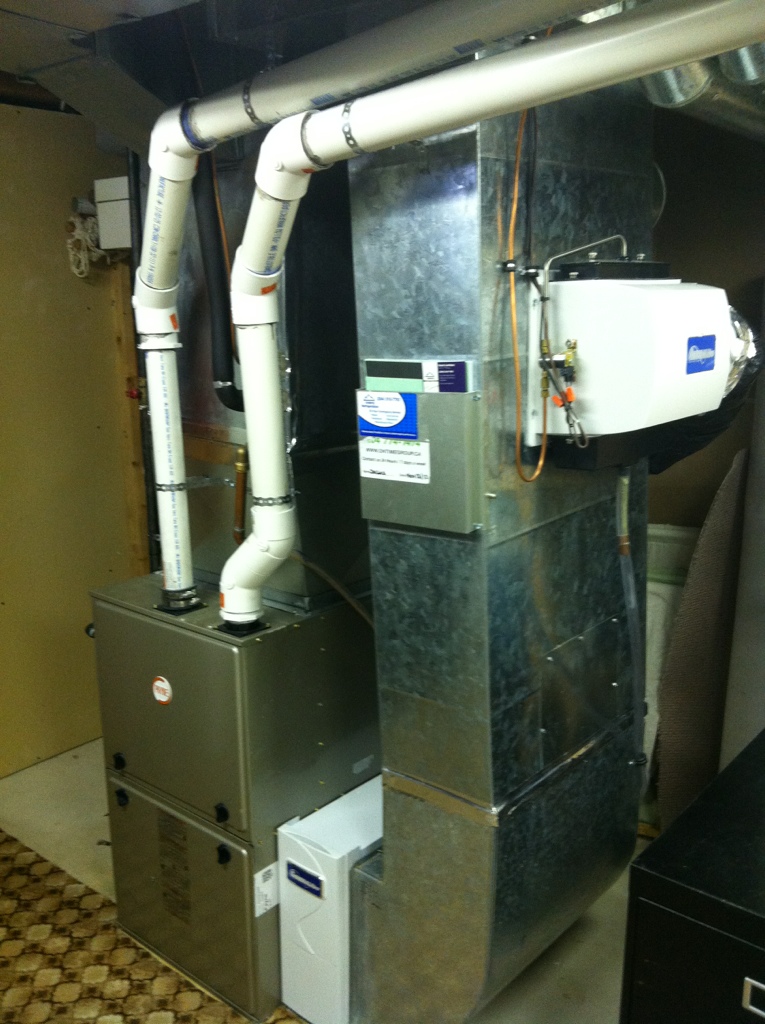
As the chill of winter descends upon us, a common dilemma arises: how can we maintain the delicate balance of comfort within our homes? Have you ever thought about the role a humidifier on the furnace could play in this equation? While many individuals may flock to standalone humidifiers, furnace-mounted models can lead to a transformative indoor climate. However, is this solution as ideal as it seems? Here, we delve into the intricacies of incorporating a humidifier onto your furnace, unearthing both its potentials and challenges.
Understanding Humidity and Its Importance
Humidity refers to the amount of water vapor present in the air. In most cases, the ideal indoor humidity level hovers between 30% and 50%. When humidity levels drop too low—common during the cold months—it can lead to a range of discomforts, including dry skin, static electricity, and aggravated respiratory issues. A humidifier serves as a guardian against these maladies, but the type of humidifier you choose can significantly influence its efficacy.
What is a Furnace-Mounted Humidifier?
A furnace-mounted humidifier, often referred to as a whole-house humidifier, is a device installed directly into your heating system. It works in concert with your furnace, delivering moisture to the air as it heats your home. This integration ensures that every room is uniformly humidified, creating a cozy sanctuary as the frost settles outside.
Types of Furnace-Mounted Humidifiers
Furnace-mounted humidifiers can be divided into three primary types:
- Bypass Humidifiers: These operate by diverting a portion of warm air through a water panel, allowing moisture to evaporate before being sent back into the duct system. They capitalize on your existing airflow, making them energy-efficient.
- Fan-Powered Humidifiers: These units add a fan that actively blows air over the water panel, increasing the rate of evaporation. They are particularly effective in larger homes where airflow may not be adequate with bypass models.
- Steam Humidifiers: The most advanced type, steam humidifiers, boil water to create steam, releasing it into the air. While they typically carry a higher price tag, their ability to deliver precise moisture levels makes them an attractive option for those seeking ultimate control.
Benefits of a Furnace-Mounted Humidifier
Opting for a furnace-mounted humidifier presents a myriad of advantages:
- Whole-House Coverage: Unlike portable humidifiers confined to a single room, a furnace-mounted unit humidifies the entirety of your living space.
- Energy Efficiency: By integrating with your heating system, these units can potentially reduce your electricity bill by allowing you to set your thermostat a few degrees lower without sacrificing comfort.
- Maintenance Minimization: With a single unit covering the entire home, the maintenance and monitoring required is typically less burdensome compared to multiple portable units.
- Health Advantages: Maintaining optimal humidity levels can help alleviate respiratory ailments, reduce allergens in the air, and promote overall well-being.
Considerations Before Installation
Yet, before you rush to install a furnace-mounted humidifier, consider some critical points:
- Cost: Initial expenditures can be significant. Installation costs vary based on your existing system and the type of humidifier. Evaluate your budget carefully to ensure it aligns with your financial capabilities.
- Water Quality: The quality of water flowing through the humidifier can affect its operation. Hard water, replete with minerals, can lead to buildup and reduce the longevity of the device. Installing a water softener may become necessary in such cases.
- Humidity Levels: The performance of a humidifier is contingent on factors such as outside temperature and home insulation. In extreme climates, achieving the desired humidity levels may require more than one device.
- Regular Maintenance: Maintaining cleanliness is crucial. Clogged units can spread dirt and bacteria throughout your home. Regular inspections and filter changes can keep the humidifier functioning optimally.
The Challenge of Humidity Control
Even with all the benefits and technologies available, managing indoor humidity can still pose a challenge. What happens when your furnace works overtime during the frigid months, and the air becomes unbearably dry? How do you strike the balance between maintaining an adequate humidity level without creating an overly moist environment that could promote mold and mildew growth? The key lies in continuous monitoring and adjusting your humidification system accordingly.
Conclusion
Investing in a humidifier on your furnace can be a game-changer, promising not only comfort but also health benefits during the arid months. However, it’s essential to weigh the advantages against the potential challenges and intricacies of managing humidity levels. Are you ready to embark on a journey toward a more comfortable home, or will the hurdles deter you from this transformative step? With the right approach, your home could indeed evolve into a haven of warmth and wellness, no matter how bleak the winter landscape becomes.










Leave a Comment