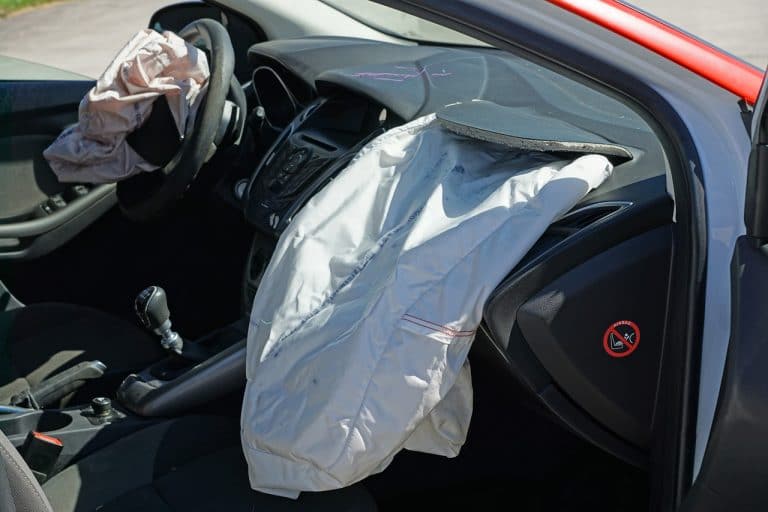
Imagine this: You’ve been in a minor car accident, and the airbag has deployed. As you assess the situation, a playful question flits across your mind—“Is my car totaled, or can it make a comeback?” The answer isn’t as straightforward as you might think. Determining whether a vehicle is salvageable or if it has met its untimely demise hinges on several variables. Let’s delve into the intricate world of vehicle inspections and insurance protocols, distinguishing the nuances that lead to a car being declared totaled or capable of repair.
To embark on this exploration, it’s crucial to understand what “totaled” actually means. In the automotive realm, the term refers to a vehicle that has sustained damage exceeding a specific percentage of its pre-accident value. This threshold varies by state, but often lies between 70% and 80%. When you consider the complex interplay of vehicle value, repair costs, and insurance policies, it becomes evident that many factors influence the final determination.
First and foremost, assessing vehicle damage is paramount. The deployment of airbags often suggests that other critical components have endured significant stress. Here are some pivotal aspects to evaluate:
- Impact Severity: The force of the collision acts as a primary indicator. A light tap may cause minimal internal damage, while a high-speed impact can wreak havoc on crucial systems, including structural integrity.
- Airbag Deployment: While airbags are deployed in both minor and major collisions, their detonation usually points to substantial force. Additionally, the car’s safety system triggers other indicators of severe damage.
- Exterior and Interior Damage: Scrutinizing both the outer body and interior structure is essential. Even if the exterior seems untouched, internal components, including electrical systems and airbags, might show signs of compromise.
Once the damage assessment is initiated, the next step typically involves professional opinions from assessors or mechanics, who will provide a detailed analysis. Their expertise is invaluable as they can identify hidden damages that may elude an ordinary inspection.
Then we move on to the financial jargon: repair costs versus vehicle value. If repairs are estimated to exceed the vehicle’s worth, the insurers are likely to conclude that the car is a total loss. But how do they calculate that worth? Here’s where it gets intriguing:
- Market Value Evaluation: Insurers determine the fair market value of a vehicle using tools such as the Kelley Blue Book or NADA Guides. These resources help ascertain what similar cars are selling for, which is critical for making sound insurance decisions.
- Repair Estimates: A meticulous assessment is necessary for estimating repair costs. Mechanics may need to provide detailed breakouts of labor and parts involved in restoring the vehicle to its pre-accident condition.
- Comparative Analysis: The insurance adjuster performs a comparison of repair costs against the car’s market value. If repairs reach a staggering percentage (often 70% or higher), the verdict leans toward total loss.
Now, what about the emotional and practical implications of a total loss declaration? Recognizing that your vehicle is irreparable creates a wave of resilience and adaptability in many drivers. Yet, the aftermath comes with its challenges, including:
- Financial Repercussions: Navigating the insurance payout process can be daunting. Depending on the insurer, payouts may fall short of expectations, especially if the vehicle has already depreciated significantly.
- Finding Replacement Vehicles: Searching for a new car can evoke a flurry of decisions—considering budgetary constraints, comparing features, and evaluating reliability, all while coping with the disappointment of parting with your old companion.
- Emotional Attachment: The bond formed with one’s vehicle often extends beyond mere transportation. The moment it’s declared totaled, a sense of loss may surface, prompting deeper feelings than one would anticipate.
As you ponder the repercussions, it’s also advisable to consider the following options if your car is deemed totaled:
- Retaining the Vehicle: In some instances, it’s possible to retain ownership of a totaled car for a nominal fee. This option may apply when sentimental value outweighs financial sense.
- Shopping for Salvageable Parts: If you decide to keep the car, you can explore the marketplace for replacement parts and salvage components. This route can save on costs while enabling you to maintain some connection to your vehicle.
The question of whether a car is totaled after airbag deployment is a multifaceted quandary that requires navigating through layers of assessments, market evaluations, and emotional ties. Ultimately, the determination rests not solely on visible damage but on a complex convergence of repair estimates, vehicle value, and the policies of your insurer.
In conclusion, while the deployment of airbags might raise immediate alarms, it doesn’t automatically signify the end for your vehicle. Instead, it opens up a broader dialogue about safety, assessment, and recovery in the aftermath of an accident. Regardless of the outcome, maintaining a proactive stance and ensuring proper valuation remains paramount. So, the next time you find yourself in a similar scenario, rest assured that understanding the interplay of factors at hand is your best ally in navigating the uncertain terrain of automobile safety and ownership.










Leave a Comment