As the sun glistens upon the water’s surface, a marine adventure begins, yet the heartbeat of this experience often lies beneath the surface: the motor that propels the vessel forward. Understanding the normal water flow from an inboard or outboard motor is crucial. Not only does it ensure optimal performance, but it also protects against potential disasters lurking in the deep blue. This article delves into the intricacies of water flow in marine engines, addressing a common observation while exploring deeper reasons behind its significance.
Introduction to Marine Engine Cooling Systems
Inboard and outboard motors operate on intricate cooling systems, relying on a continuous flow of water to maintain safe operating temperatures. These engines are akin to the human body’s circulatory system, requiring a steady influx of coolant to stave off overheating. It becomes instinctive for boaters to grope for reassurance as they observe water flowing from their engines; however, the implications of this flow extend far beyond mere comfort. The phenomenon evokes fascination—understanding how it works can save your engine, and thus your serene day at the sea, from catastrophic failure.
1. Types of Marine Engines: A Brief Overview
Before delving deeper into water flow specifics, it is essential to differentiate between inboard and outboard motors:
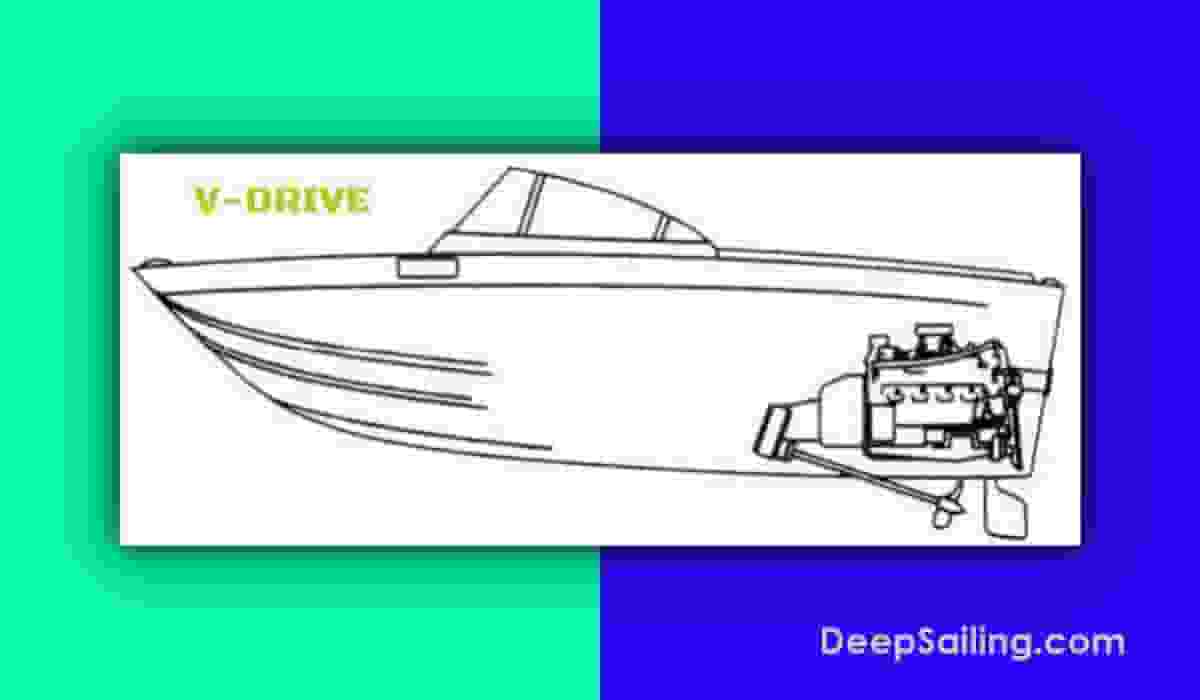
- Inboard Motors: These engines are nestled within the hull of the boat, typically connected to a drive shaft that transmits power to the propeller. They often require a more complex water intake system which draws water from beneath the craft.
- Outboard Motors: Situated externally, outboard motors combine the engine, gear case, and propeller into a single unit. Their design allows for straightforward water intake, usually through a lower unit and expelled via a telltale.
2. The Mechanics of Water Flow
The flow of water from either engine type serves fundamental roles:
- Cooling: Water enters the engine, absorbing excess heat produced during combustion. It then exits through ports, creating a natural cycle that keeps temperatures within safe limits.
- Lubrication: The influx of water also facilitates lubrication within the engine, mitigating friction between moving parts and ensuring a longer lifespan.
- Exhaust System Functionality: The water flow plays a crucial role in the exhaust system, helping to dissipate exhaust gases and preventing back pressure that could impair performance.
3. Recognizing Normal Water Flow
A healthy engine typically manifests a brisk, steady stream of water as it operates. Boaters often gaze at the telltale—a small nozzle that releases water from the motor—becoming attuned to the rhythm of their engine’s water flow. Several characteristics define normalcy:
- Consistent Flow Rate: The water should flow unimpeded, exhibiting no significant fluctuations or interruptions. A robust, but not excessive, stream indicates efficacy.
- Temperature Regulation: The motor remains at a consistent temperature, neither boiling over nor working inefficiently due to inadequate cooling.
- Clarity of the Discharged Water: Normal discharge should be relatively clear, devoid of excessive debris or contaminants that could indicate underlying issues.
4. Implications of Abnormal Water Flow
Occasionally, boaters may encounter changes in the water flow that could signal a problem. Such anomalies merit immediate attention:
- Weak or No Flow: A diminished stream could point to obstructions within the cooling system. Examples include debris clogging the intake, a malfunctioning thermostat, or a failed water pump.
- Overly Strong Flow: Conversely, a raging current might indicate a system malfunction, suggesting that the engine is expelling water too aggressively—this can impact performance.
- Discolored or Dirty Water: Any murky or strangely colored discharge raises red flags. This could signify the presence of oil in the cooling system, calling for immediate inspection.
5. Factors Influencing Water Flow
Several external and internal factors can influence the water flow from marine engines. Understanding these can deepen a boater’s appreciation for their craft:
- Environmental Conditions: Water temperature, salinity, and pressure can all affect the engine’s intake. High temperatures can impair cooling capacity, while high salinity might lead to corrosion.
- Maintenance Practices: Regular servicing ensures that the cooling system is free from blockages and inefficiencies, preserving the integrity of the engine.
- Engine Design: The differing architectures of inboard and outboard engines necessitate unique approaches to water flow, which can affect overall performance and efficiency.
Conclusion
Understanding the normal water flow in inboard and outboard motors transcends mere observation; it invites boaters into a deeper understanding of their vessel’s mechanics and the symphony of engineering at play. By recognizing the signs of normal operation and being cognizant of responsive measures to take in the face of irregularities, boaters can cultivate a profound relationship with their engines. The dance of water flow is not just a performance; it is an essential conduit between man and machine, ensuring voyages across airy seascapes remain safe and enjoyable.











Leave a Comment