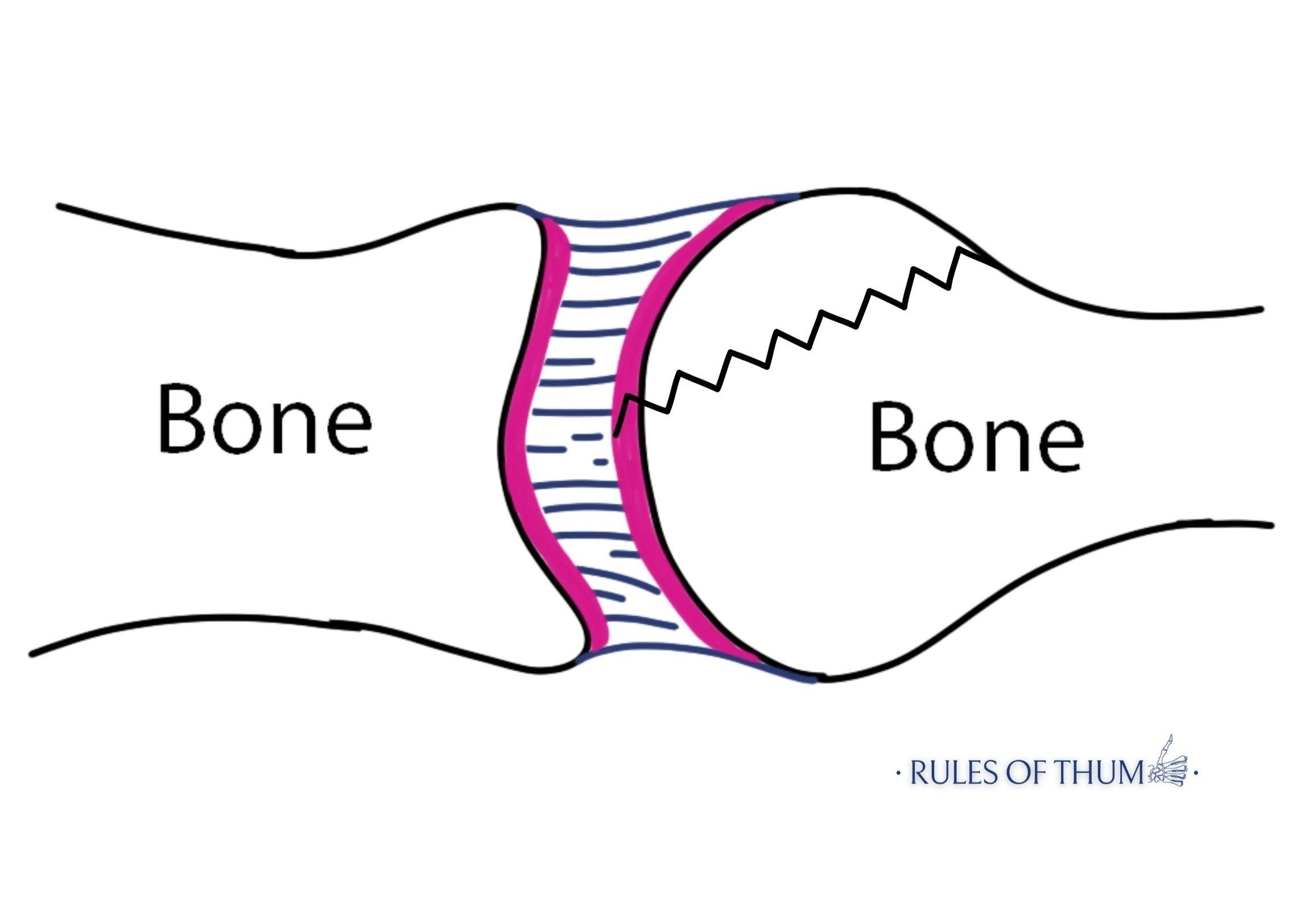
When discussing bone injuries, the terms “break” and “fracture” frequently slip into casual conversation, often leading to confusion among the layperson. At first glance, they appear synonymous—both terms denote a compromise in the structural integrity of a bone. However, delving deeper reveals nuanced distinctions that can be both intriguing and illuminating. Understanding these differences not only signifies the importance of accurate medical terminology but also reflects broader themes of language, context, and human anatomy.
The Terminology: An Overview
In medical parlance, the term “fracture” is scientifically precise. It refers to any discontinuity or rupture in the bone structure, irrespective of severity. On the other hand, “break” is often utilized in more everyday dialogue, occasionally imbued with emotional weight or urgency. When one says they have “broken” a bone, they may not necessarily understand the specific nature of the injury, but the sentiment conveys a sense of pain and distress. The discrepancy in terminology thus exemplifies the gulf between technical medical language and common vernacular.
Types of Fractures
Fractures can be classified into several categories, each with unique implications for treatment and recovery. Understanding these classifications enhances our appreciation for the complexity of bone injuries:
- Stable Fracture: A common type, where the broken ends of the bone remain aligned, typically necessitating minimal intervention.
- Displaced Fracture: This occurs when the ends of the broken bone are misaligned, often requiring surgical realignment.
- Open (Compound) Fracture: The bone protrudes through the skin, posing a higher risk of infection and requiring immediate medical attention.
- Closed (Simple) Fracture: In this type, the skin remains unbroken, though significant pain and swelling may ensue.
- Stress Fracture: These small cracks in the bone result from repetitive force or overuse, often seen in athletes or active individuals.
Each type encapsulates a range of experiences, from the minor inconvenience of a stable fracture to the acute crisis of an open fracture.
Symptoms of a Fracture
Identifying a fracture is as crucial as understanding its nomenclature. Key symptoms include:
- Intense Pain: Often immediate and relentless, signaling trauma.
- Swelling and Bruising: These indicators may develop shortly after the injury.
- Reduced Mobility: Difficulty in moving the affected body part can signify serious damage.
- Deformity: Visible irregularities in bone alignment warrant urgent evaluation.
These symptomatic manifestations underscore the body’s response to injury, highlighting the intricate interplay between biology and sensation.
Causes and Risk Factors
The causes of fractures can vary widely, encompassing traumatic injuries, overuse, and pathological conditions such as osteoporosis. Trauma, such as falls or collisions, represents the primary catalyst for most fractures. In contrast, stress fractures are subtly insidious, emerging from repetitive activity without immediate obvious injury.
Age also plays a pivotal role. As individuals age, bone density diminishes, making older adults particularly vulnerable to fractures. Lifestyle factors, including nutrition and physical activity, further influence bone health, impacting susceptibility to breaks and fractures.
Treatment Protocols
Once a fracture is diagnosed, the course of treatment is dictated by several factors, including the injury’s nature, location, and individual health. Treatment modalities span:
- Immobilization: Using casts or splints to restrict movement and facilitate healing.
- Medication: Employed to alleviate pain and inflammation.
- Surgery: In cases of displaced or open fractures, surgical intervention may be necessary to realign and stabilize the bone.
- Physical Therapy: Post-injury rehabilitation helps restore mobility and strength.
The diverse approaches to fracture treatment illustrate both the complexity of human anatomy and the sophistication of modern medicine.
Preventing Fractures
While certain fractures may be unavoidable, numerous preventive strategies can mitigate risks. Engaging in weight-bearing exercises, ensuring adequate calcium and vitamin D intake, and employing protective gear during high-risk activities contribute significantly to bone health. Regular medical check-ups, especially for those at higher risk, can facilitate early detection of conditions that compromise bone integrity.
Conclusion: The Significance of Distinction
The difference between a break and a fracture, while subtle, reveals a broader conversation about the nuances of language and the implications of understanding. Grasping the significance of each term enhances comprehension of health and medicine. It lends insight into our bodies’ complex structures and the language that allows us to articulate their vulnerabilities. Indeed, the fascination with human anatomy extends far beyond the skeletal system, weaving through numerous layers of language, culture, and personal experience. Awareness and education are key, transforming what could have been a simple semantic distinction into a profound exploration of the human condition.










Leave a Comment