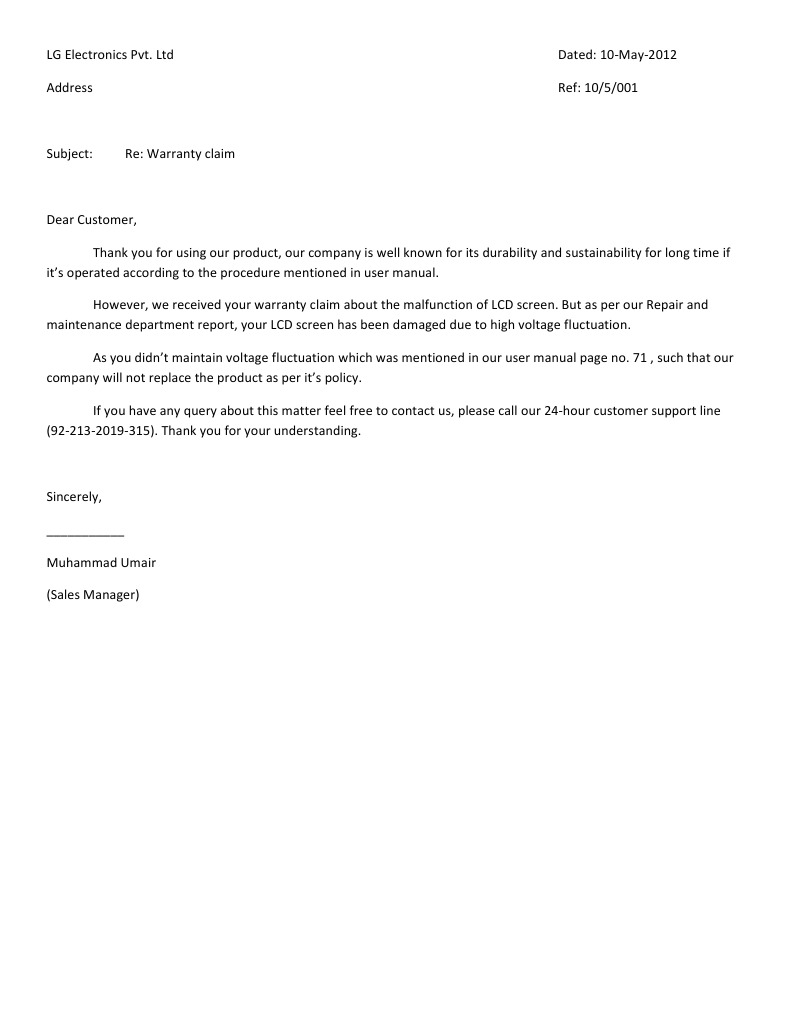
Is a Certified Letter Bad News?
The envelope, crisp and unyielding, rests on your countertop like an ominous storm cloud looming overhead. It bears the unmistakable insignia of certified mail—a token of urgency that conveys weight far beyond its mere paper composition. But this piece of correspondence has your heart racing. Is a certified letter synonymous with bad news? Or is it merely a harbinger of concern that need not be feared? In delving into the multi-faceted world of certified letters, we shall navigate treacherous waters of anxiety and suspicion to ultimately illuminate their meaning.
The Nature of Certified Letters
To unravel the enigma, we start by peering into the essence of a certified letter. This kind of mail isn’t your typical correspondence; it often signifies something of considerable importance. The postal service delivers it with a built-in tracking system, allowing both sender and receiver to monitor its journey. It carries the gravitas of assurance, a message that mandates acknowledgment. However, with this distinctive presentation comes an inherent ambiguity—could its contents signify a shroud of unpleasant tidings?
Common Scenarios for Receiving Certified Letters
The myriad purposes for sending certified letters can be as diverse as the individuals who send them. Here, we shall elucidate several common scenarios that may elicit your fears:
- Legal Notices: The specter of litigation often looms in the background of certified letters. Perhaps they announce a lawsuit, cease-and-desist, or even eviction notices. The mere thought can be enough to send shivers down one’s spine, as legal matters rarely evoke pleasant emotions.
- Financial Obligations: Certified letters may be dispatched by financial institutions or collections agencies. An impersonal yet potent reminder of debts owed can awaken feelings of dread as one confronts the reality of unpaid obligations.
- Government Communications: Tax notifications or other governmental correspondence can manifest as certified letters. Although these communications can denote important information, their contents might not always reflect positively on the recipient.
- Job-Related Notifications: In a world of uncertainty where job security can feel as elusive as smoke, a certified letter from an employer may signal changes—whether it be job offers, layoffs, or policy updates. While this could lead to advancement, it can equally herald unwelcome changes.
The Other Side of the Coin: Certainty Can Offer Comfort
Yet, it is imperative not to succumb entirely to a sense of impending doom. Certified letters can also be beacons of clarity in the dark recesses of uncertainty. For instance, they may represent the finalization of a loan or approval of a significant application. Below are some redeeming qualities of receiving such correspondence:
- Resolution: Many events in life come with questions, and certified letters can provide resolutions. The clarity of information can alleviate apprehension, paving the way for informed decision-making.
- Proof of Communication: Certified letters provide tangible proof that correspondence has transpired—an added layer of accountability that helps to mitigate misunderstandings or disputes.
- Encouragement of Responsiveness: Recipients may find the need to act promptly upon receipt, igniting a sense of urgency that can lead to proactive measures.
Processing Your Fear
The salacious allure of conspiracies often leads us to conjure up the worst-case scenarios. When a certified letter graces your mailbox, it can feel as if it bears the weight of the world. However, understanding the psychological component of receiving such a letter can alleviate the anxiety that accompanies it. Cognitive biases, such as catastrophizing, can exacerbate fear. It’s vital to sit with your emotions, acknowledge them but also scrutinize the logical aspects of the situation with a critical eye.
Empowerment Through Preparation
Should your fears come to fruition and the certified letter contains unwelcome news, it’s essential to embrace empowerment through preparation. Here are some steps to consider:
- Open with Caution: Approach opening the certified letter as you would approach a door that may lead to the unknown—methodically and thoughtfully.
- Seek Support: Whether it entails consulting a legal advisor or enlisting friends for emotional support, embrace a network that can help shoulder the burden.
- Develop a Strategy: Conjure a plan to address the contents of the letter swiftly. Preparation often fends off anxiety, transforming the unknown from a fearful entity into a manageable task.
Conclusion: Transforming Trepidation into Insight
In the labyrinth of human experience, certified letters often trigger a panoply of emotions. Through understanding their complex nature, and recognizing both the positive and negative potentials, one can mitigate the trepidation felt when encountering such correspondence. Like a cloudy sky that can morph into an azure expanse, certified letters may surprise you with unexpected outcomes or clarifications. Ultimately, the power lies not in the letter itself, but in how you choose to perceive its message and embrace the ensuing journey.











Leave a Comment