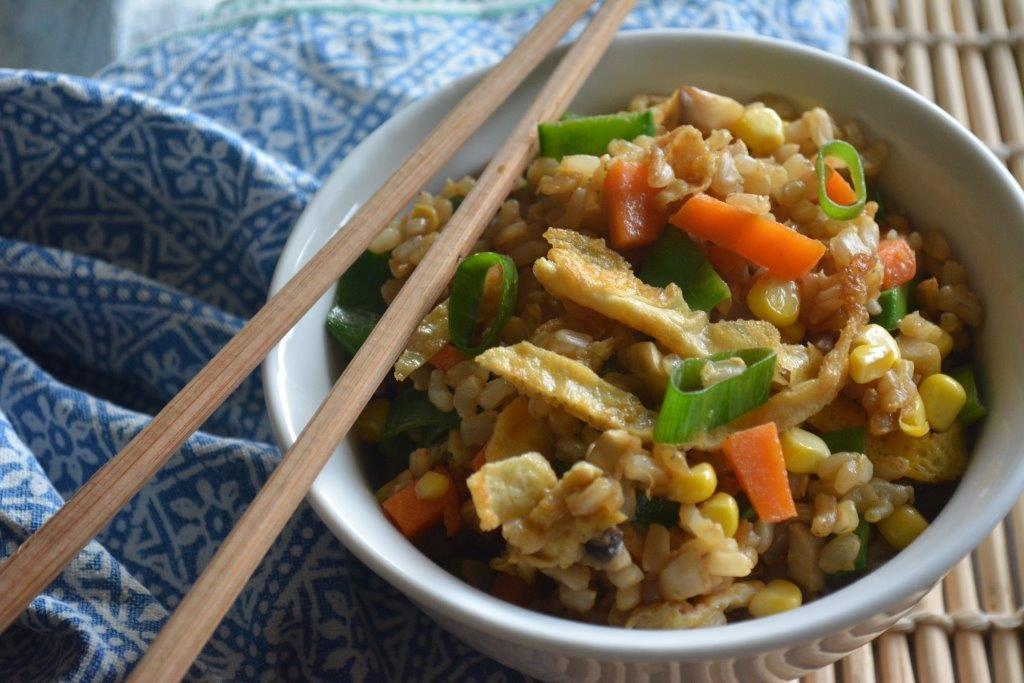
Have you ever dug into a steaming plate of fried rice and wondered whether it could indulge a gluten-sensitive palate? The question of whether fried rice is gluten-free is not merely trivial; it poses a culinary challenge for many who adhere to a gluten-free lifestyle. This delightful dish, rooted in Asian cuisine, has become a beloved staple worldwide. Yet, its gluten status can vary greatly depending on its ingredients and preparation methods. In this exploration, we will dissect the components of fried rice, investigate its gluten-containing culprits, and offer you advice on how to enjoy this dish while remaining gluten-conscious.
To understand the potential gluten conundrum presented by fried rice, we must first define gluten itself. Gluten is a protein found in wheat, barley, and rye. For individuals with celiac disease or gluten intolerance, exposure to gluten can lead to a myriad of unpleasant symptoms and long-term health complications. Thus, the crux of the matter is whether traditional fried rice contains any of these gluten-containing grains, either directly or indirectly through sauces and other additives.
Let’s begin by examining the star ingredient of fried rice: rice. Naturally, rice is inherently gluten-free. Varieties such as jasmine, basmati, or long-grain white rice warm the hearts of gluten-sensitive diners everywhere. However, the devil is in the details when it comes to additives and sauces that might accompany this otherwise innocent grain.
Most traditional fried rice recipes include vegetables, meat, and a medley of seasonings. Unfortunately, sauces that are frequently used in fried rice preparations can introduce gluten into the equation. Soy sauce, for example, is notoriously rich in gluten, as it is typically made from fermented wheat. Substitute types, like tamari, boast a wheat-free composition, providing a gluten-free alternative without sacrificing flavor. Always scrutinize the label on working condiments; they can often harbor hidden gluten.
Another common concern is the presence of pre-packaged fried rice mixes which may seem convenient but can be deceptive. They often contain flavor enhancers or seasonings that might include gluten-containing ingredients. Even fried rice served in restaurants may be prepared using sauces or oils that have been cross-contaminated or contain gluten. To fully enjoy your fried rice experience, it is prudent to inquire about these details when dining out.
Now, let’s delve deeper into the cooking process. Homemade fried rice presents a golden opportunity to ensure that all components are gluten-free. When crafting this dish from scratch, you have full control over the ingredients at your disposal. Opt for gluten-free soy sauce alternatives or other savory seasonings, such as coconut aminos, which can lend a delightful umami flavor without gluten’s unwelcome presence.
The addition of vegetables is also an excellent way to enhance both the taste and nutritional profile of your fried rice. Freshly chopped carrots, peas, bell peppers, scallions, and even complex ingredients such as bok choy can add a vibrant array of colors and textures. Not only do they contribute to overall flavor, but they also serve as a safeguard against potential cross-contamination since they are naturally gluten-free.
For those who crave proteins in their fried rice, chicken, shrimp, tofu, or even eggs are splendid choices. Just be cautious about pre-seasoned proteins, particularly when it comes to marinades, which might utilize soy sauce or other gluten-containing products. If you are preparing proteins separately, using gluten-free seasonings is imperative.
Additionally, when serving or garnishing your fried rice, consider the accessory toppings. Kraft or store-bought hot sauces and chili pastes might raise eyebrows with their potential gluten content, while peanuts or sesame seeds can add texture. Always ensure these toppings are verified gluten-free if you are particularly cautious about cross-contamination.
Serving fried rice with a side of caution does not inhibit creativity; rather, it enhances culinary exploration. Experiment with different grains such as quinoa or cauliflower rice as gluten-free bases, opening a world of possibility while catering to specific dietary needs. The versatility of fried rice allows it to adapt seamlessly to different tastes, preferences, and gluten sensitivities.
In conclusion, fried rice can indeed serve as a gluten-free option, but it is vital to navigate its components and preparation carefully. The query, “Is fried rice gluten-free?” is not one-size-fits-all; rather, it necessitates individual scrutiny of ingredients and cooking methods. Embrace the opportunity to explore homemade variations, utilize gluten-free substitutes, and adorn your dish with fresh, wholesome toppings. By doing so, fried rice can resonate not only as a gastronomic delight but also as an inclusive dish for those with gluten sensitivities.
So, the next time you’re faced with that tantalizing plate of fried rice, relish the flavors while confidently knowing whether it can coexist with your dietary needs. Bon appétit!










Leave a Comment