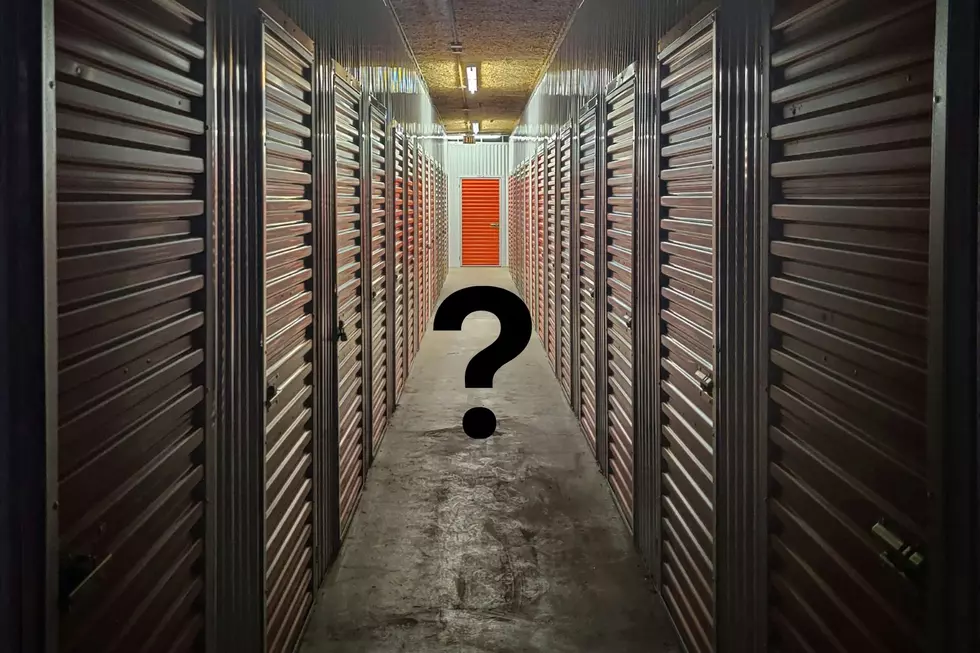
In a world where affordable housing continues to dwindle, and the cost of living escalates beyond reach for many individuals, an unconventional solution has emerged: residing in a storage unit. Yet, this idea raises an important question: Is it illegal to live in a storage unit? The answer may not be as straightforward as one might think. In this article, we will explore the legalities and implications of living in a storage unit, dissect the motivations behind such a choice, and ultimately provide a comprehensive understanding of this peculiar phenomenon.
The Legal Landscape
Understanding the legality of living in a storage unit requires an examination of local laws and regulations. Storage facilities are primarily established for the sole purpose of storing goods and belongings, not as residential dwellings. Therefore, many local ordinances and zoning laws specifically prohibit individuals from residing in these units.
Local Ordinances
Each municipality possesses its own set of regulations governing land use and residential accommodations. In most cases, living in a storage unit violates these regulations, which are designed to ensure public safety, health, and welfare. Local governments may enforce fines or penalties against individuals found inhabiting a storage facility.
Lease Agreements
Furthermore, when renting a storage unit, tenants typically enter leases that explicitly forbid living in the unit. These contracts may contain language outlining permissible uses of the space, reinforcing that it should be reserved for the storage of personal items only. Violating these agreements can lead to eviction or legal action from the storage company.
Safety Concerns
Storage units also present significant safety concerns for anyone considering living in them. These facilities are not equipped for human habitation; they lack essential amenities such as running water, heating, ventilation, and adequate sanitation facilities. The absence of these basic necessities not only poses health risks but also raises questions about fire safety, emergency exit accessibility, and other vital living conditions.
Motivations for this Lifestyle Choice
Despite the inherent risks and legal ramifications, numerous individuals are drawn to the idea of living in a storage unit. Understanding the motivations can shed light on why some people consider this option as a legitimate alternative to traditional housing.
Financial Constraints
The skyrocketing costs of housing—especially in urban areas—prompt desperate individuals to seek innovative ways to reduce their living expenses. For some, the allure of a low-cost storage unit offers a temporary refuge. At a fraction of the price of conventional rent, a storage unit presents an alternative for those unable to secure affordable housing.
Transitional Situations
Others may find themselves in transitional situations—perhaps facing eviction, divorce, or job loss. During these tumultuous periods, some individuals may perceive storage units as a stopgap solution, aiding them in maintaining a semblance of stability while they plan their next move.
A Sense of Freedom
For a subset of individuals, the appeal lies in the prospect of minimalism and the allure of a nomadic lifestyle. Living in a storage unit, while unconventional, may resonate with those seeking freedom from material possessions and long-term obligations. The idea of possessing only what can be stored in a small space can liberate people from societal pressures concerning ‘success’ and ‘ownership.’
The Repercussions of Residential Storage
While living in a storage unit may seem appealing, those who choose this path should be mindful of the potential repercussions, both legal and practical.
Legal Action
As previously mentioned, the risk of legal action looms high for individuals discovered inhabiting a storage unit. Depending on local laws, one may face eviction, fines, or even criminal charges related to trespassing or violating zoning regulations.
Impact on Personal Well-being
Beyond the scope of legality, the ramifications for mental and physical well-being should not be dismissed. The isolation and cramped quarters of a storage unit can provoke anxiety, depression, and disconnection from one’s community. The absence of sunlight, fresh air, and social interaction can foster an environment detrimental to health.
Potential Solutions
As neighborhoods grapple with the housing crisis, it becomes imperative to explore viable alternatives to ensure access to safe and affordable shelter. This conversation could include innovative housing models, including micro-apartments, co-living spaces, and increased support for homelessness prevention. Addressing the root causes of housing insecurity may provide a pathway towards more sustainable solutions.
Conclusion
In conclusion, while the notion of living in a storage unit may pique curiosity and present an avant-garde solution to housing struggles, the legal implications and safety concerns are substantial. Countless individuals may feel compelled towards this unconventional lifestyle due to economic pressures and transitional life events, yet the potential repercussions can cast a long shadow on their well-being. Ultimately, fostering dialogue around affordable housing and alternative solutions is essential, redirecting focus toward sustainable and legally viable options for all. As society evolves, it is crucial to cultivate understanding and empathy for those navigating the complexities of housing insecurity, striving for innovative solutions that prioritize dignity, safety, and community connection.










Leave a Comment