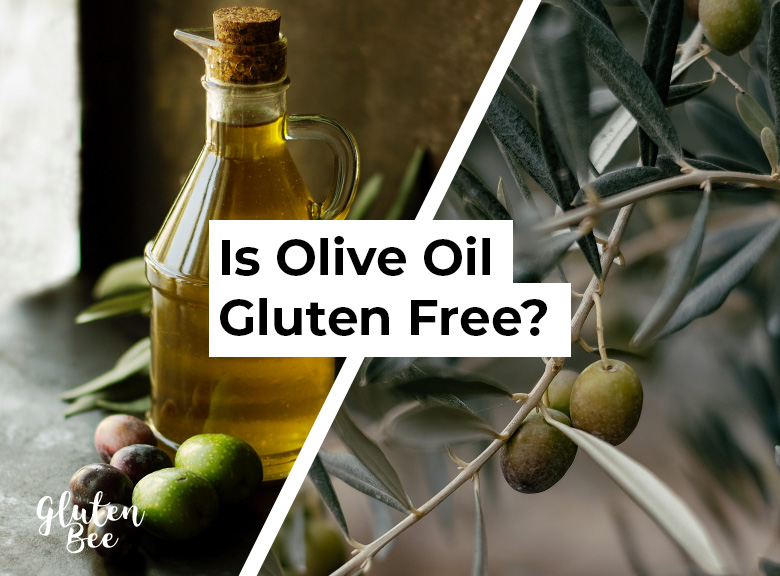
Olive oil, the golden nectar pressed from the fruits of the olive tree, has captivated palates and cultures throughout history. As a cornerstone of Mediterranean cuisine, it embodies both simplicity and sophistication, weaving itself into the very fabric of culinary artistry. But amidst the myriad of dietary considerations in today’s health-conscious world, a common question arises: is olive oil gluten-free? To navigate this inquiry, one must embark on a journey through the essence of olive oil and its place within the wider tapestry of gluten intolerance.
The first step in this exploration is to understand gluten itself—a protein composite found in certain grains like wheat, barley, and rye. For individuals with celiac disease or gluten sensitivity, even the smallest exposure to gluten can provoke significant physical distress. Thus, discerning the gluten-free status of various foods becomes a vital part of their daily lives. Enter olive oil, a product traditionally embraced for its health benefits and rich flavor.
At its core, olive oil is derived from the fruit of the Olea europaea tree. The process of extraction typically involves crushing olives and pressing them to release their oil. This method is straightforward, painting a picture of purity and authenticity—much like the vibrant landscapes of Mediterranean orchards where sunlight bathes the trees in a golden glow. As such, the extraction of olive oil does not involve gluten-containing grains, and thus, the oil itself remains free of this troublesome protein.
However, as with many tales spun in the culinary world, the story does not end there. The production of olive oil can sometimes lead to confusion. Cross-contamination can lurk in the shadows—an ominous specter that haunts many food processing environments. In facilities where both gluten-containing products and olive oil are processed, there exists a potential for trace amounts of gluten to be introduced into the olive oil through shared equipment or storage facilities. Thus, it is imperative for those with gluten sensitivity to seek out certified gluten-free olive oil or products that explicitly state their production processes are devoid of gluten contamination.
Moreover, as one traverses the vast universe of olive oils—ranging from robust extra virgin oils to refined varieties—understanding their unique characteristics becomes essential. Extra virgin olive oil, pressed from the first cold pressing of olives, is often deemed the healthiest option. Its intense flavor and lower acidity assert a bold presence, elevating dishes to new culinary heights. Conversely, refined olive oil, which may be processed using heat and chemicals, typically exhibits a milder flavor and potentially less health-promoting properties. Regardless of the type, pure olive oil maintains its gluten-free status, but vigilance is crucial. Always check labels for additives or flavored oils that might introduce gluten.
Beyond the realm of production and classification, one must consider the culinary applications of olive oil. Its versatility is akin to that of a masterful conductor leading an ensemble—a silky drizzle can transform simple ingredients into a symphony of flavors. From salads steeped in a blend of balsamic vinegar to savory roasted vegetables glistening under a coat of olive oil, the culinary possibilities are endless. For those steering clear of gluten, olive oil serves as a steadfast companion, enhancing taste while adhering to dietary restrictions.
Furthermore, the health benefits associated with olive oil are abundant, reminiscent of an age-old elixir. Rich in monounsaturated fats and antioxidants, it is celebrated for promoting heart health and reducing inflammation. The Mediterranean lifestyle, where olive oil reigns supreme, is often lauded for its contributions to longevity and overall well-being. Within this context, olive oil is not merely a cooking ingredient; it has ascended to the role of a healthful ally—a support system providing comfort and nourishment sans the threat of gluten.
In addition to personal safety, sustainability also plays a significant role in the olive oil narrative. Many producers are increasingly adopting environmentally friendly practices, promoting the organic cultivation of olives free from harmful pesticides. This conscientious approach to farming not only safeguards the integrity of the oil but also resonates with eco-aware consumers who recognize the importance of ethical sourcing and production methods.
As the journey reaches its conclusion, the answer to whether olive oil is gluten-free emerges clearer than ever. Indeed, pure olive oil, celebrated for its culinary allure and healthful properties, stands unequivocally gluten-free—a shimmering golden gateway for flavor and nourishment. Yet, just as with any journey, caution must still prevail. For those navigating the complexities of gluten sensitivity, vigilance is paramount. Seek reputable brands, ascertain production methods, and remember that purity and intention are the foundations of great culinary experiences.
In the end, olive oil embodies more than just a cooking ingredient; it encapsulates a lifestyle, a tradition, and a promise of wholesome nourishment. Whether drizzled over grilled vegetables or whisked into a vinaigrette, its presence enhances every dish it graces. So, for those wondering about gluten’s shadow loitering in the realm of olive oil, take heart—this liquid gold is, indeed, a safe and splendid addition to a gluten-free diet, ready to impart its unique appeal to plates around the world.










Leave a Comment