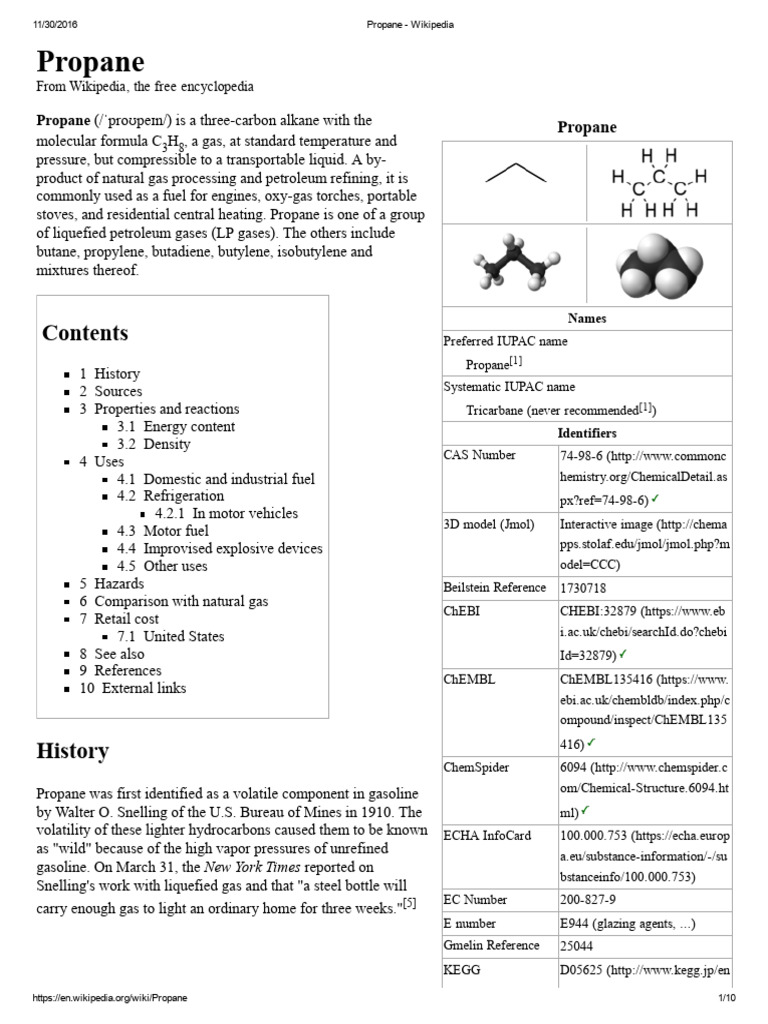
Propane, an aliphatic hydrocarbon, is a ubiquitous presence in several domestic and industrial applications. It fuels our barbecues, heats our homes, and powers various equipment, making its presence felt in daily life. However, a fascinating characteristic of this gas invites inquiry: Is propane heavier than air? This question serves as a portal to explore not just the physical properties of propane but also its applications, safety considerations, and the intriguing science behind it. In this article, we will delve into the specifics of propane’s properties, its behavior in different environments, and the implications of its weight relative to air.
To understand whether propane is heavier than air, one must first grasp the concept of molecular weight. Air, a mixture predominantly composed of nitrogen (approximately 78%) and oxygen (about 21%), has an average molecular weight of approximately 29 g/mol. Propane, chemically represented as C₃H₈, boasts a molecular weight of around 44 g/mol. This knowledge alone signals a significant element of fascination: propane is indeed heavier than air, hovering with a molecular weight that surpasses that of the common atmospheric mixture.
This property of being denser is essential when pondering the behavior of propane in different environments. When released into the atmosphere, propane does not simply disperse vertically like lighter gasses; instead, it tends to settle to the ground. This observation directly underpins safety considerations particularly relevant in enclosed spaces or during the transport of this substance. Understanding this characteristic transforms from a mere scientific fact to a critical factor in safeguarding human lives and property.
A deeper exploration into the nature of propane reveals that it exists as a gas under standard atmospheric conditions but can also be compressed into a liquid state. This phase change is fundamental in many of its applications, particularly in places where space constraints dictate use. In its liquid form, propane occupies a much smaller volume, which makes transporting and storing it efficient, a point that amplifies its allure in various industries. Thus, the fascination with the properties of propane extends beyond its weight and density to encompass its versatility and adaptability.
In context, the density of propane means that when there is a leak, the gas may accumulate in low-lying areas—this can be engendered by geographic features or structural elements like basements. Adequate ventilation becomes paramount. Hence, the understanding of propane’s behavior relative to air density is not merely academic; it becomes a crucial part of safety protocols. Gas sensors and safety alarms are frequently employed in environments where propane is utilized, serving as vital tools to avert potential hazards that arise from its density.
Moreover, the heavier-than-air property of propane expands its implications in fields such as agriculture, trade, and manufacturing. In agricultural practices, it is used for heating greenhouses and powering machinery. The weight of propane ensures that it efficiently conveys energy where it is needed most, particularly during those chillier months when warmth is imperative. Its utility does not wane in other industries where it acts as an indispensable component for processes such as welding, powering fork-lifts, and even generating electricity.
Furthermore, this density also holds rhetorical weight in discussions about the environmental impact and regulatory considerations surrounding the use of propane. With growing concerns about global warming and the search for cleaner energy, propane is often heralded as a transitional fuel. While it still emits greenhouse gases, its efficiency and lower carbon content position it as a favorable option compared to coal or oil. Recognizing that propane is denser than air also facilitates discussions about its storage and distribution, enhancing understanding about best practices for minimizing leaks and environmental consequences.
In light of these factors, it becomes evident that the question of whether propane is heavier than air is much more than a simple scientific inquiry. It is steeped in practical implications and real-world scenarios that touch upon safety, efficiency, and even environmental impact. The fascination with propane’s density reflects a broader interest in how elements of nature interact in innovative ways to solve modern problems.
In summation, propane’s identity as a heavy gas relative to air invites myriad considerations, ranging from safety protocols to the broader implications of its use in everyday life. By understanding this property, one can appreciate the deeper nuances that underlie the challenges and opportunities that propane presents in various contexts. Whether in residential settings or industrial applications, the heavier-than-air characteristic of propane is not merely a matter of chemistry; it is intertwined with safety, efficiency, and environmental stewardship, proving to be a captivating subject that underscores the intrinsic link between science and daily life.










Leave a Comment