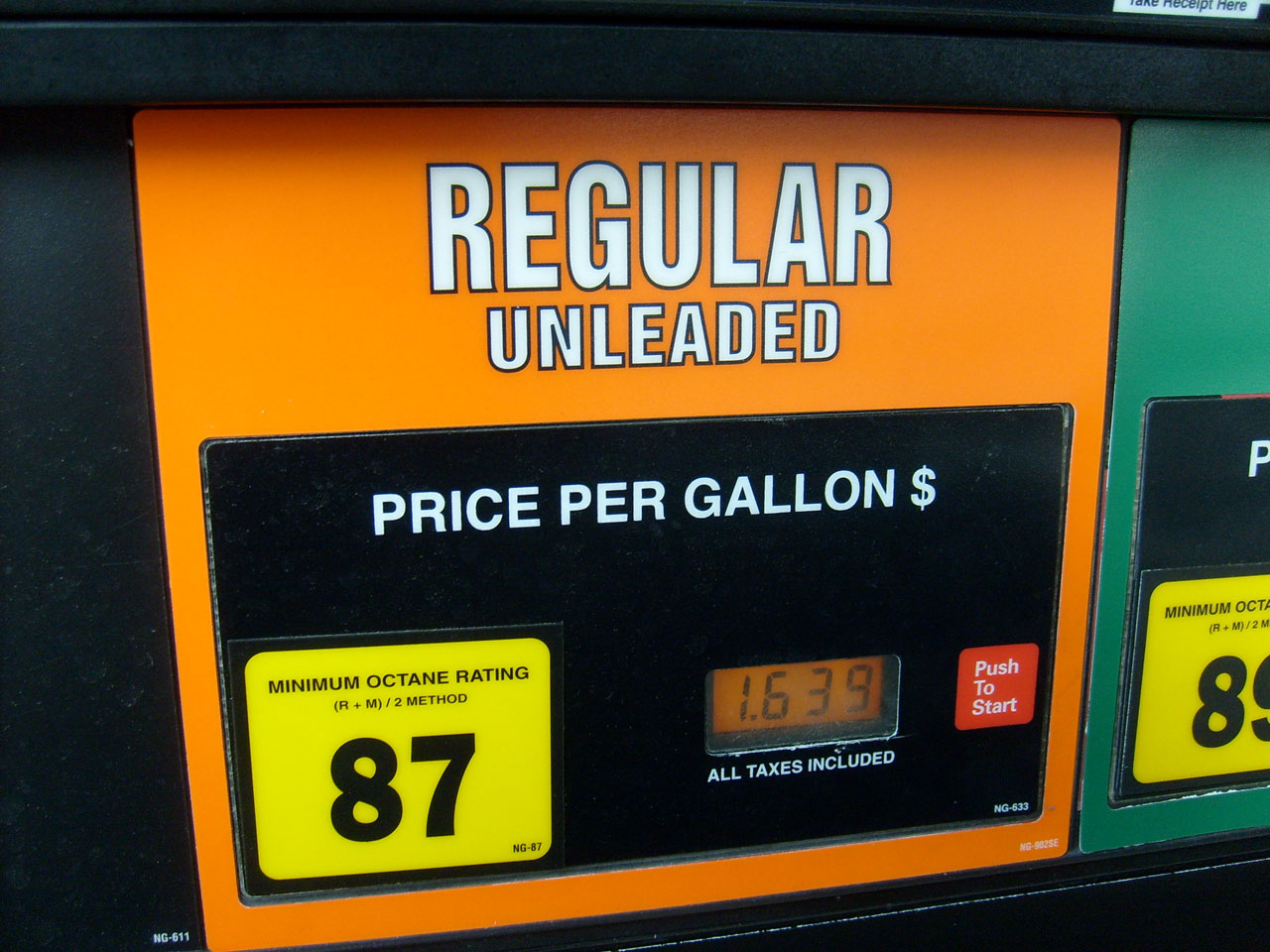
In a world where fuel is an integral part of our daily lives, understanding the nuances of gasoline types can feel like traversing a labyrinth. Among the multitude of options available, the term “regular gas” frequently emerges, accompanied by a common but often misunderstood suffix: “unleaded.” This article seeks to unravel the layers of this terminology, promising a shift in perspective and inviting you to delve deeper into what these descriptions truly signify for your vehicle and the environment.
At the outset, it is pivotal to grasp the fundamental definition of regular gas. Commonly identified as “regular unleaded gasoline,” this fuel typically has an octane rating of 87. The octane rating signifies the fuel’s ability to resist knocking during combustion, which is critical for engine performance. However, it’s not just the numerical value that defines this fuel; the term “unleaded” plays a significant role in the broader conversation about gasoline.
The advent of unleaded gasoline emerged in the 1970s as a crucial response to environmental degradation and health concerns associated with leaded gasoline. This transition marked a watershed moment in automotive history. Lead was once a standard additive that enhanced octane levels but posed immense health risks, causing neurological issues and contributing to atmospheric pollution. In this context, unleaded gasoline became synonymous not only with improved vehicle efficiency but also with a collective aspiration toward cleaner air and healthier communities.
But what does “unleaded” truly entail? It signifies the absence of tetraethyl lead, the pernicious compound once prevalent in gasoline formulations. This absence doesn’t merely serve an aesthetic or marketing function; it represents a profound commitment to sustainability and public health. The shift from leaded to unleaded fuel encapsulated a turning point in industrial practices, urging manufacturers and consumers alike to prioritize environmentally conscious choices.
In the current fuel landscape, you might encounter multiple grades of gasoline, typically categorized as regular, mid-grade, and premium, with each type showcasing varying octane ratings. Despite the differences, the majority of gasoline available in modern pumps, including regular gas, is unleaded. It’s critical to recognize that while “regular gas” is often equated with “unleaded,” not all fuels designated as unleaded are suitable for every engine type. Compatibility with a vehicle’s design, manufacturer recommendations, and specific performance requirements should always guide your choice.
Curiosity arises when we examine why certain vehicles might benefit from premium or higher-octane fuels. High-performance vehicles often necessitate fuels with octane ratings of 91 or higher due to their advanced engineering, which optimizes combustion. Utilizing regular unleaded gasoline in such vehicles might lead to engine knocking, decreased efficiency, and ultimately, a compromise in performance. Understanding this dynamic empowers consumers to make informed decisions; after all, the implications of these choices extend beyond the pump.
While regular unleashed gasoline is a viable option for most standard vehicles, recent developments in fuel technology and additives have paved the way for advanced formulations. Additives such as detergents and anti-corrosives are often blended into gasoline to enhance engine cleanliness and performance. Therefore, the narrative does not solely revolve around the type of gasoline but also the quality and formulation of the unleaded products available on the market.
Moreover, the ecological implications of gasoline choices cannot be overstated. The automotive industry is progressively steering toward more sustainable practices, with manufacturers investing in electric and hybrid vehicles. Nevertheless, for the time being, regular unleaded gas remains a staple for the majority of vehicles on the road. Reflecting on this transition from leaded to unleaded fuels showcases a significant shift in consumer awareness and responsibility concerning environmental stewardship.
Unleaded gasoline thus emerges as a paradox; while it is a standard ingredient in modern vehicles, it embodies a complex interplay of engineering, public health, and environmental responsibility. This duality invites consumers to reassess their perceptions of fuel. Are the economic savings from choosing regular unleaded worth the potential hidden implications of engine performance? This question encourages deeper contemplation about the essence of our fuel choices.
In conclusion, the terminology surrounding gasoline, particularly “regular unleaded,” extends far beyond simple definitions. It embodies the trajectory of fuel development aimed at improving both vehicle performance and environmental health. As you approach the pump, consider not just the price but also the broader implications of your fuel choice. Embrace the knowledge that unleaded gasoline serves as a bridge between past indiscretions and a more conscientious future. The choice is indeed in your hands, as you steer toward a world where each fill-up contributes to a healthier environment and more efficient vehicles.









Leave a Comment