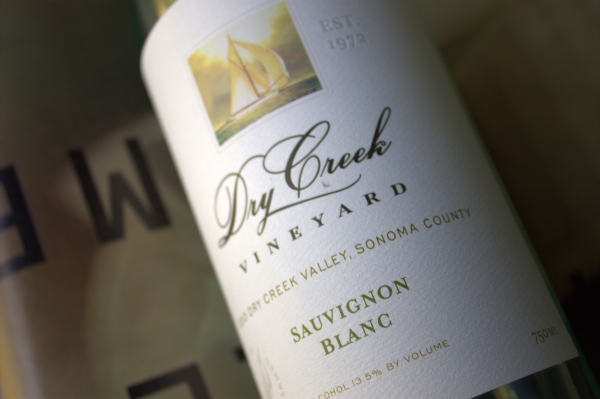
Sauvignon Blanc, an esteemed variety of white wine, is celebrated for its vivacity and crispness. Renowned globally, its production hails from various regions, each endowing unique characteristics tied to terroir and vinification techniques. This article endeavors to elucidate the quintessential question for wine aficionados: Is Sauvignon Blanc dry? To navigate this inquiry, we shall explore the fundamental attributes of this grape, its diverse manifestations across the wine-imbibing spectrum, the factors influencing its dryness, and the sensory experiences typically associated with this elegant wine.
The Essence of Sauvignon Blanc
Originating from the Bordeaux region of France, Sauvignon Blanc asserts its identity through zesty acidity and hallmark flavors of green apple, lime, and tropical fruits. It occupies a significant place in the pantheon of white wines, revered for its versatility and refreshing profile. Most manifestations of Sauvignon Blanc are indeed dry, presenting an invigorating experience that pairs splendidly with an array of culinary delights.
The Spectrum of Sauvignon Blanc: Dry and Sweet Varietals
While Sauvignon Blanc is predominantly dry, it is crucial to acknowledge the spectrum of styles this grape can produce. In addition to the crisp, dry iterations found in regions like Sancerre and Marlborough, there are sweeter variations crafted in other locales. These distinct styles offer a smorgasbord of experiences for wine connoisseurs.
1. Dry Sauvignon Blanc: The quintessential dry Sauvignon Blanc showcases an invigorating acidity, complemented by herbaceous notes of bell pepper and freshly cut grass. Renowned regions such as the Loire Valley in France exemplify this style through its meticulous vinification processes.
2. Off-Dry Sauvignon Blanc: Straddling the line between dry and sweet, off-dry Sauvignon Blanc retains a hint of residual sugar, creating a subtle roundness on the palate. This style often manifests in regions where warm climates foster the development of fruit-forward flavors while maintaining the signature acidity.
3. Sweeter Sauvignon Blanc: In contrast, some producers, especially those in warmer regions like California, may yield sweeter interpretations. These wines typically undergo late harvest processes, enhancing their natural sugars, resulting in a luscious treat often enjoyed as dessert wines.
The Influence of Terroir and Vinification Techniques
Understanding the milieu from which Sauvignon Blanc emerges reveals the profound impact of terroir and vinification methods on its final expression. Terroir encompasses the climatic conditions, soil composition, and vineyard practices—each influencing the fundamental attributes of any wine. For instance, soil types rich in minerals can elevate the wine’s flavor profile, while cooler climates tend to produce wines with higher acidity and more pronounced herbal notes.
Vinification techniques, from fermentation temperatures to oak aging, further steer the wine’s journey toward dryness or sweetness. Typically, cooler fermentation enhances aromatic compounds, fortifying the crispness characteristic of dry Sauvignon Blancs. Conversely, wines subjected to oak aging may introduce oak-derived flavors and a rounder mouthfeel but can also mask some of the varietal’s natural acidity.
Tasting Notes: What to Expect
When savoring Sauvignon Blanc, one can expect a delightful gustatory experience marked by vibrant acidity and refreshing flavors. The aroma often presents a medley of notes, from zesty citrus and stone fruits to herbaceous nuances reminiscent of freshly mowed grass or elderflower. On the palate, dry Sauvignon Blanc reveals its signature crispness, with flavors that can range from tart lime and grapefruit to more exotic hints of passion fruit and green melon. This balancing act of acidity and flavor creates a structured wine that tantalizes the senses.
Food Pairing: The Art of Complementation
The inherent acidity and distinctive flavors of Sauvignon Blanc not only render it broadly appealing but also versatile for pairings. Its ability to cutting through rich textures makes it an exceptional companion to various cuisines. Grilled seafood, creamy goat cheese, and vibrant salads adorned with citrus dressings all find harmonious partners in this lively wine. Its refreshing qualities enhance flavors, creating a delightful dining experience.
The Role of Climate in Sauvignon Blanc’s Profile
The climatic conditions under which Sauvignon Blanc is cultivated play a pivotal role in shaping its dryness and flavor intensity. Cooler regions often yield wines with higher acidity and more pronounced herbal and citrus notes, whereas warmer climates can foster deeper fruit profiles, occasionally tilting toward a sweeter experience. Understanding the climate and corresponding styles can guide enthusiasts in selecting the right bottle to suit their palate.
In Conclusion: The Dry Verdict on Sauvignon Blanc
In summary, the majority of Sauvignon Blanc wines encountered in the marketplace are indeed dry, articulating a crisp and invigorating experience enriched by diverse flavors and aromas. However, the exploration of sweetness in certain oily or warmer climate interpretations becomes an essential element for wine lovers seeking complexity. By understanding the nuances of terroir, vinification techniques, and climate influences, one better appreciates the breadth of expressions this remarkable grape can proffer. Whether indulging in a refreshing glass of Sauvignon Blanc on a sunlit terrace or pairing it with sumptuous cuisine, the exploration of this iconic varietal promises to be an unforgettable journey.










Leave a Comment