The question of whether scoliosis constitutes a disability is nuanced and multifaceted, touching on medical, social, and legal aspects. Scoliosis, characterized by an abnormal curvature of the spine, can manifest in various forms and severities, which influences its classification as a disability. Understanding scoliosis, its various types, potential impacts on daily life, and the criteria for disability can offer clarity for patients and caregivers alike.
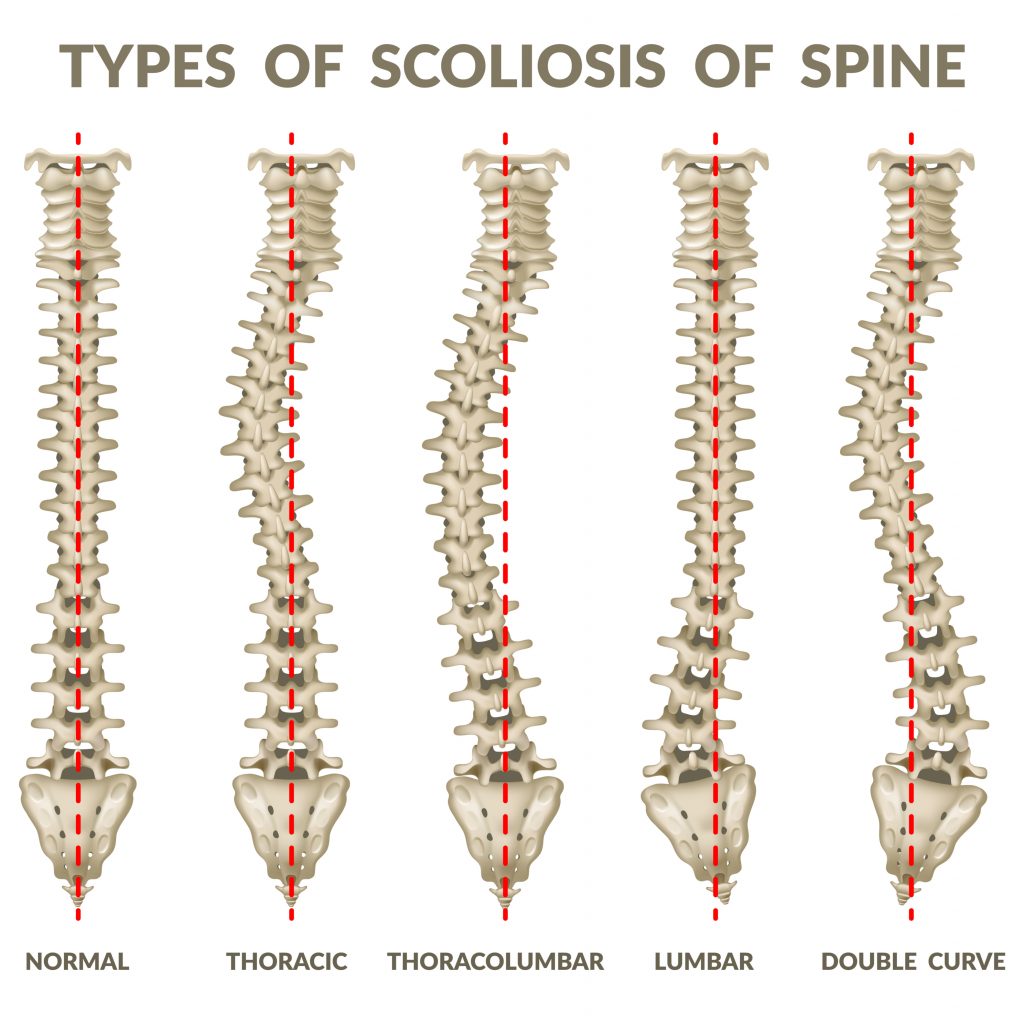
First, it is essential to delineate what scoliosis is. The condition typically emerges during the growth spurts prior to puberty, though it can develop in individuals of any age. The spine can curve in different patterns, including an “S” or “C” shape. Idiopathic scoliosis is the most common type, often without a discernible cause. Other types include congenital scoliosis, which is present at birth, and neuromuscular scoliosis, stemming from conditions such as cerebral palsy or muscular dystrophy. These distinctions shape the experiences and challenges faced by individuals with scoliosis.
When evaluating scoliosis as a disability, it is vital to consider the severity of the curvature. Mild scoliosis, characterized by a curvature of less than 20 degrees, often requires minimal intervention, and many individuals lead completely normal lives. Moderate scoliosis, with curvatures between 20 and 50 degrees, might necessitate monitoring, bracing, or even surgical intervention. Severe scoliosis, where the curvature exceeds 50 degrees, can lead to significant debilitation, impacting various bodily functions and quality of life. Thus, the extent of the condition plays a pivotal role in determining its classification as a disability.
Legal definitions of disability vary by jurisdiction, but they generally encompass a wide spectrum of conditions that impose significant limitations on major life activities. The Americans with Disabilities Act (ADA) offers a broad definition, categorizing a disability as a condition that impairs a person in one or more major life activities. Thus, for scoliosis to be classified as a disability under such frameworks, it must demonstrably hinder one’s ability to perform everyday tasks.
Daily life can be substantially impacted by severe scoliosis. Individuals may experience chronic pain, fatigue, and mobility limitations, which can disrupt various activities ranging from employment to leisure pursuits. As such, severe instances of scoliosis may lead individuals to seek accommodations in the workplace or in educational settings. These accommodations might include modified workstations, flexible hours, or even specific medical leave policies to attend to health needs.
Additionally, the psychological ramifications of scoliosis should not be underestimated. Those affected by this condition may experience body image issues, stigmatization, or even emotional distress. The appearance of a hunched back can provoke anxiety and social withdrawal, exacerbating feelings of isolation. Therefore, the psychological effects can sometimes be just as debilitating as the physical limitations posed by scoliosis.
Healthcare professionals often utilize a series of diagnostic tools to evaluate the severity of scoliosis. These may include physical examinations, X-rays, and in some cases, MRI scans to assess the spine’s curvature and determine the underlying cause. Once diagnosed, a treatment plan is often developed. Options may range from observation and bracing in mild to moderate cases to surgical interventions for severe curvature. The complexity of these treatment modalities reinforces the individualized nature of scoliosis management.
Disability ratings can differ significantly among individuals with scoliosis due to these variations in severity and treatment responsiveness. In some cases, persons with scoliosis may seek a disability rating from relevant authorities, such as the Social Security Administration (SSA) in the United States. The SSA outlines specific medical criteria, including the degree of curvature and associated complications, to determine eligibility for disability benefits. Individuals must present substantial medical evidence supporting how their scoliosis significantly limits their daily functioning.
Furthermore, ongoing advocacy efforts seek to raise awareness about scoliosis and its implications. Some organizations actively campaign for legislative change and accessibility measures, striving to create a societal environment that accommodates individuals with scoliosis. Such initiatives aim to ensure that those affected by the condition receive the support they need, from educational accommodations to employment protections.
In conclusion, the classification of scoliosis as a disability is contingent upon various factors—most notably, the severity of the curvature and its subsequent impact on major life activities. While mild forms may not impede daily functioning significantly, moderate to severe scoliosis can invoke considerable physical and emotional challenges that may indeed meet disability criteria. Understanding these dimensions of scoliosis is crucial for individuals affected by the condition, caregivers, and policymakers, ensuring that all parties can actively engage in conversations around support, advocacy, and the creation of inclusive environments.









Leave a Comment