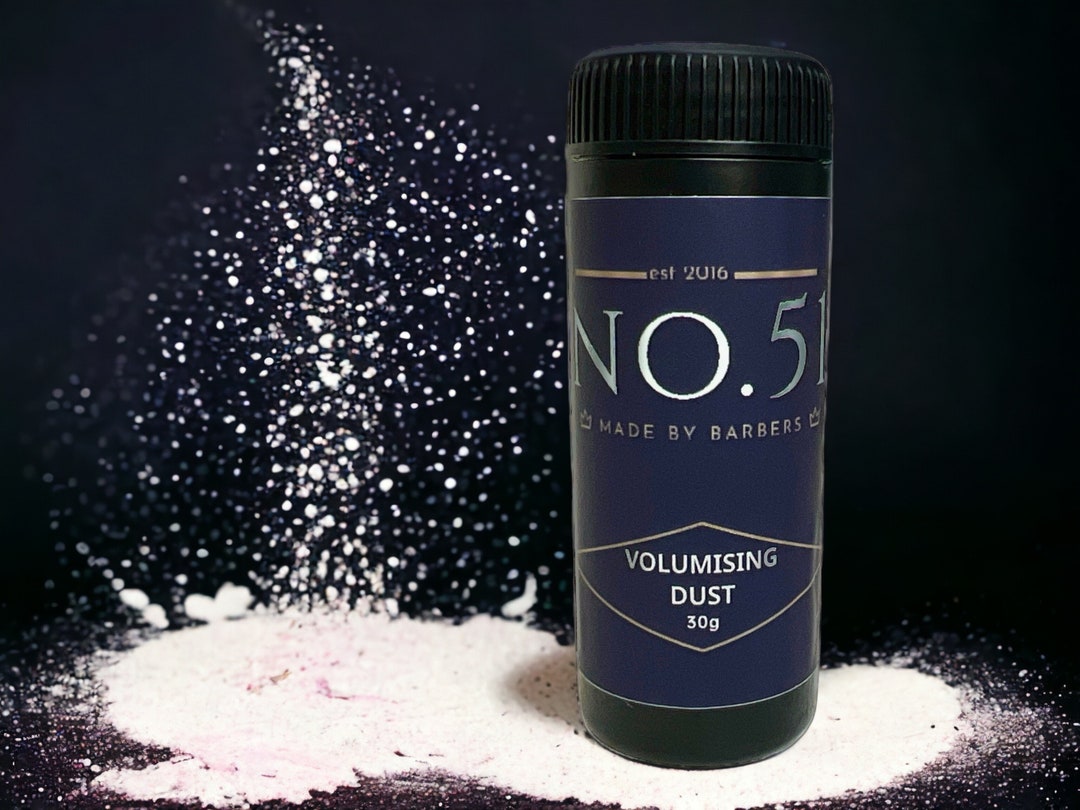
In the world of hairstyling, the allure of texture powder has captivated many individuals searching for that perfect balance of volume and definition. This versatile product, often touted for its ability to create effortlessly tousled waves or an elevated updo, has become a staple in countless beauty routines. However, as fascinating as it may be, a pervasive question persists: is texture powder bad for your hair? To address this inquiry effectively, we must delve into the nuances of texture powder, exploring both its benefits and potential drawbacks.
Initially, let’s dissect what texture powder actually is. Typically formulated from ingredients such as silica and starch, texture powder works by absorbing excess oils and adding a gritty texture to the hair. This dual function makes it a favored choice among those with fine or limp hair, as it creates the illusion of thickness and movement. However, with such acclaim comes scrutiny. The underlying texture powder phenomenon reveals much about our relationship with hair and the lengths we go to achieve our desired aesthetics.
One of the most compelling advantages of texture powder is its ability to enhance volume. For individuals blessed with thin hair, the flatness can often lead to frustration and a lack of styling options. Texture powder offers a quick fix; a simple sprinkle at the roots can create a buoyant lift that elevates even the most lifeless locks. The immediate gratification of achieving fullness cannot be understated, as it often instills a surge of confidence in users. Yet, is this satisfying outcome without repercussions?
While texture powder can deliver substantial volume, it can also lead to a build-up on the scalp and hair shaft. This accumulation occurs when the powdered formula is used excessively or not cleansed properly from the hair. As time progresses, this build-up can manifest into dullness or even diminished hair health, resulting in strands that are less vibrant and more prone to breakage. The shimmering appeal of volume could, paradoxically, lead one down the path of hair distress—highlighting the importance of moderation and mindful product application.
Another consideration when evaluating the potential harm of texture powder lies in its ingredients. The formulation often leverages synthetic components designed to create that coveted grit. While manufacturers strive to balance performance and safety, some individuals may find that their hair or scalp reacts adversely to these substances. Irritation, allergic reactions, or even exacerbation of existing conditions, such as seborrheic dermatitis, can occur. For this reason, it’s imperative to perform patch tests before regular application, especially for those with sensitive skin or scalp conditions.
Moreover, the frequency of use can play a significant role in the overall health of your hair. Texture powder, while beneficial for styling on special occasions, should not be a daily staple. Restricting its use can mitigate potential negative side effects while still allowing for that occasional boost of volume when needed. This thoughtful balance echoes a larger truth about beauty products—they serve as tools to enhance our appearance but should not overshadow the fundamental consideration of overall hair health.
With the focus now shifting towards wellness, it’s essential to consider complementary practices that can support hair vitality. Regular cleansing with a clarifying shampoo can aid in combating product build-up and restoring shine. Additionally, implementing nourishing treatments—such as masks infused with natural oils—can counteract any dryness or brittleness resulting from texture powder usage. Striking a judicious balance allows one to reap the aesthetic benefits without compromising the intrinsic health of the hair.
On a deeper level, the obsession with piling on products, including texture powder, often speaks to society’s broader fixation on beauty and aesthetics. The pursuit of a ‘perfect’ hairstyle can be enchanting. It embodies aspiration, creativity, and even self-expression. However, this fervor can lead to an over-reliance on cosmetic solutions rather than fostering a genuine appreciation for one’s natural hair texture and shape. Embracing the innate beauty of your hair, augmented by the thoughtful use of products like texture powder, can be a more fulfilling approach—one that harmoniously merges artistry with authenticity.
In conclusion, the question of whether texture powder is harmful for your hair does not yield a simple answer. While it provides remarkable benefits in terms of volume and styling versatility, it also bears risks that require careful consideration. Understanding the material aspects, including potential build-up and sensitivity to ingredients, is crucial for informed usage. Ultimately, embracing a holistic approach to hair health alongside the occasional use of aesthetic products can foster not only beautiful hairstyles but also resilient, vibrant hair. Navigate the world of texture powder with awareness, and you may find that you can enjoy its benefits without enduring its drawbacks.









Leave a Comment