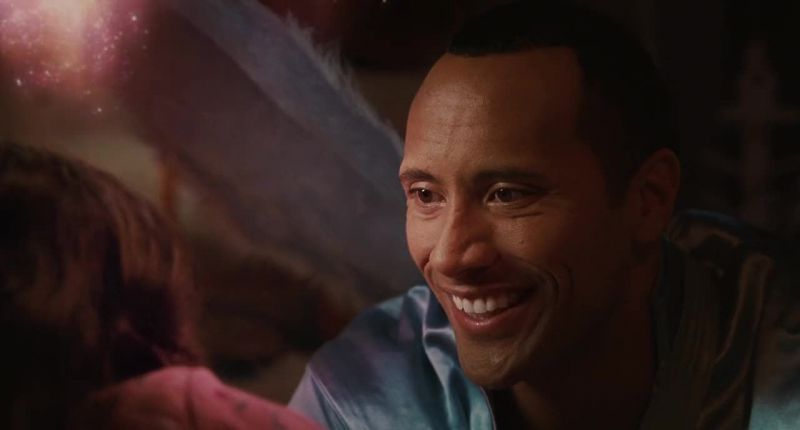
From childhood tales whispered at bedtime to the shimmering coins left under pillows, the legend of the Tooth Fairy has captivated countless imaginations. This fantastical figure serves as a bridge between childhood innocence and the adult world, a symbol that traverses various cultures and traditions. Throughout this exploration, we will delve into the origins, variations, implications, and ultimate truths surrounding the enigmatic Tooth Fairy, while considering the question that plagues many curious minds: Is the Tooth Fairy real?
1. The Origins of the Tooth Fairy Myth
The narrative of the Tooth Fairy traces back to ancient practices concerning the loss of baby teeth. For instance, cultures across Europe and Asia historically celebrated the loss of teeth as a significant milestone in a child’s development. Early Norse and Scandinavian traditions involved burying teeth to protect children from evil spirits, while some believed in tossing them into the fire to ensure strong adult teeth. These folklore practices morphed over time, leading to the creation of the whimsical figure known as the Tooth Fairy.
2. The Tooth Fairy in Various Cultures
The concept of a tooth-collecting entity is not confined to the boundaries of American culture. In Spain and Latin American countries, for example, “Ratoncito Pérez,” a small mouse, is responsible for collecting teeth and leaving gifts in exchange. Similarly, in parts of France and Italy, children adhere to a tradition involving a small mouse—highlighting the global inclination to celebrate the transition from childhood to maturity. Each culture infuses its unique flavor into the tooth-loss ritual, illustrating a universal appreciation for this rite of passage.
3. The Tooth Fairy: A Cultural Phenomenon
The Tooth Fairy phenomenon extends beyond mere folklore; it has become intertwined with economic practices that reflect societal values. In contemporary American households, the Tooth Fairy not only symbolizes the end of childhood innocence but also acts as a subtle reinforcement of financial literacy. The practice of leaving a dollar or two in exchange for a tooth enables children to engage in early discussions about value, currency, and even the concept of saving.
4. The Psychological Impact of the Tooth Fairy
Engaging with the Tooth Fairy can provide crucial psychological benefits for children. This charming narrative can alleviate fears associated with losing teeth. The uncertainty of what happens to their lost teeth transforms into a whimsical adventure, where children can feel they have gained something for the loss rather than enduring just a painful experience. Moreover, the excitement of anticipating a visit from the Tooth Fairy cultivates magical thinking, which is essential for creative development in early years.
5. The Tooth Fairy Economy
Interestingly, the “Tooth Fairy economy” is a fascinating aspect worth examining. According to various surveys, the average monetary gift left under the pillow has steadily increased over the years, reflecting broader economic trends and parental willingness to indulge their children. Some parents even establish rules about how much they will give based on the child’s behavior, using this mythical narrative to teach lessons in responsibility and earning rewards. This playful tact has significant implications on children’s understanding of money management and value.
6. The Debate: Is the Tooth Fairy Real?
The crux of the question remains: Is the Tooth Fairy real? From an empirical standpoint, the Tooth Fairy exists within the realm of make-believe, serving as a delightful creation rather than a tangible entity. Most adults recognize the fiction behind the fairy while unwilling to destroy the magic surrounding the experience for their children. The Tooth Fairy is not merely a figure but a representation of love, care, and the desire to bring joy to a significant developmental milestone.
7. Maintaining the Magic
As children get older, they often begin to question the reality of the Tooth Fairy. For parents, this moment can feel bittersweet. Preserving the allure of the Tooth Fairy can be a delicate balance; some parents choose to encourage the myth while transitioning to a more grounded understanding of the world. Creative strategies can include elaborating on the fairy’s origins or cooking up elaborate tales about her travels and the magical significance of lost teeth.
8. The Legacy of the Tooth Fairy
Regardless of beliefs, the myth of the Tooth Fairy leaves a lasting legacy. It highlights the beauty of storytelling and the importance of shared traditions that bind families together across generations. From small tokens left beneath pillows to the laughter shared over the stories of the whimsical fairy, the Tooth Fairy serves as a gentle reminder of the magic of youth and the rites we celebrate as we journey through life.
Conclusion
The question of whether the Tooth Fairy is real strikes at the heart of childhood wonderment. While tangible evidence may elude us, the essence of the Tooth Fairy dwells within the hearts of those who believe in magic and the joy it brings. Through cultural heritage, economic implications, and psychological benefits, the Tooth Fairy remains a cherished figure that embodies love, tradition, and the endearing spirit of childhood. So whether one views the Tooth Fairy as a literal entity or a cherished symbolic figure, her enchanting presence undeniably enriches the journey of growing up.










Leave a Comment