Unleaded Regular Gas: A Comprehensive Exploration
In the realm of automotive fuel, unleaded regular gas stands as a ubiquitous entity. Its familiar notation at gas stations, often accompanied by vignettes of cars fueling up, belies a complex interplay of chemistry, economics, and environmental considerations. It is taken for granted by many drivers, yet the intricacies that govern its formulation and use captivate those who delve deeper. In the following exploration, we will unravel the nuances associated with unleaded regular gas, addressing common observations, industry practices, and the underlying motivations that fuel its ongoing utilization.
1. Understanding Unleaded Gasoline
Unleaded gasoline, or gasoline without lead additives, is primarily formulated from crude oil. The absence of lead, historically used to improve engine performance, emerged from a growing awareness of its hazardous health implications. As a result, unleaded gasoline became the standard in the automotive industry. This transition was driven by regulatory mandates and technological advancements that allowed for the production of cleaner, more efficient fuels.
2. The Composition of Regular Unleaded Gas
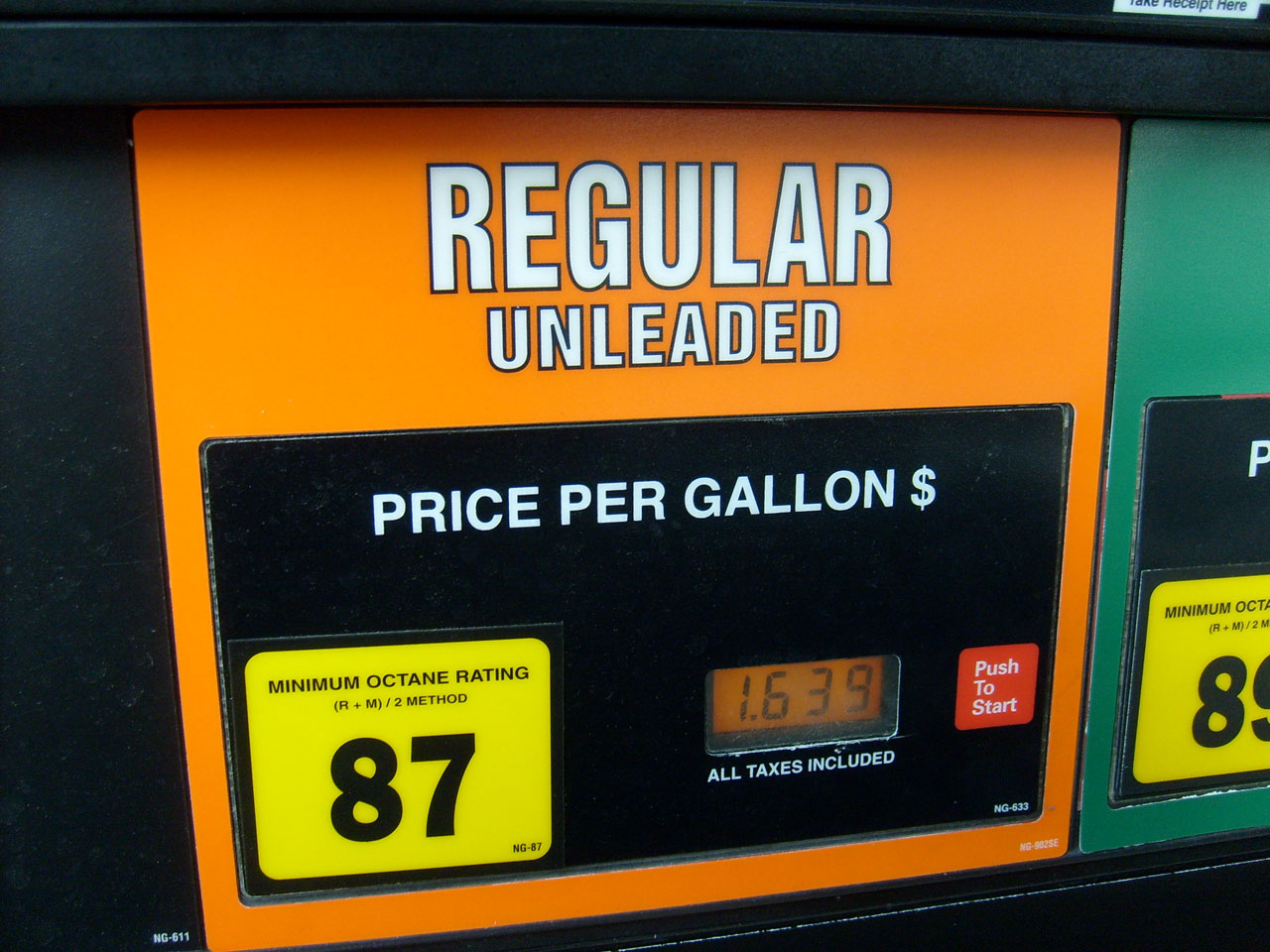
Regular unleaded gas typically contains a blend of hydrocarbons, with octane rating being a crucial characteristic. The octane rating, often around 87 for regular gas, indicates the fuel’s capacity to resist knocking during combustion. This resistance is vital for engine longevity and efficiency. Aside from hydrocarbons, additives such as detergents, antioxidants, and corrosion inhibitors are incorporated to enhance performance, prevent deposits, and ultimately raise the fuel’s overall efficacy.
3. Differentiating Fuel Grades
Fuel is categorized into different grades, with 87 octane being classified as regular unleaded. In contrast, mid-grade and premium fuels possess higher octane ratings, often 89 and 91-93, respectively. The differentiation in octane levels serves distinct engine types and performance requirements. However, the economic implications of selecting a higher grade fuel can also influence consumer choices. Many drivers find themselves at the intersection of performance needs and budget constraints.
4. Economic Considerations: Pricing Dynamics
The pricing of unleaded regular gas is an ever-fluctuating phenomenon, largely dictated by global crude oil prices, geopolitical events, and seasonal demands. During peak travel seasons, demand spikes, often leading to price surges. Conversely, during economic downturns, reduced travel can lead to price declines. Additionally, local market conditions and regulations can significantly impact prices at the pump, leading consumers to become keen observers of fuel economics.
5. Environmental Implications and Innovations
The use of unleaded regular gas is not without environmental consequences. The combustion of gasoline emits greenhouse gases, contributing to air pollution and climate change. In response to these challenges, the industry has seen innovations aimed at reducing emissions. Ethanol blends, for example, are increasingly utilized to enhance the environmental profile of gasoline. While ethanol is a renewable resource, the debate over land use and food production remains a contentious issue.
6. The Role of Government Regulations
Government regulations play a pivotal role in the formulation and sale of unleaded regular gas. Regulatory bodies enforce standards that dictate fuel quality, emissions, and additives. For instance, the Clean Air Act mandates the reduction of volatile organic compounds in fuels. Such regulations aim to mitigate the environmental and public health impacts associated with gasoline consumption, steering the industry toward greener alternatives.
7. The Consumer Perspective: Perceptions and Preferences
From a consumer standpoint, the preference for unleaded regular gas often stems from its widespread availability and affordability. Many drivers perceive it as a reliable and efficient option for their vehicles. However, brand loyalty can also influence purchasing decisions, as various fuel retailers market proprietary additives that claim to enhance performance. The psychology of choice, entwined with marketing strategies, forms a fascinating angle in the gasoline consumption narrative.
8. The Future of Unleaded Gasoline
As the automotive landscape evolves, so too does the future of unleaded regular gas. The advent of electric vehicles poses a significant challenge to traditional gasoline. While the immediate future may still see gasoline as a dominant fuel source, the transition toward sustainable alternatives is becoming increasingly pronounced. Innovations in battery technology, alongside fuel cell advancements, herald a shift that could redefine our transportation paradigm.
9. Conclusion: The Fascination with Fuel
The phenomenon of unleaded regular gas encapsulates more than just a simple automotive fuel; it embodies an intricate tapestry of science, economics, and societal trends. Its omnipresence often fosters a sense of normalcy that belies the complexities beneath the surface. As consumers navigate the multifaceted realm of gasoline, a deeper understanding of its implications may cultivate a more conscientious approach to consumption. While unleaded regular gas continues to fuel countless journeys on the open road, its future remains a dynamic discourse, intertwined with the global pursuit of sustainability and innovation.










Leave a Comment