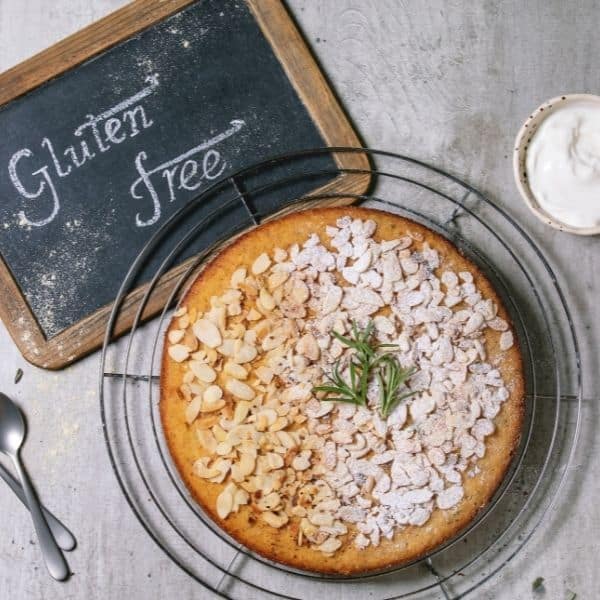
When considering a plant-based diet, many individuals grapple with a myriad of questions. One particularly intriguing conundrum arises: “Is vegan gluten-free?” This question not only nudges the mind but also unfurls a tapestry of dietary considerations, making the intersection of veganism and gluten-free lifestyles a fascinating topic to explore. For those navigating food sensitivities, the challenge lies in deciphering whether a vegan diet inherently excludes gluten or if these two concepts can comfortably cohabitate.
To delve into this topic thoroughly, we need to dissect the individual components: what constitutes a vegan diet and, conversely, what gluten actually is. A vegan diet is defined by its complete avoidance of animal products, including meat, dairy, eggs, and even honey. Relishing in a cornucopia of fruits, vegetables, legumes, grains, nuts, and seeds, vegans embrace a lifestyle that champions compassion towards animals and supports environmental sustainability.
On the flip side, gluten is a composite protein found in wheat, barley, and rye. It acts as a binding agent, imparting elasticity to dough and contributing to the chewy texture of breads and pastas. For some, consumption of gluten can spark adverse reactions—most notably among individuals with celiac disease or gluten sensitivity, who can experience severe gastrointestinal distress. Thus, while naturally gluten-free foods exist within a vegan framework, it’s crucial to scrutinize processed vegan products that might contain gluten.
Now, let’s unravel the complex relationship between veganism and gluten. First and foremost, it’s essential to recognize that not all vegan foods are gluten-free. For instance, bread made from wheat flour, a staple in many vegan diets, contains gluten. Similarly, numerous commercial vegan snacks, desserts, and prepackaged meals often utilize wheat as a primary ingredient. This poses a significant challenge for those who wish to maintain both a vegan and gluten-free lifestyle.
So, how can one enjoy a balanced vegan diet while being mindful of gluten? Here are several strategies to navigate the nuanced intersection of these dietary lifestyles:
- Embrace Whole Foods: A surefire strategy is to focus on whole, unprocessed foods. Fruits, vegetables, nuts, seeds, and legumes are inherently gluten-free and brim with nutrients. By prioritizing these foods, individuals can create delicious and satisfying meals without the hidden risks that processed products may pose.
- Explore Gluten-Free Grains: There is an abundant array of grains that are not only gluten-free but also plant-based. Quinoa, millet, brown rice, and buckwheat (which is, despite its name, not related to wheat) can serve as stellar alternatives. Incorporating these grains into meals can provide vital energy and variety to a vegan diet without the fear of gluten.
- Read Labels Scrupulously: The modern food landscape is replete with vegan products that might be contaminated with gluten or contain glutenous ingredients. Vigilantly reading labels is paramount in discerning what’s safe to consume. Look for products explicitly labeled as “gluten-free,” which ensures they meet strict standards.
- Experiment with Gluten-Free Flours: In the realm of vegan baking, opting for gluten-free flours can open a world of culinary possibilities. Almond flour, coconut flour, and chickpea flour are excellent substitutes for traditional wheat flour, enabling the creation of delicious baked goods without compromising dietary restrictions.
- Meal Prep with Intention: Take the time to plan and prepare meals in advance to avoid the pitfalls of spontaneous eating, which often leads to gluten-laden choices. By prepping meals focused on whole and gluten-free foods, one can ensure a successful vegan, gluten-free dietary experience.
- Consult with a Nutritionist: If confusion reigns supreme, enlisting the help of a nutritionist can provide clarity. These professionals can guide dietary planning, ensuring that all nutritional requirements are met while adhering to both vegan and gluten-free standards.
While the prospect of integrating a vegan and gluten-free lifestyle may seem daunting at first glance, it undeniably presents an opportunity for creativity in the kitchen. The challenge lies not only in knowing what to avoid but also in discovering delicious alternatives that are both nutritious and satisfying. By adopting thoughtful strategies and being meticulous about ingredient choices, a flourishing vegan and gluten-free diet can not only be attainable but also remarkably enjoyable.
In conclusion, the question of whether veganism is synonymous with being gluten-free elicits both curiosity and concern. The intersection of these two diets may pose challenges, yet it also provides a canvas for culinary exploration. For those wishing to traverse this complex terrain, understanding the distinctions between vegan and gluten-free options is vital. By embracing whole foods and utilizing gluten-free alternatives, it’s possible to thrive in a dietary framework that honors both ethical and health considerations. As one embarks on this journey, the rewards—culinary creativity and enhanced well-being—are well worth the effort.







Leave a Comment