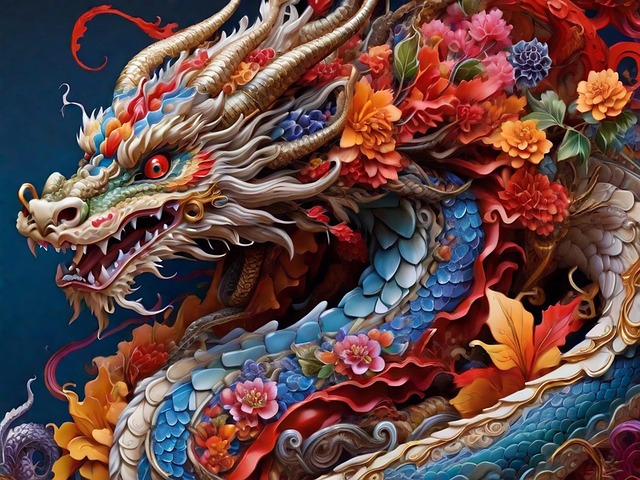
Dragons have long captured the imagination across various cultures, embodying both the majestic and the menacing. Among the most prominent representations are the Japanese and Chinese dragons, each steeped in rich mythology and symbolizing different ideals. While both dragons share some characteristics, they diverge significantly in appearance, symbolism, and cultural significance. This in-depth exploration will illuminate these complexities, showcasing how these creatures encapsulate the cultural essence of their respective societies.
1. Origins and Cultural Context
The roots of dragons in China extend back thousands of years to the Neolithic period, where they were associated with water and weather deities. Emerging as symbols of imperial authority, the Chinese dragon represents strength, power, and good fortune. Conversely, Japanese dragons trace their lineage back to Chinese influence but have evolved to signify different virtues, often embodying traits like wisdom, protection, and the power of transformation. This divergence illustrates the unique embodiment of cultural values within each society.
2. Appearance and Characteristics
Chinese dragons, or “long,” are often depicted with elongated bodies, resembling snakes adorned with antler-like horns. They typically possess five claws, a number associated with the highest rank in the imperial hierarchy. Their scales glisten with vibrant colors, signifying their divine lineage. In contrast, Japanese dragons, such as the “ryū,” tend to exhibit a more serpentine form, often with three claws. Their bodies, though long, are frequently depicted in a sinuous posture, evoking a sense of fluidity and elegance that aligns with Japanese aesthetics.
3. Symbolism and Meaning
The symbolism of dragons in China is deeply intertwined with notions of auspiciousness. They are viewed as benevolent beings that wield control over rain, rivers, and seas, making them vital for agrarian societies dependent on water. In Japan, however, dragons are often perceived through a more nuanced lens. While they also embody water and weather, they additionally symbolize the duality of existence, reflecting both benevolent and malevolent aspects. This complexity is a testament to the philosophical depth inherent in Japanese culture.
4. Roles in Mythology
Chinese mythology brims with tales of dragons, such as the legendary “Yellow Emperor” Huangdi, who is said to have transformed into a dragon, signifying the intertwining of divinity with sovereignty. The famous “Dragon Gate” myth emphasizes the idea of aspiration and perseverance, where a carp that leaps over the Dragon Gate transforms into a dragon, epitomizing success and transformation. In Japan, dragons inhabit the folklore surrounding sacred sites and gods. One notable figure is Ryujin, the dragon god of the sea, who symbolizes the importance of aquatic life and agriculture through his control of rainfall and sea creatures.
5. Cultural Representation in Art and Literature
In art, Chinese dragons are grand and elaborate. They often grace imperial architecture, dance during festivals, and appear in scroll paintings that narrate their heroic deeds. These artistic representations capture their fierce nature and majestic beauty, underscoring their revered status. Japanese dragons, on the other hand, are frequently portrayed in a more understated manner, harmonizing with nature. Traditional ukiyo-e prints depict them alongside cherry blossoms and koi fish, focusing on serenity rather than sheer ferocity. This dichotomy reflects the differing philosophies of beauty within Chinese and Japanese art forms.
6. Modern Interpretations
In contemporary culture, both dragons continue to inspire literature, cinema, and even fashion. In China, the dragon emerges as a symbol of national pride, prominently featured during celebrations such as the Lunar New Year. Its image evokes unity and collective strength. In Japan, dragons have transitioned into the realm of manga and anime, bringing ancient lore into modern storytelling. They are often woven as characters that challenge heroes or guide them, emphasizing moral lessons akin to their historical roles.
7. Spirituality and Festivals
Dragons hold an esteemed place in the spiritual practices of both cultures. Chinese New Year festivities often feature dragon dances, believed to bring good luck and prosperity. The vibrant performances harness the dragon’s mythical power, captivating audiences and invoking blessings for the year ahead. In Japan, dragon-themed festivals are less frequent but carry significant cultural weight. Events such as the Ryujin Matsuri celebrate the dragon god, highlighting rituals that pay homage to the sea and its bounty—an essential aspect of Japanese life.
8. Conclusion
The juxtaposition of Japanese and Chinese dragons reveals not only the divergence in mythical creatures but also the deeper values and philosophies that define each culture. While both dragons evoke awe and admiration, they serve as conduits for the respective aspirations and beliefs of the people. From their distinct appearances and roles in mythology to their manifestations in art and festivities, the elegance and power of these mythical entities showcase the intricate tapestry of human cultural expression. Whether as emblems of virtue, guardians of nature, or symbols of transformation, the dragons of Japan and China will continue to fascinate and inspire generations to come.











Leave a Comment