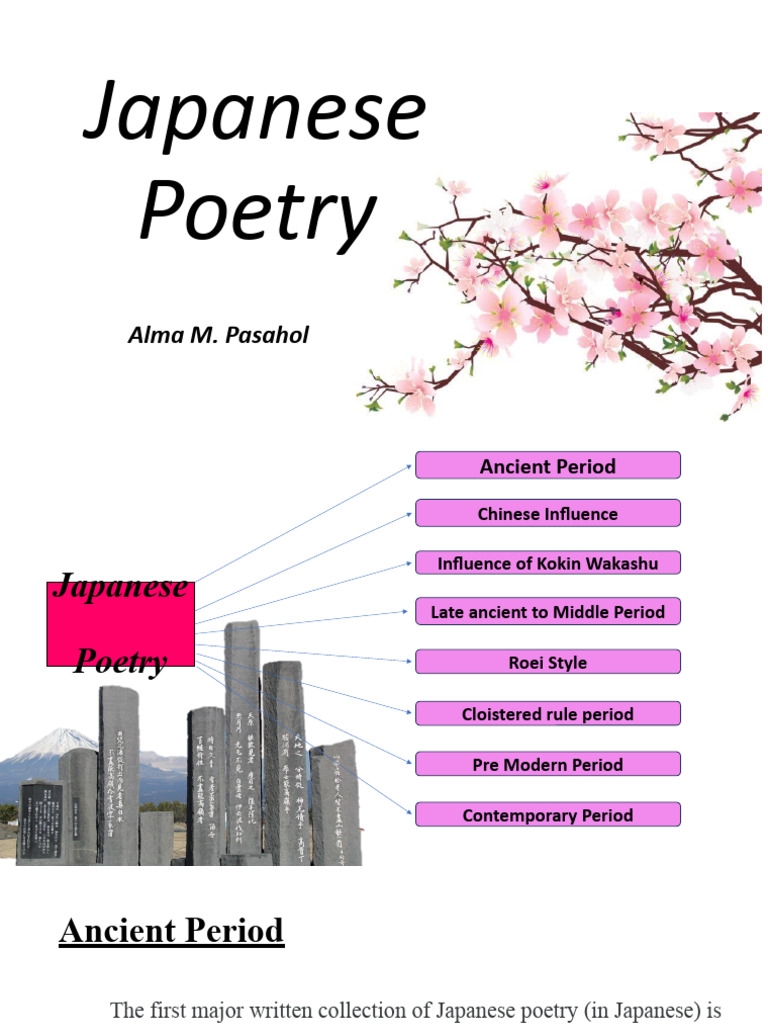
Japanese poetry, with its intricate structure and profound depth, is a cultural gem that captivates both literature enthusiasts and casual readers alike. The allure of this art form lies not only in its aesthetic beauty but also in its ability to encapsulate emotions, experiences, and the ephemeral nature of life. This article delves into the different facets of Japanese poetry, exploring its historical significance, forms, thematic richness, and enduring influence on both Japanese culture and the global literary landscape.
At its essence, Japanese poetry is a mirror reflecting the intricate relationship between humanity and nature. It elegantly intertwines the physical world with the emotional and spiritual realms. The historical genesis of Japanese poetry can be traced back to the Nara period (710–794), culminating in the classical works of the Heian period (794–1185). During these epochs, poets began to embrace and articulate feelings related to the changing seasons, love, spirituality, and the transient nature of existence. It is within this delicate interplay that one finds the enduring fascination with Japanese poetic forms.
The most renowned forms of Japanese poetry are haiku, tanka, and renga. Each of these forms presents unique structural characteristics and aesthetic principles, making them intriguing both in composition and interpretation.
1. Haiku
Perhaps the most recognizable Japanese poetic form, haiku, consists of 17 syllables, traditionally structured in a 5-7-5 pattern. This brevity compels poets to distill their thoughts into a few concise lines, often evoking the essence of a season or a poignant moment. A quintessential aspect of haiku is the use of kigo (seasonal words) that situate the poem within a specific time of year. Through the careful selection of imagery, haiku transcends mere description, inviting readers to experience the moment vicariously.
The simplicity of haiku belies its profound philosophical underpinnings. Many haiku evoke a sense of mono no aware, a Japanese concept conveying the beauty of transience. This awareness fosters a deep appreciation for the fleeting nature of beauty and existence, establishing a connection between the reader and the poet that transcends time.
2. Tanka
Tanka, another vital form of Japanese poetry, extends the elegance of haiku by incorporating a total of 31 syllables, arranged in a 5-7-5-7-7 format. This expanded structure allows for a more nuanced exploration of complex emotions and relatable experiences. Historically, tanka has served as a medium for personal expression and communication, with poets often exchanging verses as a way of deepening relationships.
Thematically, tanka often reflects love, longing, and the interplay of nature and human emotion. For example, a tanka poem might contrast the beauty of cherry blossoms with the bittersweet specter of love lost. This lyrical juxtaposition fosters a rich tapestry of sentiments, enabling readers to immerse themselves in the poet’s world while simultaneously drawing parallels to their own experiences.
3. Renga
Renga is a collaborative poetic form consisting of a series of linked verses, traditionally alternating between 5-7-5 and 7-7 syllable counts. This form became particularly popular during the collaborative poetry parties of the Muromachi period (1336–1573). Each participant contributes to an ongoing dialogue through their verses, encapsulating shared themes or diverging perspectives in a communal creative endeavor.
The communal aspect of renga reflects a unique social dynamic, inviting poets to engage in a literary conversation that is both spontaneous and organic. The interplay between individual voices and collective themes creates an intricate web of meanings, often exploring profound concepts such as unity, impermanence, and the human condition.
4. Thematic Richness
The thematic essence of Japanese poetry is steeped in the exploration of nature, human emotions, and the impermanence of life. Nature serves as a prominent motif, often employed not merely as a backdrop but as an active participant in the emotional landscape of the poet. The cyclical transitions of the seasons compel poets to reflect on themes of renewal, loss, and nostalgia.
Additionally, the exploration of individual emotions—love, sorrow, joy—dances hand in hand with nature’s transient beauty, elevating the poetry to a level that resonates deeply with readers from all walks of life. The universality of these themes, rendered through the lens of Japanese sensibilities, creates an intimate connection between the poet and the audience.
5. Enduring Influence
The influence of Japanese poetry extends far beyond its national borders. As the world becomes increasingly interconnected, the global fascination with haiku, tanka, and renga has proliferated, inspiring poets from diverse cultures to experiment with these forms. The simplicity and depth of Japanese poetry encourage writers to explore their own experiences and emotions in relation to nature, fostered by the brevity and precision of expression.
Moreover, the incorporation of Japanese poetic aesthetics into contemporary literature and art reflects an ongoing dialogue between cultures, enriching the literary landscape with a fusion of perspectives. This amalgamation of styles and influences ensures that the spirit of Japanese poetry remains vibrant and relevant, transcending geographical and temporal boundaries.
In conclusion, Japanese poetry stands as a profound testament to the artistry of language, the complexity of human emotions, and the beauty of the natural world. Its historical evolution, coupled with its intricate forms and thematic richness, continues to captivate and inspire. Through the lenses of haiku, tanka, and renga, poets and readers alike are invited to engage in an age-old conversation about existence, fostering a deeper understanding of not only the poetry itself but also of the human experience. This enduring fascination with Japanese poetry is a reflection of its ability to resonate universally while maintaining its unique cultural identity.









Leave a Comment