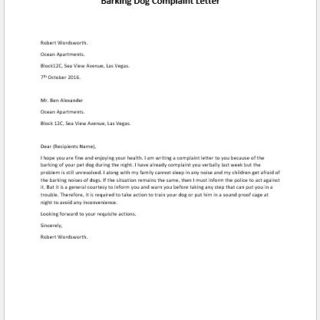
Addressing an issue with a neighbor can be a daunting task, especially when it involves something as personal as a barking dog. Dogs, often cherished members of our families, can inadvertently create disturbances that disrupt the tranquility of our living environments. It is crucial to approach this situation with a balance of tactfulness and clarity, allowing for an opportunity to foster understanding rather than resentment. This article serves as a comprehensive guideline for crafting a letter to your neighbor regarding their dog’s barking, ensuring your message is conveyed thoughtfully and effectively.
1. Begin with a Friendly Greeting
Starting your letter on a cordial note sets a positive tone for what follows. Use a friendly salutation, such as “Dear [Neighbor’s Name],” to establish a sense of familiarity. Emphasizing goodwill is essential; after all, you live in close proximity and should aim to maintain a harmonious relationship.
2. Provide Context and Specificity
Next, articulate the specific issue at hand. It is important to be both clear and respectful as you describe the problem. For instance, “I have noticed that your dog has been barking quite frequently, particularly during the evening hours.” Being specific helps your neighbor understand the timing and nature of the disturbances, allowing them to see your perspective.
3. Express Empathy
It’s vital to acknowledge that dogs bark for various reasons—excitement, anxiety, or even environmental stimuli. Demonstrating empathy can pave the way for a more constructive conversation. You might say something like, “I understand that dogs bark to communicate, and it’s perfectly natural.” This recognition indicates to your neighbor that you appreciate their pet’s instinctual behavior while still addressing your concern.
4. Explain the Impact on You
Outline the repercussions of the barking on your daily life. Be detailed yet diplomatic about how the disturbance affects you and your household. For example, “The barking has made it challenging for me to concentrate while working from home, and it often disrupts our family’s evening routine.” By noting the impact, you help your neighbor comprehend the seriousness of the situation without portraying it as an exaggerated complaint.
5. Suggest Possible Solutions
Offering constructive solutions can transform a potentially confrontational dialogue into a collaborative discussion. Suggest options that could alleviate the barking, such as, “Have you considered some training techniques that could help minimize the barking, or perhaps a more structured schedule for your dog?” This provides actionable steps and demonstrates your willingness to find a mutually beneficial resolution.
6. Maintain a Positive Outlook
Encourage an optimistic perspective by assuring your neighbor that you believe the situation can improve. Phrases like, “I am confident we can work this out,” or “I appreciate your understanding in this matter” can significantly enhance the letter’s tone. A positive attitude fosters cooperation and openness to dialogue.
7. Invite a Conversation
After outlining your concerns and proposed solutions, extend an invitation for a conversation. Communicating face-to-face can sometimes yield results that written words cannot. You might write, “I would appreciate the opportunity to chat about this in person at your convenience.” This demonstrates your willingness to engage constructively and shows that you value their input on the matter.
8. Closing with Graciousness
Conclude the letter graciously. A simple “Thank you for your understanding” can go a long way in reinforcing goodwill. Close with a warm sign-off such as “Sincerely” or “Best regards,” followed by your name. This polite closure brings the letter full circle, reinforcing the spirit of community.
9. Consider Timing and Delivery
Reflect on the timing and method of delivery for your letter. It may be more tactful to wait for a moment of tranquility, ensuring the neighbor is more receptive to your concerns. Mailing the letter or placing it in their mailbox can be effective, though dropping it off in person allows for immediate dialogue, should they be inclined.
10. Reflect on the Outcome
After delivering your letter, remain patient and open-minded regarding your neighbor’s response. Outcomes may vary; sometimes, a simple conversation can yield positive results, while on other occasions, it may take time for them to address the issue. Be prepared to have follow-up discussions if necessary, reinforcing a continued commitment to resolving the concern amicably.
In conclusion, addressing a neighbor’s barking dog through a thoughtfully crafted letter not only opens the door for communication but also reinforces the bonds of community. By being clear, empathetic, and constructive in your approach, you can foster understanding and cooperation. Remember that your goal is not just to alleviate the nuisance caused by the barking, but to strengthen the shared sense of neighborhood harmony, encouraging a peaceful coexistence for everyone involved.









Leave a Comment