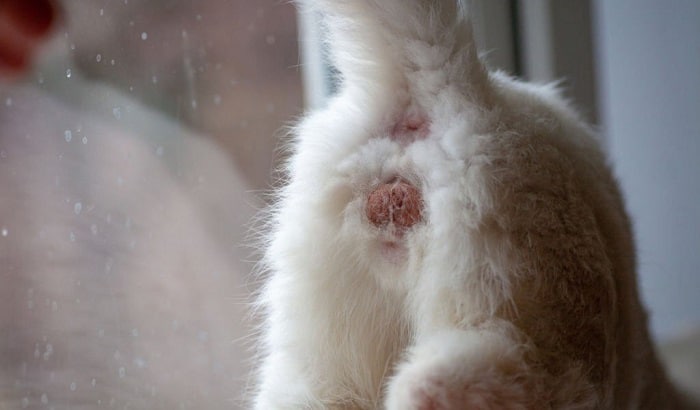
When contemplating the well-being of your feline companion, one often encounters the pivotal decision of neutering male cats. But what truly transpires before and after this procedure? Many pet owners wonder: how will neutering impact my cat’s behavior, health, and overall quality of life? As you ponder this question, consider the potential challenge that lies ahead; the adjustment period can be as crucial as the surgery itself.
Understanding the nuances of a male cat’s life before and after neutering requires a closer examination of various elements, from behavioral changes to health benefits. In this comprehensive guide, journey through the multifaceted considerations surrounding neutering and unveil the transformations that await your beloved pet.
1. The Pre-Neutering Stage: Understanding Behavior
Prior to neutering, male cats often exhibit certain instinctual behaviors influenced by their hormones. These behaviors can include:
- Territorial Marking: Male cats tend to spray urine as a means of marking territory. This behavior can lead to tensions with other animals and is often inconsistent with household harmony.
- Aggressive Tendencies: Hormonal influences may amplify aggression levels, provoking confrontations with other pets or even humans.
- Roaming Instinct: Unneutered males are more prone to wander in search of potential mates, exposing themselves to various dangers outside the home.
These territorial, aggressive, and exploratory tendencies indicate the importance of addressing behavioral patterns that might disrupt domestic harmony.
2. The Health Aspect: Risks and Benefits
Looking beyond behavioral changes, neutering offers notable health benefits. Before the procedure, male cats face a number of potential health risks, including:
- Testicular Cancer: This malignancy can develop if the cat remains unneutered, as the testes become increasingly at risk over time.
- Prostate Problems: Conditions such as benign prostatic hyperplasia can arise, leading to complications that affect quality of life.
- Increased Lifespan: Statistical evidence suggests that neutered cats often enjoy longer, healthier lives, significantly reducing health-related concerns typically associated with unaltered males.
Cognizance of these risks provides a compelling case for neutering, foregrounding the importance of veterinary intervention in safeguarding your cat’s health.
3. The Neutering Procedure: What to Expect
The neutering process itself is relatively straightforward and involves the surgical removal of the testicles under general anesthesia. While the procedure is typically quick, pet owners should be prepared for:
- Pre-Operative Consultation: Your veterinarian will conduct a thorough examination, evaluating your cat’s health and addressing any concerns.
- Recovery Time: Post-surgery, your cat will require a period of rest and careful monitoring as they recuperate from anesthesia.
- Pain Management: Discuss with your veterinarian about potential pain control protocols, ensuring your cat’s comfort during recovery.
Understanding these procedural aspects can help alleviate anxiety about the surgery, empowering you to be a supportive caregiver during this transition.
4. Post-Neutering: Observational Changes
Once the procedure is complete, many pet owners eagerly await the behavioral and health transformations—will my cat truly settle down? Generally, the following behavioral shifts occur:
- Reduced Aggression: Many cats experience a noticeable decrease in aggressive behavior over time, creating a more peaceful home environment.
- Diminished Spraying: The inclination to mark territory via spraying typically diminishes, promoting cleanliness in your living space.
- Decreased Wandering: Neutered cats show a lowered tendency to roam, thereby diminishing exposure to outdoor dangers.
While these changes often manifest within several weeks, each cat exhibits unique responses, with some adjustments being more pronounced than others.
5. Potential Challenges: Adjusting to New Dynamics
Alongside the many benefits, paying attention to potential challenges is essential in this transformative journey:
- Obesity Risk: Neutering can lead to metabolic changes, making it imperative to monitor diet and exercise to prevent weight gain.
- Behavioral Variability: Changes may not occur overnight. Some cats may continue to exhibit certain strategies for coping with previous behaviors.
- Emotional Attachment: Bonding post-surgery may require additional patience as your cat adjusts to their new self and associated behaviors.
Anticipating these hurdles allows pet owners to approach the post-neutering period with foresight and preparedness.
6. Final Thoughts: The New Normal
So, as you contemplate the decision of neutering your male cat, reflect on the positive transformations he may undergo. From behavioral modifications to health benefits, the aftereffects of neutering can significantly enhance his quality of life. Yet, remain vigilant of the adjustments your furry friend may face following the operation. With your support, patience, and a finger on the pulse of his evolving needs, this new chapter can grow into a rewarding experience for both of you.
In conclusion, understanding the before and after of neutering is crucial. It equips a pet owner with the knowledge necessary to navigate the complexities of feline behavior and health. As you embark on this journey, remain committed to fostering a nurturing environment that facilitates a smooth transition for your beloved companion.










Leave a Comment