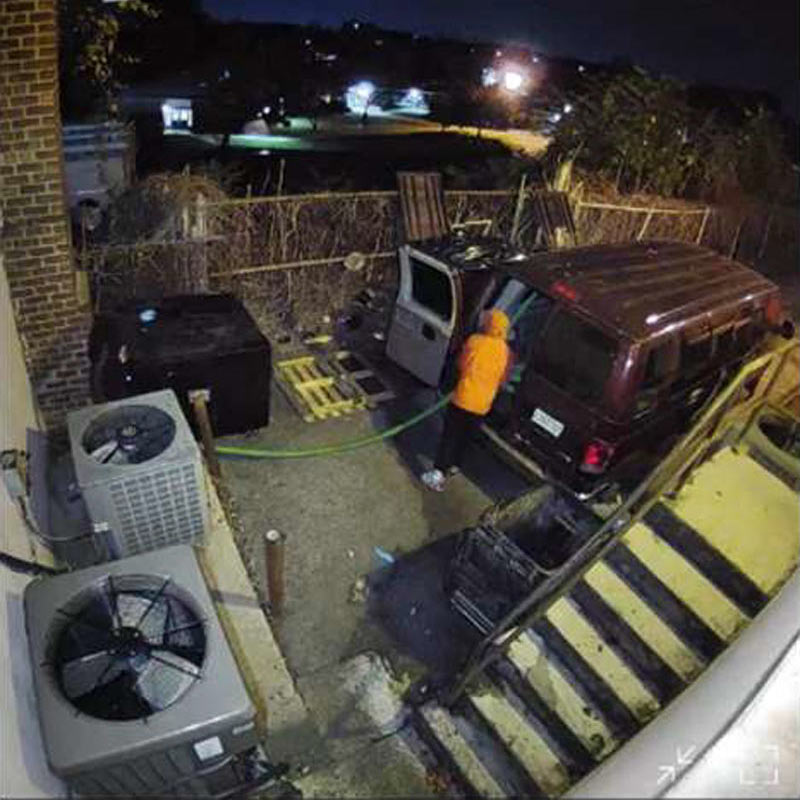
In the mining industry, the theft of diesel fuel is a pervasive issue that can lead to significant financial losses and operational disruptions. As such, addressing this challenge with effective solutions is paramount for maintaining productivity and safeguarding assets. This article delves into various aspects surrounding diesel theft in mining, highlighting multifaceted strategies for prevention, detection, and intervention that can be employed to mitigate this issue.
Understanding the Problem
Diesel theft in mining operations often occurs due to the sheer volume of fuel stored on site and the isolated nature of many mining locations. The high value of diesel fuel in the market makes it a prime target for thieves. Understanding the motivations and methods of theft is critical for developing robust preventative measures. Criminals may employ various tactics, from siphoning fuel from storage tanks to intercepting transport vehicles. By comprehensively understanding these behaviors, mining companies can better anticipate and thwart such actions.
1. Enhanced Security Infrastructure
Implementing a fortified security infrastructure is an essential foundational step in combating diesel theft. This includes both physical and technological enhancements.
- Perimeter Fencing: Robust fencing around fuel storage areas can deter unauthorized access, thereby creating a formidable physical barrier against thieves.
- Lighting: Adequate illumination not only enhances visibility but also acts as a deterrent; well-lit areas are less appealing to potential criminals.
- Video Surveillance: The integration of closed-circuit television (CCTV) cameras provides real-time monitoring capabilities and acts as a deterrence. Place cameras strategically to cover all critical areas, including storage tanks and loading zones.
2. Fuel Management Systems
Employing advanced fuel management systems can substantially reduce the risk of theft by enabling accurate monitoring of fuel usage and inventory levels.
- Automated Tracking: Utilize IoT-enabled sensors to keep track of fuel levels in storage tanks. This real-time visibility allows for immediate action should discrepancies arise.
- Access Controls: Implement keycards or biometric systems to restrict access to fuel storage areas, ensuring only authorized personnel can draw fuel.
- Data Analytics: Leveraging data analytics can uncover patterns in fuel consumption, helping to identify suspicious activities or sudden inexplicable drops in inventory.
3. Staff Training and Awareness
The human element is an integral part of any security strategy. Enhancing staff awareness regarding potential theft scenarios can significantly bolster protection against diesel theft.
- Regular Training: Conduct periodic training sessions that focus on identifying suspicious behavior and understanding the procedures for reporting theft.
- Clear Reporting Mechanisms: Establish accessible channels for workers to report theft or suspicious activities anonymously, thus fostering a culture of vigilance.
- Awareness Campaigns: Launch campaigns that inform employees about the financial and operational implications of diesel theft, ensuring everyone understands the importance of security measures.
4. Tripwire Systems
Utilizing tripwire systems can create a layer of protection that can be crucial in deterring fuel theft.
- Physical Alarms: Installing alarm systems near fuel tanks that trigger alerts when unauthorized access occurs serves as an immediate deterrent.
- Electronic Alerts: Implementing sensors that notify on changes in fuel lines or levels can provide early warnings of theft attempts.
5. Collaboration with Law Enforcement
Building a collaborative relationship with local law enforcement can be pivotal in addressing diesel theft effectively.
- Regular Communication: Maintain regular contact with law enforcement agencies to report theft incidents and gather intelligence about local crime trends.
- Community Programs: Engage in community initiatives aimed at reducing crime in the area, fostering goodwill and cooperation between mining companies and local authorities.
6. Insurance and Financial Strategies
While proactive measures are essential, preparing a reactive strategy can also minimize the impact of diesel theft.
- Comprehensive Insurance Coverage: Ensure that your policy covers theft and damage related to fuel supplies, thus safeguarding your financial interests.
- Cost-Benefit Analysis: Conduct regular analyses to evaluate the efficacy of your anti-theft measures versus the financial losses incurred from theft. This should inform ongoing improvements.
7. Innovative Technology Solutions
As theft techniques evolve, so too must the solutions aimed at combatting them. Embracing innovation can be a game changer.
- GPS Tracking: Equip fuel transport vehicles with GPS devices to monitor their location and movements, enabling rapid response in the event of theft.
- Blockchain Technology: Explore the implementation of blockchain for tracking fuel supply chains. This technology can enhance transparency and make unauthorized removals more detectable.
Conclusion
Combating diesel theft in mining operations requires a multifaceted approach that encompasses physical security, technological solutions, employee training, and collaboration with local law enforcement. By employing a combination of these strategies, mining companies can create a robust defense against fuel theft that not only protects their assets but also fosters a secure and efficient work environment. The implementation of comprehensive measures ensures that disruptions caused by diesel theft are minimized, paving the way for smoother operations and a more profitable future.











Leave a Comment