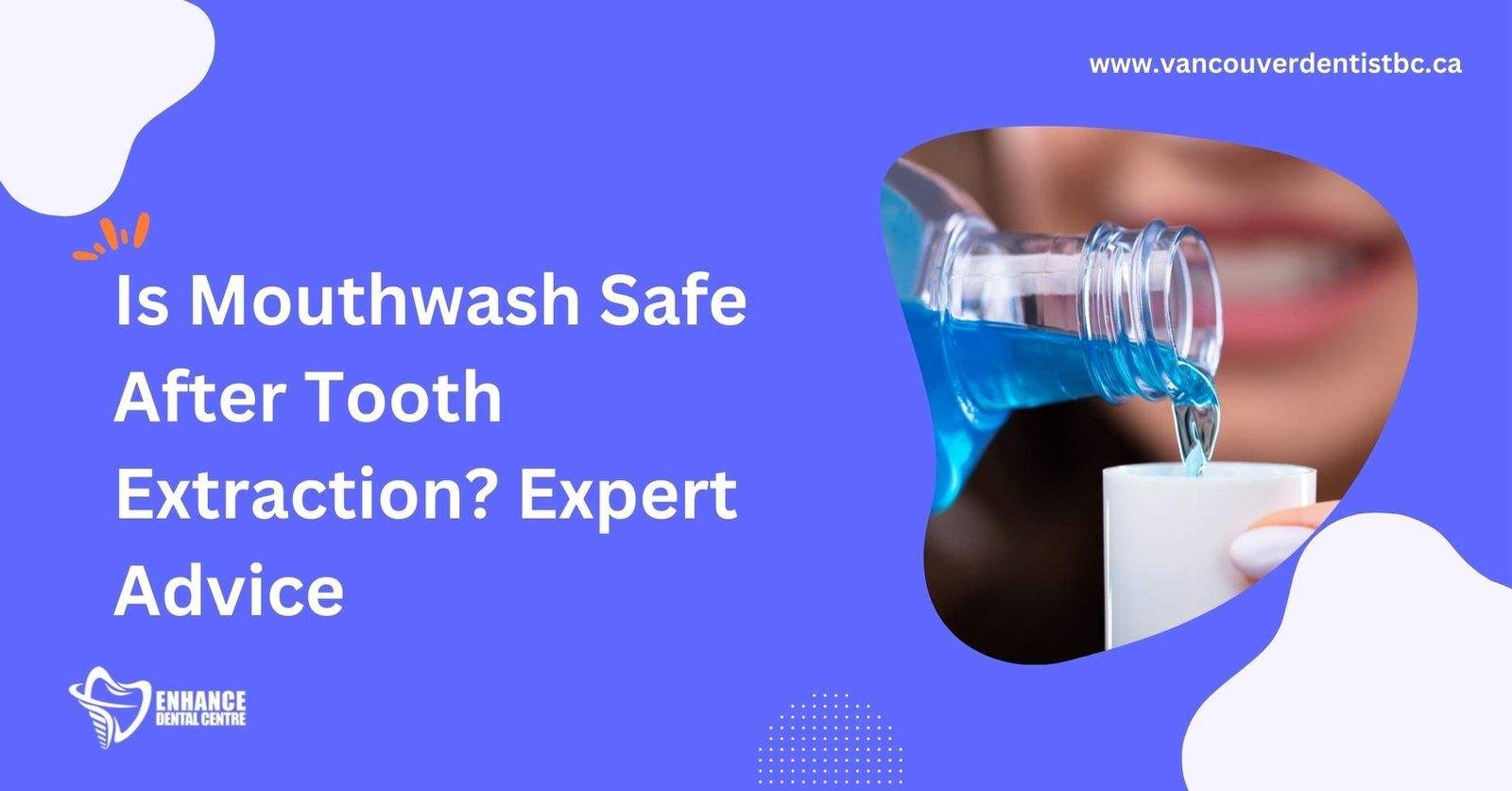
After a tooth extraction, the journey towards recovery begins, marked by a series of critical decisions. One such decision that often surfaces in post-operative discussions is whether or not to use mouthwash. It’s a question that might tease your curiosity: can using mouthwash after tooth extraction be a refreshing solution for oral hygiene, or could it inadvertently complicate your healing process? This article delves into the intricacies of mouthwash usage after dental surgery, shedding light on both the benefits and potential pitfalls, ensuring you are well-equipped for your post-extraction care.
To understand the role of mouthwash in your recovery, it’s essential to first explore the nature of tooth extraction itself. This procedure typically leaves a healing socket, which is susceptible to infection and other complications if proper care isn’t maintained. The mouth, a veritable battleground for bacteria, must be kept clean and free from debris, so the question arises: how can mouthwash fit into this delicate ecosystem?
The primary purpose of mouthwash is to sanitize the oral cavity, eliminating harmful bacteria and providing a fresh burst of cleanliness. Many hygiene enthusiasts rely on mouthwash to reinforce their daily dental routine. However, following a dental extraction, especially during the initial healing phase, the mouth’s environment is notably different. The following sections explore the best practices regarding mouthwash use and highlight why your approach must be cautiously considered.
1. Wait Before You Gargle
Post-extraction guidelines typically advocate a waiting period before introducing mouthwash into your routine. Immediately after surgery, your dentist may advise against rinsing your mouth altogether to prevent dislodging the blood clot that forms in the socket. Disruption of this clot can lead to a painful condition known as dry socket.
It’s generally recommended to wait at least 24 hours before using mouthwash. This delay allows for the initial stages of healing to occur uninterrupted. Once the critical first day has passed, you may cautiously integrate a gentle rinse into your oral hygiene regimen.
2. Choose Wisely: The Type of Mouthwash
When considering mouthwash options post-extraction, not all formulations are created equal. Alcohol-based mouthwashes, while often effective at eradicating bacteria, can be overly harsh for a healing mouth. The alcohol content might cause irritation to the sensitive tissues surrounding the extraction site.
Opt instead for an alcohol-free mouthwash that boasts antibacterial properties—preferably one enriched with soothing ingredients such as aloe vera or chlorhexidine. These can help to cleanse the mouth while promoting healing rather than hindering it.
3. Gentle Rinsing: Technique Matters
After a tooth extraction, even the act of rinsing demands a new level of finesse. Instead of vigorous swishing, which could disturb the healing process, gentle rinsing is advisable. Use a small amount of mouthwash mixed with water, if desired, and let it softly circulate in your mouth before allowing it to drain away. A non-aggressive approach minimizes the risk of reopening the extraction site.
4. Time Your Rinses
Scheduling your mouthwash rinses with precision is another integral facet of post-extraction care. It’s wise to allow your mouth a break from rinsing immediately after meals. Instead, consider waiting at least 30 minutes after eating to ensure that any food particles are dislodged without compromising the healing site. Adequate time between rinses also allows the beneficial effects of the mouthwash to take hold without interference.
5. Attention to Symptoms
As you begin to reintroduce mouthwash into your oral hygiene routine, remain vigilant for any unusual symptoms. While it is normal to experience some swelling and discomfort, an increase in pain or signs of infection—such as pus, persistent bad breath, or fever—should prompt immediate consultation with your dentist. These symptoms may indicate that your mouthwash choice or rinsing technique isn’t conducive to your healing.
6. Alternatives to Mouthwash
If you’re hesitant about using mouthwash, fear not! There are alternative options that can effectively maintain your oral hygiene without the risks associated with mouthwash. Gentle saline rinses, comprised of warm water mixed with a small amount of salt, can offer an effective and soothing way to cleanse the mouth.
You might also consider herbal rinses made from chamomile or sage, both known for their anti-inflammatory properties. These natural solutions can provide relief and a gentler means of keeping your mouth clean during the healing period.
Conclusion: A Balancing Act
In conclusion, employing mouthwash after a tooth extraction is undeniably a balancing act, one that requires careful thought and attention. The eagerness to maintain oral hygiene must be tempered with the understanding of your mouth’s unique healing needs. By allowing time for healing, selecting the right mouthwash, and employing a gentle technique, you can navigate the delicate terrain of post-extraction care successfully. Ultimately, the goal is to ensure a smooth recovery while safeguarding your overall oral health, paving the way for a brighter and more comfortable tomorrow.









Leave a Comment