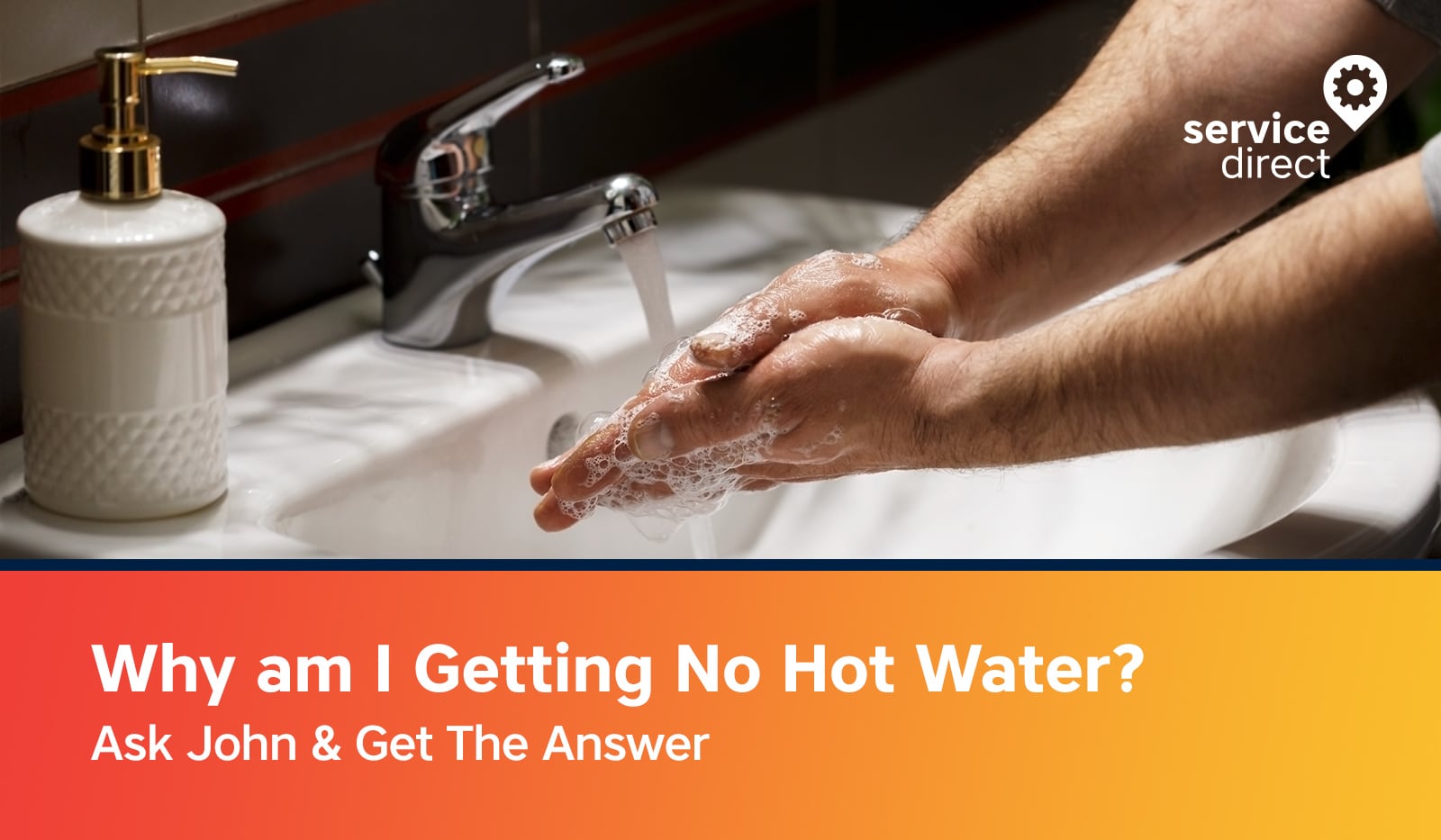
Experiencing a lack of warm water in your home can be an unsettling annoyance, prompting an instinctual quest for answers. The sensation of stepping into a cold shower or struggling to fill a bathtub with tepid water can evoke not just frustration but also a sense of unease. As we investigate this commonplace yet often overlooked inconvenience, we unravel the intricacies that may lie beneath the surface, revealing a tapestry of potential causes and solutions.
1. Understanding Water Heating Systems
To appreciate the absence of warm water, it is essential to comprehend how water heating systems function. Most households utilize either tank-based water heaters, which store and heat a predetermined volume of water, or tankless systems, which heat water on demand. Each system has unique attributes influencing efficiency and output. A thorough understanding of these systems is integral to diagnosing issues related to warm water accessibility.
2. The Anatomy of Common Problems
When warm water eludes you, the first step is identifying the symptoms. Perhaps the flow is intermittently lukewarm or the water runs cold entirely. These variations can offer clues about the underlying issues. For instance, a tank-based system experiencing sediment buildup can lead to diminished heating efficiency. Conversely, a malfunctioning thermostat can render even the most advanced systems ineffectual.
3. Potential Causes of No Warm Water
Several culprits can inhibit the availability of warm water in your home. It’s crucial to explore these possibilities comprehensively:
- Thermostat Malfunction: A compromised thermostat can lead to improper temperature regulation. If the thermostat fails to signal the heating elements to activate, chilly showers become inevitable.
- Heating Element Failure: In electric water heaters, heating elements may exhaust their lifespan, leading to a complete cessation of warmth. Regular inspections can preempt this issue.
- Pilot Light Issues: For gas water heaters, a blown-out pilot light can halt the heating process. Ensuring the pilot light is operational is a simple yet essential measure.
- Leaks or Temperature Loss: Any leaks in the plumbing can contribute to significant temperature drops, impacting the water before it even reaches the tap. Equally, poorly insulated pipes may prompt rapid heat loss.
- Alternatively, a User Overload: When numerous appliances simultaneously draw hot water, such as washing machines, dishwashers, or multiple showers, the system may become overwhelmed, leading to insufficient warm water availability.
4. Investigative Steps to Diagnose the Issue
Identifying the precise reason behind your lukewarm water may require a systematic approach:
- Inspect the Heater: Begin with a visual inspection of your water heater. Look for leaks around the base or any signs of corrosion.
- Check Temperature Settings: Ensure that your heater’s temperature setting is adequate. Generally, water heaters should be set between 120°F and 140°F for optimal performance.
- Attempt a Reset: For electric water heaters, sometimes a simple reset can recalibrate systems and restore functionality.
- Consider Professional Help: If initial checks do not reveal the issue, it may be prudent to consult a qualified technician. Their expertise can save time and mitigate further complications.
5. Preventive Measures
Once the source of your warm water dilemma is identified, consider implementing measures to prevent future occurrences:
- Routine Maintenance: Schedule regular maintenance checks for your water heating system. A technician’s assessment can extend the life of the equipment.
- Insulation: Insulating pipes can significantly reduce heat loss, ensuring that water reaches the tap at the desired temperature.
- Flush the System: Periodically flushing your water heater can eliminate sediment buildup, optimizing performance and efficiency.
6. Understanding Emotional Responses
Beyond the technical aspects, the lack of warm water can resonate on a deeper emotional level. Insights into the role of comfort and safety in our lives unveil profound societal reflections. In modern culture, where warm showers and relaxing baths signify solace and rejuvenation, their absence can provoke unsettling feelings of vulnerability and loss. The warmth of water often parallels a sense of emotional well-being and security, making the instinctual response to its absence more powerful than might be anticipated.
7. The Broader Implications
On a larger scale, the issue of warm water may reflect broader conversations about energy consumption and sustainability. As households strive for efficiency and eco-friendliness, examining water heating solutions becomes paramount. Tankless systems, solar energy utilization, and hybrid options emerge as sustainable alternatives, encouraging proactive discussions about energy conservation and responsible resource management.
In conclusion, the phenomenon of experiencing no warm water in your home serves as a microcosm for broader themes that intertwine the practical with the philosophical. By understanding the technical workings of your water heating system, diagnosing potential problems, and embracing preventive measures, you can restore warmth and comfort to your daily routine. Reflecting on the emotional responses and societal implications of this commonplace inconvenience transforms a merely irritating experience into an opportunity for thoughtful engagement and deeper understanding of the interplay between comfort, technology, and sustainability.








Leave a Comment