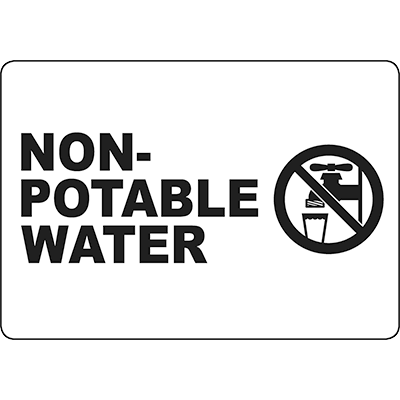
Water is a vital resource, intricately woven into the fabric of our lives, yet not all water is created equal. The term “non-potable water” sparks curiosity for many and opens a conduit to deeper inquiries regarding its significance and applications. It elicits thoughts of safety, sanitation, and environmental stewardship. This article delves into the meaning of non-potable water, exploring its characteristics, various sources, treatment methods, and potential uses, all while considering the broader implications for society and the planet.
Defining Non-Potable Water
Non-potable water is defined as water that is unsuitable for human consumption. This categorization arises from the water’s failure to meet specific safety standards, ensuring it is free from pathogens and harmful chemicals. The term pertains not only to water that appears visibly contaminated but also to water that, while seemingly clean, may harbor invisible threats to health and wellness. Understanding this is crucial, as the distinction between potable and non-potable water influences various sectors, including agriculture, industries, and urban planning.
Characteristics of Non-Potable Water
To grasp the concept of non-potable water more thoroughly, we can examine its characteristics. Non-potable water may possess:
- Microbial Contamination: The presence of bacteria, viruses, and other pathogens can render water unsafe for drinking.
- Chemical Pollutants: Non-potable water may contain heavy metals, pesticides, or industrial pollutants that compromise safety.
- Salinity: Water from certain sources, such as seawater or brackish water, might have higher salt concentrations, making it unsuitable for consumption.
- Physical Contaminants: Sediment, debris, and organic matter can also indicate non-potable water.
This understanding underscores the idea that the mere appearance of water is inadequate for determining its potability; comprehensive testing is crucial.
Sources of Non-Potable Water
Recognizing where non-potable water originates is pivotal in addressing environmental and public health concerns. Major sources include:
- Municipal Wastewater: Effluents from households, businesses, and industrial sites often contain contaminants and require treatment before being deemed safe.
- Groundwater: Aquifers may harbor pollutants from agricultural runoff or industrial discharge, rendering them non-potable.
- Surface Water: Rivers, lakes, and ponds may contain diverse contaminants from both natural and anthropogenic sources.
- Stormwater Runoff: Rain can wash various pollutants into local waterways, leading to non-potable conditions.
This list is not exhaustive but illustrates the complexity of non-potable water sources and emphasizes the need for vigilant management.
Water Treatment Methods
Transforming non-potable water into a usable resource generally requires treatment to eliminate contaminants. Various methods exist, including:
- Filtration: Physically removing particulates using various filter materials is often the first step in treatment.
- Chlorination: Adding chlorine or chlorine compounds can disinfect water, killing pathogens that compromise safety.
- Reverse Osmosis: This advanced technique pushes water through semi-permeable membranes, effectively removing impurities and dissolved solids.
- Biological Treatment: Utilizing microorganisms to break down organic matter is an eco-friendly method often employed in wastewater treatment facilities.
Each treatment method brings its advantages and limitations, requiring careful consideration based on the specific contaminants present.
Utilization of Non-Potable Water
Despite its unsuitability for drinking, non-potable water can be utilized in a myriad of ways, effectively conserving potable water supplies. Some common applications include:
- Agricultural Irrigation: Utilizing treated wastewater for irrigation can augment water supplies without compromising food safety, provided rigorous safety measures are implemented.
- Industrial Processes: Many industries require water for cooling, cleaning, and process uses that do not necessitate potable water quality.
- Landscape Irrigation: Non-potable water can support landscaping and recreation areas, contributing to sustainability in urban planning.
- Flushing Toilets: Using non-potable water for toilet flushing reduces the demand for drinking-quality water, a practice gaining prominence in many areas.
This versatility reinforces the notion that non-potable water can contribute meaningfully to resource management strategies, highlighting its potential as an asset rather than merely a liability.
Conclusion
The concept of non-potable water presents a fascinating panorama of challenges and opportunities. By understanding its characteristics, sources, treatment methods, and various uses, we can appreciate the intricate dance between water quality and public health. As we confront growing pressures on water resources, recognizing the value of non-potable water may become increasingly essential. It urges a deeper examination of our practices and policies, advocating for innovative solutions that prioritize both human health and environmental integrity. The journey involves not only science and engineering but also a collective commitment to sustainability and responsible stewardship of our most precious resource.











Leave a Comment