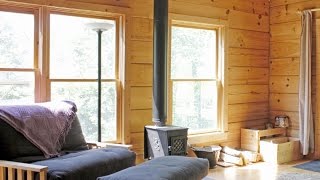
As our modern lives become increasingly frenetic, the allure of a serene retreat in nature captivates many. A one-bedroom cabin comes to symbolize simplicity, tranquility, and the ability to reconnect with oneself and the environment. This guide delves into the intricacies and possibilities of one-bedroom cabin plans, offering insights for those envisioning their sanctuary in the woods, by a lakeside, or nestled within the mountains.
1. The Appeal of One-Bedroom Cabins
The charm of one-bedroom cabins lies in their intimate scale. Stripped back from the complexities of larger abodes, these compact structures promise a form of harmony not often found in sprawling homes. They exhibit a sense of coziness, encouraging inhabitants to engage deeply with their surroundings. Imagine starlit nights spent by a crackling fire, or lazy afternoons sipping a warm beverage on a sun-drenched porch. These moments become invaluable assets, treasures of solace amidst nature.
2. Designing with Purpose
When embarking on crafting a one-bedroom cabin, consider how the design complements your lifestyle and vision. Focus on architectural styles that resonate with your aesthetic sensibilities—be it rustic charm with exposed beams and log cabin materials or a more modern design with clean lines and expansive windows. Prioritize functional layouts that ensure the space maximizes both comfort and utility. A well-placed window can unveil breathtaking vistas while simultaneously inviting the mellow embrace of natural light.
3. Optimizing Space
In a one-bedroom cabin, every square foot is invaluable. Embrace ingenious storage solutions to maintain a pristine and uncluttered environment. Built-in shelves, under-bed storage boxes, and multi-purpose furniture allow for an all-encompassing, harmonious living space. Moreover, consider a lofted sleeping area if ceiling height permits. This not only adds architectural interest but also creates an open and airy feel. Curate a thoughtful balance between empty spaces and functional spaces, fostering a tranquil ambience conducive to relaxation.
4. Interior Inspirations
The interior of your cabin should reflect a balance between warmth and practicality. Opt for wooden finishes that exude charm and warmth while incorporating modern amenities. Embrace a color palette that mirrors nature—think soft greens, earthy browns, and gentle blues. Textured textiles add layers of comfort; prioritize soft throws, plush rugs, and inviting cushions. Lighting plays a pivotal role, too; consider a combination of natural light sources and strategically placed fixtures that enhance mood and create intimate environments.
5. Sustainable Practices
As the planet’s caretakers, considering eco-friendly practices in cabin construction is imperative. Embrace sustainable materials, such as reclaimed wood, which not only add character but also minimize ecological footprints. Incorporating green energy solutions, like solar panels or wind turbines, can lead to decreased reliance on outside resources. Additionally, a thoughtfully executed rainwater collection system can enhance self-sufficiency while nurturing a commitment to environmental stewardship. This aligns modern aesthetics with a conscious approach to living.
6. Outdoor Living Spaces
A one-bedroom cabin extends beyond its walls into the embrace of nature. Cultivating outdoor living spaces amplifies the joy of being in a natural setting. A porch or deck can serve as an idyllic location for al fresco dining or contemplative moments over a good book. Fire pits become communal gathering spots, inviting laughter and storytelling as the sun sets. Creating pathways leading to firewood storage, garden beds, or scenic lookout points enhances the overall experience, seamlessly blending indoor and outdoor life.
7. Personalizing with Touches
The beauty of space transitions from an architectural blueprint to a lived experience through personal touches. Infuse your cabin with elements that tell your story—family photographs, travel mementos, or locally sourced artwork. Each piece can foster a sense of belonging and evoke cherished memories, creating a tapestry of experiences within the sanctuary’s walls. Consider incorporating local flora into your decor, bringing an ever-changing landscape indoors while promoting biodiversity.
8. Planning for Future Needs
Anticipating how your future plays into your cabin design can allow for enduring satisfaction. In the dynamic nature of life, flexibility becomes paramount. Modular designs can accommodate evolving needs—like expanding to welcome guests or families. Develop your plans with the understanding that life changes, and a one-bedroom cabin can grow alongside those transitions, perhaps offering room for a larger extension or even a second floor down the line, should the need arise.
9. The Emotional Connection
Ultimately, a one-bedroom cabin serves as more than just a physical structure; it becomes a vessel for experiences, memories, and respite. Regularly connecting with nature fosters emotional well-being, encourages mindfulness, and cultivates a sense of purpose. Every inch of your cabin can elicit joy, tranquility, and inspiration. This emotional connection transforms it from a mere retreat into a haven where the heart finds solace and the spirit rejuvenates.
Conclusion
The journey into designing or choosing a one-bedroom cabin invites excitement and reflection. It challenges you to question how space can influence your relationship with nature, yourself, and those you hold dear. Embracing the essential elements of design and sustainability while personalizing your cabin ensures that it becomes a sanctuary finely tuned to your essence. Let curiosity guide you as you explore every possibility—it might lead you to reimagine your life in a newfound perspective of purpose and tranquility.











Leave a Comment