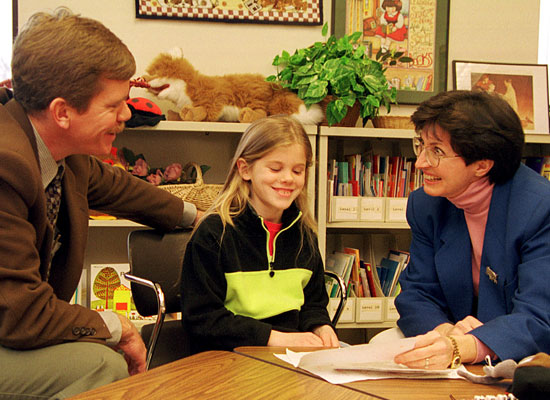
In the realm of education, there exists a unique phenomenon where the roles of student and parent intertwine, creating a fascinating dynamic. Parents who were once students bring with them a wealth of experiences, perspectives, and nuances that shape their approach to parenting and involvement in their children’s education. This article explores various aspects of this topic, providing insights into the connections and implications of this dual role.
As educators, when we encounter parents who have crossed the threshold of our classrooms, we often find ourselves in the midst of a rich tapestry of shared experiences. These parents bring a retrospective lens to their involvement in their children’s learning, underpinned by their memories as students. The following sections delineate different types of content readers can expect surrounding the phenomenon of parents who were once students.
1. The Impact of Shared Experiences
Parents who were once students often possess a distinctive understanding of the educational system. They may express nostalgia or even critique based on their own experiences. Understanding these shared experiences can foster empathy between educators and parents. Parents who have faced similar challenges, triumphs, or aspirations tend to be more engaged in their children’s schooling, making them powerful allies in educational endeavors. Their memories of academic rigor or camaraderie can drive them to advocate for changes they deem necessary based on what they witnessed in their formative years.
2. Generational Knowledge Transfer
When parents transition from the role of students to that of caregivers, they carry with them a repository of knowledge, beliefs, and practices cultivated during their own education. This generational knowledge transfer can manifest in various ways; parents often aspire to replicate the aspects of their schooling they found beneficial while seeking to shield their children from deficiencies they encountered. This duality generates a multifaceted approach to their children’s education, bridging old paradigms with contemporary needs. Here, educators can leverage this intrinsic motivation by communicating openly with parents about their children’s curricula and pedagogical techniques.
3. Navigating Educational Changes
The educational landscape is in perpetual flux, with new methodologies and technologies altering the way knowledge is imparted. Parents who were once students may grapple with these changes—be it the advent of digital learning platforms or progressive teaching methodologies. Their nostalgia for traditional learning might conflict with modern practices, potentially leading to resistance or misunderstanding. It becomes crucial for educators to provide clarity and transparency about these changes, enabling parents to articulate their concerns effectively while remaining engaged in their children’s educational journey.
4. Empowering Parent-Teacher Collaboration
Parents who were previously students often possess an intrinsic understanding of the teacher-student dynamic. This comprehension makes them predisposed to participate more actively in parent-teacher conferences and school events. Educators can cultivate this eagerness by encouraging collaborative initiatives, enabling parents to channel their experiences into constructive feedback. Such partnerships can generate an enriching environment where both teachers and parents converge to champion their mutual aim: the success of the students. Consider establishing workshops or forums where parents can share their insights while learning from current pedagogical trends.
5. Emphasizing the Importance of Growth Mindset
Many parents aspire to instill a growth mindset in their children, often drawing from their own experiences of perseverance in the face of challenges. Educators can tap into this intrinsic motivation by implementing strategies that promote resilience in students. By acknowledging the trials that these parents faced as students, schools can create a supportive atmosphere where current students feel empowered to embrace challenge and learn from failure. Sharing stories of resilience fosters a culture of tenacity, reminding students that setbacks can be powerful learning opportunities.
6. Fostering Lifelong Learning
Parents who were students often advocate for the importance of lifelong learning—an ethos that transcends academic success. This belief can ripple through families, creating environments that rejoice in curiosity and exploration. Educators should capitalize on this sentiment by encouraging parents to partake in learning activities alongside their children. Family workshops, book clubs, or shared projects can fortify this philosophy, enabling a home culture that prioritizes knowledge and discovery. The symbiotic nature of parent-child learning experiences can solidify the notion that education does not cease at school; it is a lifelong endeavor.
7. Rethinking Educational Engagement Models
The engagement levels of parents who were once students can differ significantly from those who did not share the same experiences. This demographic may be more amenable to involvement due to their familiarity with the academic environment. Educators can harness this eagerness by redesigning engagement models to suit their insights. For instance, creating pathways for these parents to contribute to school events or curriculum discussions can stimulate a sense of community and investment in student outcomes. Allowing their voices to enrich the educational framework ultimately cultivates a nurturing ecosystem for all students.
In conclusion, the dynamic relationship between educators and parents who were once students is nuanced and multifaceted. As both groups navigate the complexities of educational paradigms, there lies a significant opportunity for collaboration and understanding. By fostering open dialogues and promoting shared experiences, educators can transform the educational landscape, creating a cohesive community focused on the growth and well-being of every student. Embracing this unique interplay not only enriches the academic experience but catalyzes a profound sense of belonging among all stakeholders—students, parents, and educators alike.











Leave a Comment