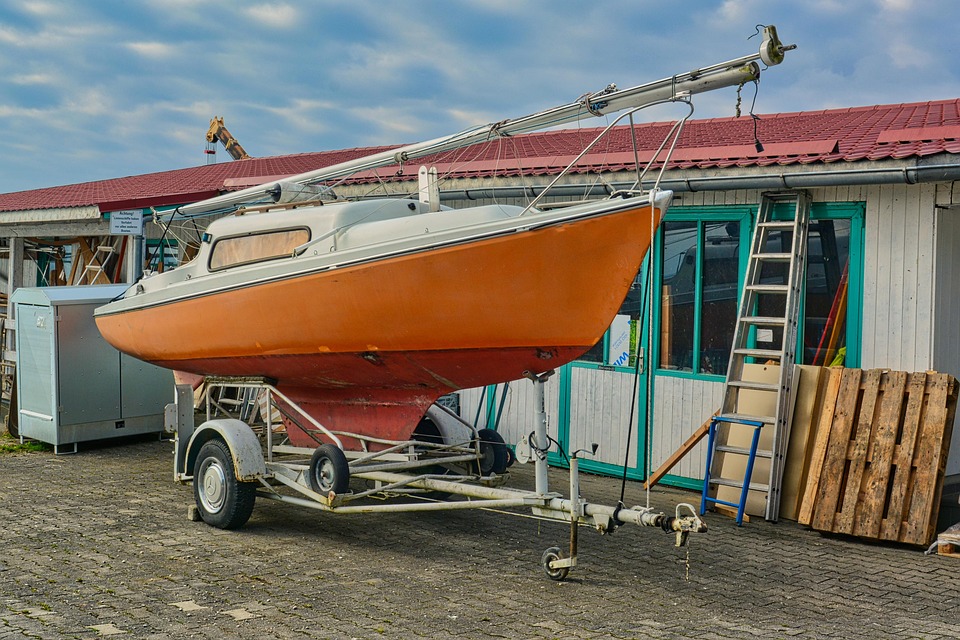
Owning a boat is often synonymous with freedom—the freedom to roam the open seas, fish in tranquil waters, or simply relax while the sun sets on the horizon. However, the joy of boat ownership is frequently tempered by the logistical conundrum of finding an appropriate parking spot for your beloved vessel. A careful examination of the myriad options available reveals not only practical solutions but also an opportunity for introspection and strategizing. This article delves deep into the facets surrounding parking your boat, promising to illuminate the path forward and perhaps even transform your perspective on the matter.
1. Understanding Your Needs and Lifestyle
Before settling on a parking spot for your boat, it’s imperative to introspect upon your specific needs and lifestyle. Are you a weekend sailor seeking a temporary dock, or do you envisage a more permanent arrangement for year-round storage? Map out your boating habits—consider factors such as how often you set sail, the type of boat you possess, and your budgetary constraints. This preliminary step will lay the foundation for making an informed choice and guiding you to suitable options tailored to your unique circumstances.
2. Types of Boat Parking Solutions
The variety of boat parking solutions can feel overwhelming at first glance. However, categorizing them into distinct types simplifies the decision-making process. Here are the primary options:
- Marinas: These are comprehensive facilities equipped with docks and other amenities. Marinas often provide monitored storage, water access, and maintenance services. While they may require a hefty fee, the convenience may outweigh the cost for many boaters.
- Dry Storage: An excellent choice for protecting your vessel from harsh weather conditions. Typically, boats are stored on racks within a secure facility. Dry storage significantly reduces the wear and tear associated with prolonged exposure to the elements.
- Private Docks: If you’re fortunate enough to possess waterfront property or have access to a friend’s dock, this option allows for unparalleled convenience. Consider establishing a formal agreement regarding usage and responsibilities.
- Self-Storage Units: An increasingly popular solution, self-storage facilities can accommodate boats, particularly smaller vessels and trailers. This is a budget-friendly alternative but may lack direct water access.
- Remote Storage Yards: For those who don’t need immediate water access, remote storage yards present an economical choice. These facilities are dedicated to boat storage but usually require the boat owner to transport the vessel to and from the water.
3. Evaluating Location and Accessibility
Location is a quintessential factor in your parking arrangement. Examine the proximity of your desired facility to your home and the water. A convenient location minimizes transport time and enhances spontaneity in your sailing plans. However, accessibility is equally critical—ensure that the parking solution provides safe, easy access to launch your boat without hassles. During peak boating season, congestion can complicate access. Therefore, consider scouting the area, especially on weekends, to gauge traffic patterns and accessibility.
4. The Cost Equation
The financial implications of your chosen boat parking solution should be scrutinized thoroughly. Costs can vary widely based on location, season, and type of storage. For instance, marinas tend to boast higher rates than dry storage or private docks. Delve into the various contracts and agreements to identify hidden fees—such as those for launching, retrieval, or maintenance services. Remember, an initially high price may include invaluable benefits such as security, convenience, and amenities that could prove worth the investment.
5. Security and Maintenance Considerations
When deliberating your options, prioritize security measures. Boats are significant investments, meaning safeguarding them is paramount. Reputable facilities will feature surveillance cameras, personnel on-site, or secure entry systems. Additionally, contemplate the maintenance aspects of each storage method. For example, marinas often offer maintenance services, while private or self-storage may require you to manage upkeep independently. Ensuring your boat is stored safely and maintained efficiently will extend its longevity and reliability.
6. Environmental Impact and Local Regulations
As stewards of the maritime environment, boaters have an obligation to consider the ecological impact of their parking choices. Familiarize yourself with local regulations governing boat storage and launch areas. Diverse regions possess distinct environmental guidelines aimed at preserving water quality and protecting marine life. Ensure your chosen method aligns with these regulations to mitigate your environmental footprint and foster sustainable boating practices.
7. Bringing It All Together
Securing the ideal parking spot for your boat is not just a matter of convenience. It reflects a deeper connection between your lifestyle and your love for watercraft. The decision you make today resonates through your future adventures on the open waters. By meticulously evaluating your needs, understanding the various options, and considering aspects like location, cost, security, and environmental impact, you equip yourself to make an informed decision. Each approach offers unique benefits, allowing you to find the perfect harmony between practicality and your passion for boating.
As you embark on this journey, remember that the right parking solution is akin to finding the right harbor for your sailing adventures. With the right foresight and planning, you can ensure that every trip out on the water is as effortless as it is exhilarating. Embrace this pivotal aspect of boat ownership; your journey begins at the dock.









Leave a Comment