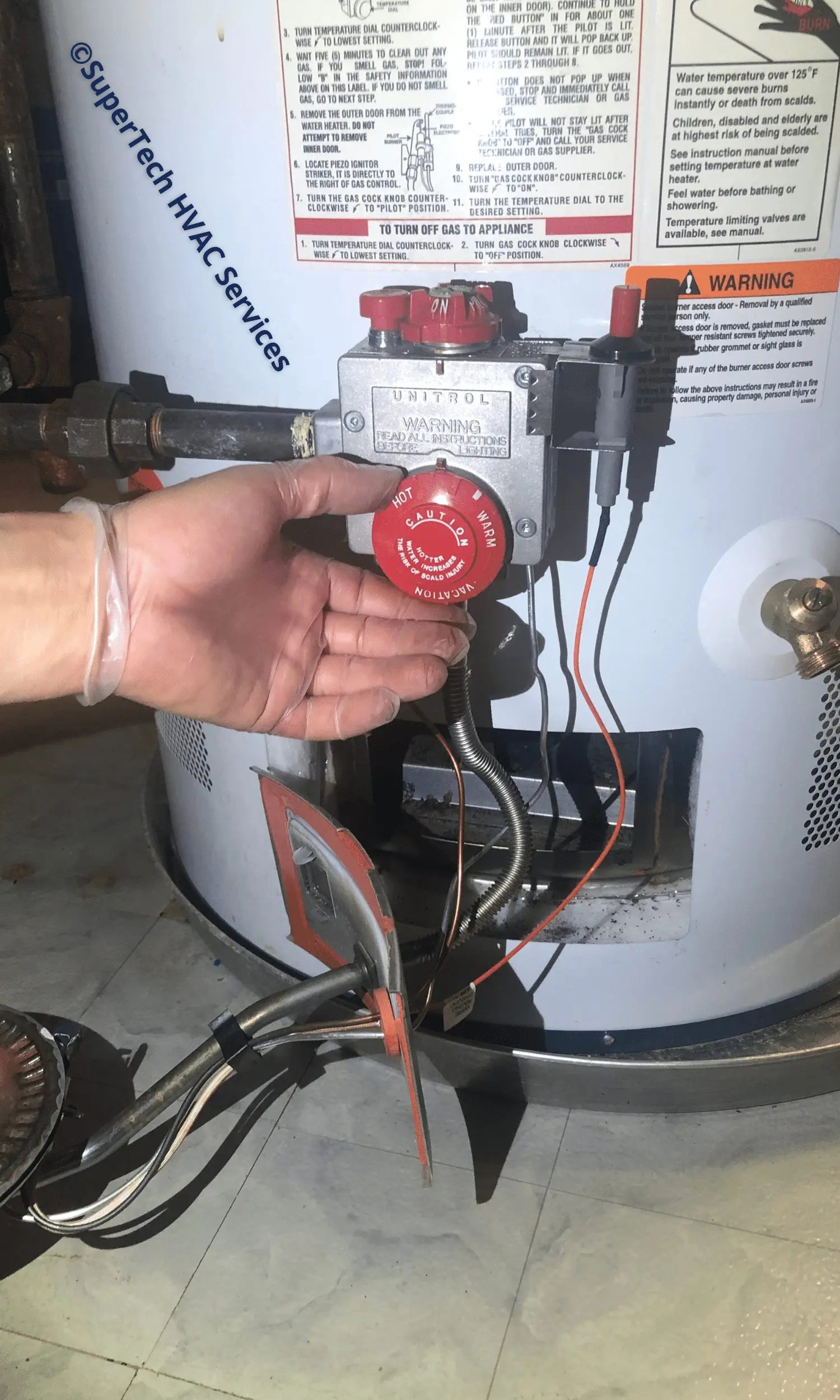
Have you ever been cozily nestled in your living room, the warmth of your home enveloping you, when suddenly your radiator’s gentle hum transforms into an insistent silence? Upon investigation, you discover that the pilot light has extinguished itself once again. This curious and, at times, maddening occurrence can be both perplexing and frustrating. If you’ve found yourself in this position more than once, it’s time to delve into the intricacies of why your pilot light keeps going out. Embracing this knowledge can empower you to take proactive measures, fostering comfort in your living space.
To begin with, it’s essential to understand the fundamental role that the pilot light plays in your heating system. The pilot light is a small flame that ignites the fuel used in your furnace, boiler, or gas appliance. Its seemingly unremarkable job is vital; without it, your home would be a chillier place. However, there are a myriad of reasons why this essential flame might flicker out, prompting an exploration into the common culprits.
1. Drafts and Airflow Issues
One of the foremost reasons for a wayward pilot light is an errant draft or unwanted airflow. If your heating system is located in a drafty area—be it a closet, basement, or an exposed corner of your home—this can disturb the delicate flame. Inspect the vicinity of your appliance for cracks or openings that allow cool air to infiltrate. This intrusion can snuff out the pilot light, leading you to suspect a more significant issue than mere airflow. Sealing these gaps can make a palpable difference.
2. Malfunctioning Thermocouple
Next on the list is the thermocouple, an unsung hero of your heating system. This small device is responsible for monitoring the pilot light’s flame. If the thermocouple is faulty, it may erroneously detect that the pilot light has extinguished, thereby shutting off the gas supply. If you find that the pilot light flickers out shortly after reignition, scrutinizing the thermocouple for signs of wear or damage is crucial, as its failure could be a subtle whisper of impending system complications.
3. Inadequate Gas Supply
An unstable gas supply can also lead to the untimely demise of your pilot light. Various factors can contribute to gas supply issues, including low pressure or blockages in the gas line. If your gas company is conducting maintenance or if there are seasonal fluctuations, these can affect your home’s supply. It is advisable to investigate these possibilities, ensuring that your appliance receives a steady stream of gas—after all, it requires fuel to stay alight!
4. Dirt and Debris Accumulation
Over time, dirt and debris can gather around the combustion area of your appliance, including the pilot light itself. This accumulation can obstruct the necessary airflow, preventing the flame from burning steadily. A thorough cleaning of the pilot assembly may be in order. Careful attention to detail here can restore your heating system’s efficiency and longevity. Regular maintenance may save you from those frosty surprises when winter strikes.
5. Incorrect Flame Height
The height of the flame should not be taken for granted. If it is too low, it may not produce enough heat to keep the thermocouple engaged, leading to an unwelcome shutdown. Conversely, a flame that is too high can indicate excess gas flow, a dangerous situation that demands immediate rectification. Adjusting the flame height is a delicate balance, much like a seasoned chef perfecting a recipe. It’s best left to trained technicians if you’re uncertain.
6. Aging Equipment
As with all appliances, age can wear on your heating system. An older furnace or boiler may be more prone to issues, including a recurrently extinguishing pilot light. If your system is decades old, consulting with a professional about its overall health is prudent. Investing in an upgrade when necessary can prevent the headaches associated with persistent problems. Modern heating systems often have superior safety features that can preemptively address many pilot light concerns.
7. Safety Measures and Shut-Off Features
Modern heating systems are equipped with safety features designed to shut off fuel flow in cases where the pilot light goes out. While this is beneficial for preventing gas leaks, it can lead to bewildering situations where you are left scratching your head after the light has gone out. Understanding your system’s safety mechanisms can arm you with knowledge, reducing unnecessary frustrations. Reviewing your manufacturer’s manual can provide clarity on what to expect.
8. Timing and Seasonal Changes
The time of year can also play a pivotal role in the stability of your pilot light. As chilly months approach, more homes may switch on their heating systems after prolonged inactivity. The transition from off to on can sometimes reveal underlying issues. Be vigilant in conducting a pre-season checkup to minimize surprises when the temperature drops. Proactive maintenance can transform your anticipation of the winter season from a concern into a peaceful assurance.
In conclusion, the perplexing phenomenon of a pilot light repeatedly extinguishing can stem from various factors—from seemingly trivial drafts to more intricate mechanical failures. By arming yourself with this knowledge and understanding your heating system’s components, you are better equipped to tackle these issues confidently. Whether through routine maintenance or timely repairs, addressing these concerns can shift your perspective from one of frustration to empowerment. Embrace the journey of understanding your home’s heating system, and let it guide you toward a warmer, cozier environment all season long.










Leave a Comment