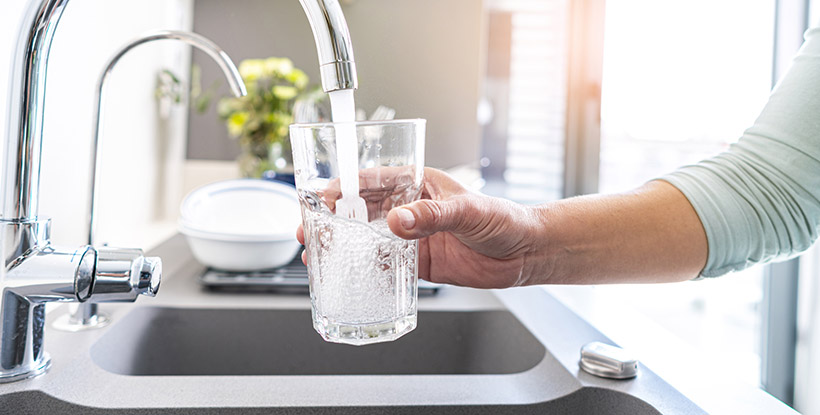
Water is an exquisite element, essential for life and yet distinctively multifaceted in its forms. When discussing this vital resource, we often encounter two vital categories: potable and nonpotable water. These classifications not only help us understand how to use water efficiently but also challenge our perceptions of what constitutes safe, usable water. In today’s world, where water scarcity might lead many to reconsider their consumption patterns, an awareness of these distinctions can ignite curiosity and inspire innovative solutions to our water-related challenges.
Understanding Potable Water
Potable water, or drinking water, is defined as water that is safe for human consumption. This designation indicates that it is devoid of harmful contaminants and pathogens that could pose health risks. The journey from source to tap is meticulously governed by stringent regulations and standards set by various organizations. These regulations ensure that the water is treated and maintained at high quality, safeguarding our health and well-being.
One fascinating element of potable water is its treatment process. Utilizing advanced technologies such as filtration, chlorination, and sedimentation, surface and groundwater sources undergo a metamorphosis. Filtration removes particulate matter, while chlorination disinfects the water, eradicating bacteria and viruses that may lurk in its depths. This alchemical process transforms nature’s raw offering into a beverage of purity.
It is intriguing to consider that approximately 1% of the Earth’s water is freshwater suitable for human usage. The scarcity of potable water in many regions reflects pressing global issues—climate change, population growth, and pollution disrupt the natural balance. These challenges underscore the need for conservation, highlighting the ethical responsibility of every individual to preserve this precious resource.
The Quintessence of Nonpotable Water
In stark contrast lies nonpotable water, which is not safe for consumption. This classification covers a broad range of water types, including surface water from rivers and lakes, wastewater, and even stormwater runoff. While this water might not meet the rigorous standards for potability, it can still serve a critical purpose in several domains.
Nonpotable water can be effectively repurposed for irrigation, industrial processes, and toilet flushing. Utilizing greywater—water that has been used for household purposes but not contaminated with fecal matter—exemplifies how we can maximize resource efficiency. Greywater systems allow for the recycling of water from sinks, showers, and washing machines, repurposing it for landscape irrigation and reducing the demand on freshwater supplies.
An oft-overlooked aspect of nonpotable water is its potential in environmental management. Aquifer recharge through stormwater harvesting is one innovative technique that rehabilitates urban ecosystems while alleviating stormwater runoff challenges. This progressive approach preserves the contours of the natural landscape while restoring habitats that benefit biodiversity.
The Unconventional Paradox: Potable and Nonpotable Polarities
There is a fascinating dichotomy between potable and nonpotable water that invites contemplation. One could argue that our perception of water quality is not solely based on its chemical composition but also on societal norms and historical context. Some cultures have developed a penchant for using nonpotable water, especially in agricultural applications, showcasing a bold stance that defies conventional consumerism.
Moreover, as technological innovations continue to emerge, the once-clear lines between these categories may begin to blur. Advanced treatment methods, such as membrane filtration and reverse osmosis, have been shown to purify even wastewater to a level that meets potable standards. The discourse surrounding the reuse of treated wastewater raises significant questions about our definition of clean water. Should we continue to stigmatize nonpotable water, or should we embrace its potential through advancement and education?
Global Perspectives on Potability
The varying global availability of potable water is another compelling narrative. Regions grappling with arid climates or inadequate infrastructure often resort to alternative sources, evoking both ingenuity and desperation. Countries like Singapore have embraced technology enabling them to convert reclaimed water into safe drinking water, reflecting resilience in the face of adversity. In contrast, other nations struggle against infrastructural deficiencies, leaving millions without adequate access to clean water.
This disparity generates substantial socio-economic impacts and amplifies inequalities in access to resources. When considered in conjunction with challenges like climate change, the importance of sustainable water management practices becomes starkly apparent. How do we reconcile the growing demand for potable water with the reality that much of our available water resource remains untapped?
Conclusion: Fostering a Water-Wise Future
The distinctions between potable and nonpotable water are intricately woven into the larger narrative of human interaction with this essential resource. Understanding these categories instills a sense of responsibility, empowering individuals and communities alike to engage in sustainable practices. As we embark on a journey toward a water-wise future, curiosity and willingness to rethink our perceptions will shape our collective approach to this vital resource. In this age of scarcity, a reevaluation of how we value and utilize both potable and nonpotable water may very well define our path forward, creating a landscape rich in both innovation and sustainability.









Leave a Comment