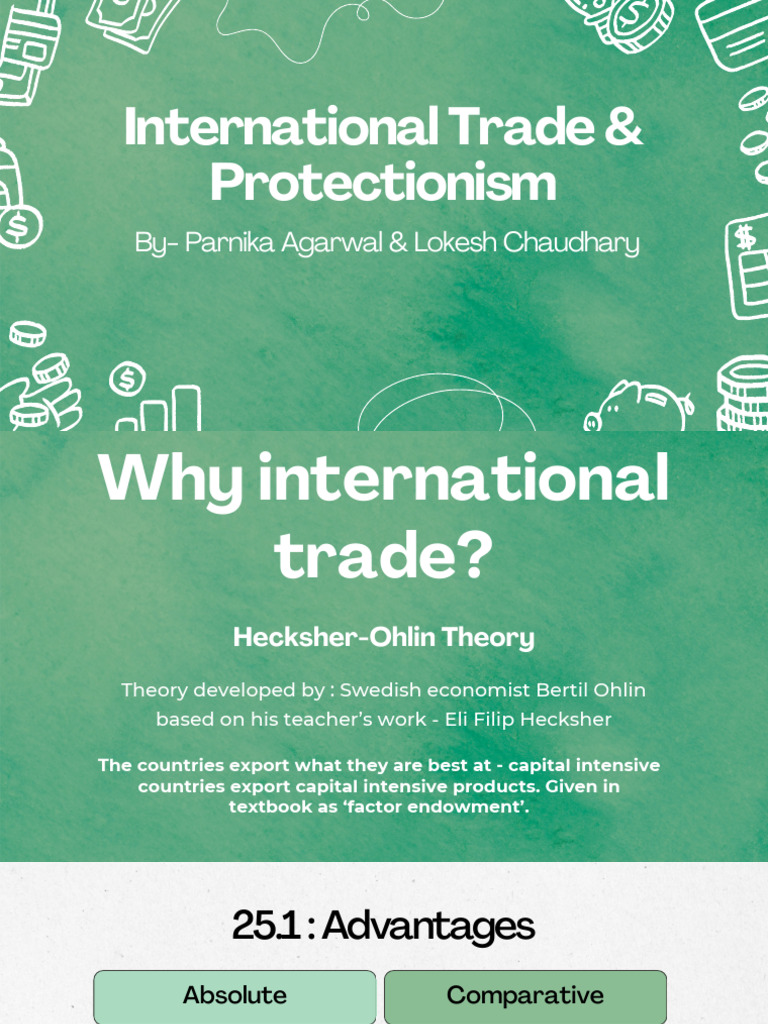
In the landscape of global trade, protectionism often conjures images of towering walls, bolstered by tariffs and regulations, intended to shield a nation’s economic interests. However, just as a gardener nurtures delicate seedlings from the harsh elements of nature, a country may sometimes find it necessary to protect its burgeoning industries and labor force from the vagaries of international competition. This article explores the rationale behind protectionism, as well as its tangible implications for economies and populations.
To begin with, let us delve into the essence of protectionism. This economic doctrine serves as a bulwark against the incessant tide of globalization. By erecting barriers such as tariffs, quotas, and subsidies, nations create an environment where local businesses can flourish without the overwhelming pressure of foreign competition. Such measures can be likened to the protective shell of a turtle, providing safety and stability in a world fraught with uncertainty.
One of the primary justifications for protectionism lies in the realm of nascent industries. Start-up firms often struggle to gain a foothold in the market dominated by established foreign competitors. Through protective measures, governments can nurture these fledgling industries, allowing them the time and space to innovate and solidify their market position. Much like a parent allowing their child to take their first steps, countries must sometimes provide a safe environment for their industries to fail and succeed on their own terms.
Moreover, protectionism can also be seen as a tool for national security. In an increasingly interconnected world, nations are vulnerable to economic coercion. By ensuring the self-sufficiency of critical industries—such as defense, telecommunications, and food production—countries can fortify their sovereignty. This self-reliance is akin to an archer maintaining a quiver of arrows; should the need arise, the means to defend oneself must be readily available.
Additionally, there is the matter of employment. As industries wither under the relentless onslaught of international competition, jobs disappear like sand slipping through fingers. Protectionist policies act as a safeguard, preserving employment within critical sectors. Maintaining jobs within the workforce is not just an economic necessity; it is a social imperative. The psychological toll of unemployment can be devastating, rendering communities desolate. Protective measures, therefore, serve as a lifeline for working families, instilling a sense of stability amid economic tumult.
In the intricate dance of international trade, the imbalance created by unfair practices—such as dumping, where foreign producers sell goods at sub-market prices—can devastate domestic markets. When countries engage in this kind of predatory pricing, it is the obligation of nations to shield their industries. By imposing tariffs on imported goods, countries can recalibrate the scales of competition, leveling the playing field. This intervention can be thought of as a referee in a boxing match, crucial in ensuring that the contest remains fair and just.
Furthermore, the environmental considerations of trade cannot be overlooked. Many developing countries may not impose the same stringent regulations on pollution and labor that developed nations do. An unrestrained influx of goods, produced under lax regulations, could lead to environmental degradation and a race to the bottom concerning labor rights. Protectionist policies can serve as a mechanism to promote sustainable practices, compelling foreign competitors to adhere to higher standards. In this way, trade becomes not just an economic exchange, but a moral one—a road paved with intention and ethical consideration.
On the other hand, it is vital to acknowledge the potential downsides of protectionism. Over-reliance on protective measures can lead to complacency among domestic producers, insulating them from the pressures of innovation. It may foster a culture of dependency, where industries expect governmental support rather than striving for improvement. This phenomenon can be likened to a bird that, raised in a cage, forgets how to soar, ultimately crippling its potential for growth.
Moreover, while protectionist policies may safeguard jobs in the short term, they may also engender retaliatory measures from trading partners, creating a domino effect of tariffs and counter-tariffs. This tit-for-tat dynamic can spiral into a trade war, wherein the very economy protectionism aims to shield ends up bearing the brunt of retaliatory sanctions, leaving citizens to grapple with higher prices and limited choices.
In conclusion, the discourse surrounding protectionism is nuanced. Advocates argue that it is a necessary apparatus for nurturing domestic industries, safeguarding national security, and preserving employment. Conversely, detractors caution against the perils of isolationism and complacency, highlighting the need for a balance. Much like a well-tuned orchestra, it is essential for nations to harmonize between protectionism and open trade—ensuring that while they nestle their industries, they do not neglect the broader advantages of global collaboration. In epochs of uncertainty, the judicious application of protectionism can indeed serve as a prudent vessel to guide national interests through the turbulent waters of global trade.











Leave a Comment