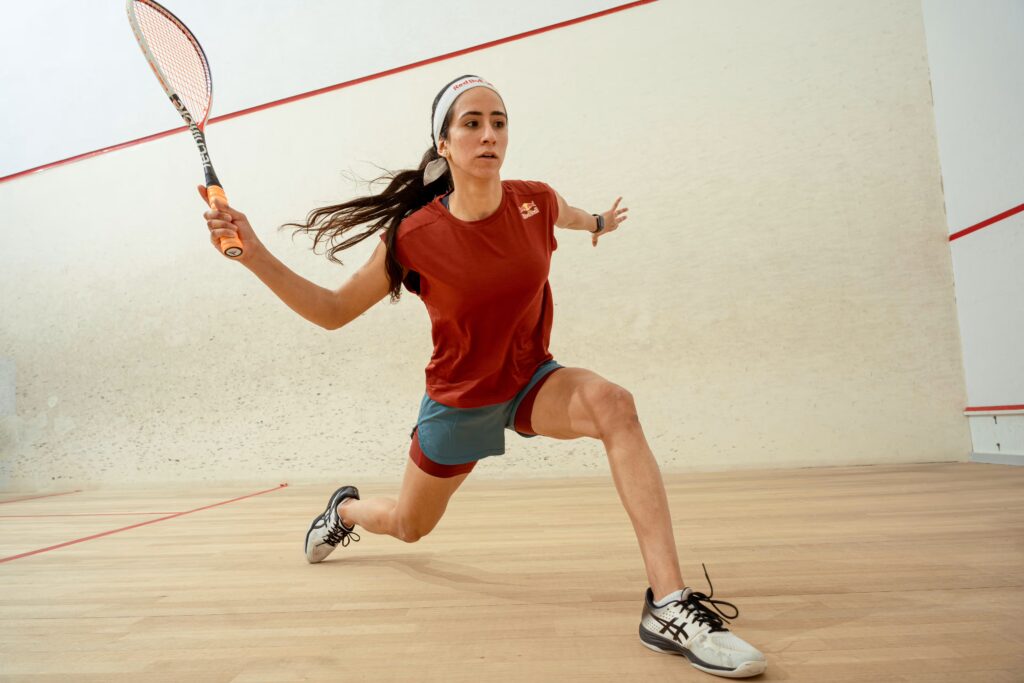
When it comes to exhilarating racquet sports, racquetball and squash often take center stage, captivating enthusiasts and casual players alike. At first glance, these two sports may seem similar, but a closer examination reveals a plethora of unique distinctions—from the equipment used to gameplay mechanics. This exploration into the realm of racquetball and squash promises to provide a fresh perspective, piquing the curiosity of seasoned players and beginners alike. So, let’s embark on a thorough comparison that unpacks these two dynamic racquet sports and all they entail.
1. A Brief History: Origins and Evolution
To truly understand racquetball and squash, one must appreciate their rich histories. Squash can trace its origins back to early 19th-century England, where it evolved from a game called “rackets.” Its popularity quickly spread beyond the British Isles, securing a place in athletic programs worldwide. In contrast, racquetball emerged in the mid-20th century, developed by Joseph Sobek in the United States. Sobek sought to create a game that combined aspects of handball and squash, providing a fast-paced alternative that caught on rapidly. Each sport, steeped in its own legacy, has adapted over time, attracting a diverse array of players.
2. Equipment Essentials: Racquets and Balls
Understanding the equipment involved in both sports is crucial. The racquetball racquet is distinctly shorter and has a larger, wider frame than the squash racquet, which makes it easier to maneuver and generate power in swings. Typically, racquetball racquets range from 22 to 23 inches in length, while squash racquets measure approximately 27 inches long. The materials also differ; racquetball racquets are often made from lightweight composites, while squash racquets feature a mix of graphite and other substances for a balance of power and control.
Equally important is the ball. In racquetball, the ball is larger, rubbery, and bouncy, encouraging fast-paced rallies that can be exhilarating for players. The squash ball, on the other hand, is smaller, made from rubber, and features a non-bouncy design. The fundamental difference in the balls significantly affects gameplay; the bounce of a racquetball allows for high-speed exchanges, while the squash ball requires strategic play, as it remains low to the ground until struck.
3. Court Dimensions: Playing Field Differences
The courts in which racquetball and squash are played differ in size and design. A standard racquetball court measures 40 feet in length and 20 feet in width, with an open-ended design that allows for unimpeded play from all angles. In contrast, a squash court is slightly smaller, measuring 32 feet in length and 21 feet in width, and is enclosed on all sides, creating a more intimate playing environment. The unique dimensions of each court shape the dynamics of gameplay, with racquetball emphasizing agility and volleying while squash requires finesse and court positioning.
4. Gameplay Mechanics: Strategy and Skills
While both sports thrive on agility and quick reflexes, they offer distinct styles of play. Racquetball is marked by fast-paced rallies, where players often rely on powerful forehand and backhand swings to dominate their opponents. This sport allows players to utilize all walls for rebounds, encouraging creative plays that keep the game kinetic and unpredictable. The strategy here tilts towards offense, placing a premium on speed and placement.
Squash, in contrast, leans more towards tactical maneuvers and precision. Players must master the art of controlling rallies and placing shots strategically around the court. Because the squash ball bounces low, deciding when to strike becomes critical; players must develop an intuitive sense of timing and placement to outmaneuver their opponents. The mental aspect of squash often leads to longer, more calculated points, creating a cerebral and engaging atmosphere.
5. Community and Culture: The Player Perspective
Another fascinating facet of these sports lies in their respective communities. Racquetball often fosters a more casual vibe, welcoming players of all skill levels and encouraging social interaction. Tournaments can be found regionally and nationally, but local clubs are typically the heart of racquetball culture, where friendships are forged over friendly matches.
Conversely, squash carries an air of tradition and prestige. Its storied history has birthed a competitive spirit that thrives in collegiate and professional spheres. The sport promotes a sense of elite camaraderie, with clubs often embodying a distinguished atmosphere. Moreover, the skill level among squash players tends to be prominently high, with extensive training and strategic gameplay being the norm.
6. Health Benefits: Physical and Mental Engagement
Both sports provide a robust cardiovascular workout, improving endurance and agility. However, the benefits extend beyond mere physical fitness. Engaging in racquetball or squash offers an opportunity for mental acuity as players must anticipate opponents’ moves and execute strategies swiftly. The fast-paced action increases hand-eye coordination while also serving as an outlet for stress relief. The competitive nature of the games evokes a sense of achievement, fostering a lifelong love for physical activity.
Ultimately, whether you gravitate towards the exhilarating dynamics of racquetball or the strategic finesse of squash, both sports offer a thrilling experience steeped in history, community, and personal growth. The beauty of racquetball and squash lies not only in their differences but also in their capacity to unite individuals through competition and camaraderie. As you explore the courts, let your curiosity guide you to discover which sport resonates with your identity. Will you wield the racquet of racquetball, or will you embrace the elegance of a squash racquet? Either way, both journeys can lead to fulfilling adventures in the sphere of racquet sports.









Leave a Comment