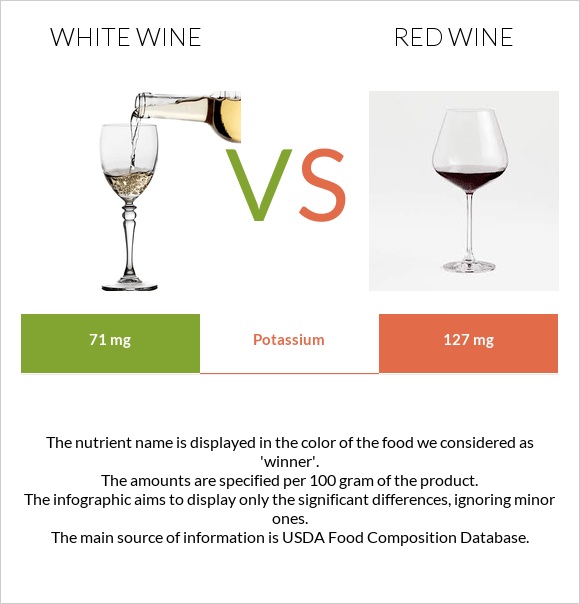
When it comes to the world of wine, two principal categories dominate discussions, tastings, and pairing recommendations: red wine and white wine. Each possesses unique characteristics, a diverse array of varieties, and nuances that cater to a multitude of palates. In this exploration, we will embody the essence of these two enchanting libations, examining their distinctions, profiles, and best-use scenarios.
1. The Basics: Understanding Composition
At the core of each wine type is the grape from which it is derived. Red wines are produced from dark-skinned grape varieties, which impart their color and richness through the fermentation process involving skins, seeds, and stems. In contrast, white wines are created mainly from green or yellowish grapes, where the grape skins are typically removed before fermentation, resulting in a lighter hue.
Nevertheless, exceptions exist. A prime example is the production of some rosé wines, which maintain contact with grape skins for a reduced time, yielding a beautiful blush. This foundational difference leads to divergent flavor profiles and aromas, laying the groundwork for understanding both varietals.
2. The Varietals: Exploring the Spectrum
Both red and white wines boast an eclectic array of varietals, each variety offering a distinct set of characteristics and flavor notes.
Red Wine Varietals:
- Cabernet Sauvignon: Renowned for its robust structure and tannins, this varietal offers an aromatic tapestry of dark fruits, herbs, and a hint of oak. It serves beautifully alongside richly flavored meats.
- Pinot Noir: Often lauded as the ‘chameleon’ of red wines, Pinot Noir presents an intricate bouquet ranging from red cherries to earthy undertones. Its elegance pairs impeccably with lighter fare.
- Merlot: Typically softer than Cabernet, Merlot exudes plush fruit flavors and velvety tannins. This approachability makes it a favorite for novice wine drinkers.
White Wine Varietals:
- Chardonnay: A flagship varietal, Chardonnay adapts to various regions and vinification styles, offering flavors that vary from crisp apple to buttery vanilla, often with a creamy texture.
- Sauvignon Blanc: Known for its zesty acidity and herbal notes, Sauvignon Blanc is like a breath of fresh air on the palate, with flavors spanning from grassy to tropical.
- Riesling: This aromatic varietal can range from bone dry to lusciously sweet. Often exhibiting floral and stone fruit aromas, Riesling is wonderfully versatile in food pairings.
3. The Flavor Profiles: A Sensorial Journey
The flavor profiles of red and white wines are strikingly different, influenced by factors such as grape variety, region, and vinification techniques. Red wines typically showcase bolder profiles, emphasizing dark fruits, spices, and tannins. In contrast, white wines tend to offer a refreshing experience, characterized by lighter fruits, floral notes, and vibrant acidity. The sensory journey through these flavors can transport one to the grape’s origins.
4. Food Pairing: Unlocking Culinary Harmony
Wine has long been celebrated as a complement to culinary experiences. The interplay of wine and food involves an intricate dance that can elevate a meal to enduring gastronomic delight.
For red wines, dishes with significant umami and richness are optimal. Hearty stews, grilled meats, and aged cheeses can harmonize with the complexity of red varietals. Conversely, white wines often excel alongside lighter dishes. Grilled seafood, fresh salads, and creamy pasta dishes align beautifully with white’s crisp acidity and fruit-forward profiles.
5. The Health Perspective: Moderate Consumption
Within both red and white wines lies a unique set of health considerations worth examining. Red wine, particularly, has garnered attention due to its high levels of antioxidants, such as resveratrol, known for their potential heart health benefits. Conversely, white wine contains fewer antioxidants but boasts its own set of potentials, particularly regarding lower caloric content and lighter options for those monitoring intake.
Nonetheless, moderation is key. Overconsumption poses risks regardless of the type of wine, making responsible indulgence imperative.
6. Cultural Significance: A Toast Across the Globe
Wine is steeped in cultural heritage and traditions, with different regions around the world placing emphasis on either red or white wines based on climatic conditions, traditions, and local preferences. In the Old World, many European countries celebrate their distinct varietals and regional practices, while in the New World, innovation reigns supreme, blending classic styles with modern techniques.
The celebrated wine regions from Bordeaux to Napa Valley advance passionate communities rooted in both red and white wine production. This cultural richness adds another layer of appreciation, allowing enthusiasts to explore varietals beyond mere taste.
7. Choosing Between Red and White: Personal Preference
The quintessential question remains, which is better, red or white? The answer largely depends on individual preference, occasion, and context. Some may favor the deep complexities of a full-bodied Cabernet Sauvignon, while others may seek the refreshment offered by a crisp Sauvignon Blanc. Experimentation is encouraged, as discovering personal preferences can lead to newfound favorites.
Ultimately, the synergy between red and white wines is what enriches the experience of wine appreciation. Choosing between the two does not have to be a binary decision but rather an exploration of flavors, pairings, and expressions that suit your palate and occasions.
As the wine world continues to evolve, both red and white wines maintain their significance in the grand tapestry of culinary and cultural experiences. Each varietal tells a story of the land, grapes, and craftsmanship imbued in their creation. So, the next time you raise a glass, savor the nuances and celebrate the rich diversity that both red and white wines have to offer.










Leave a Comment