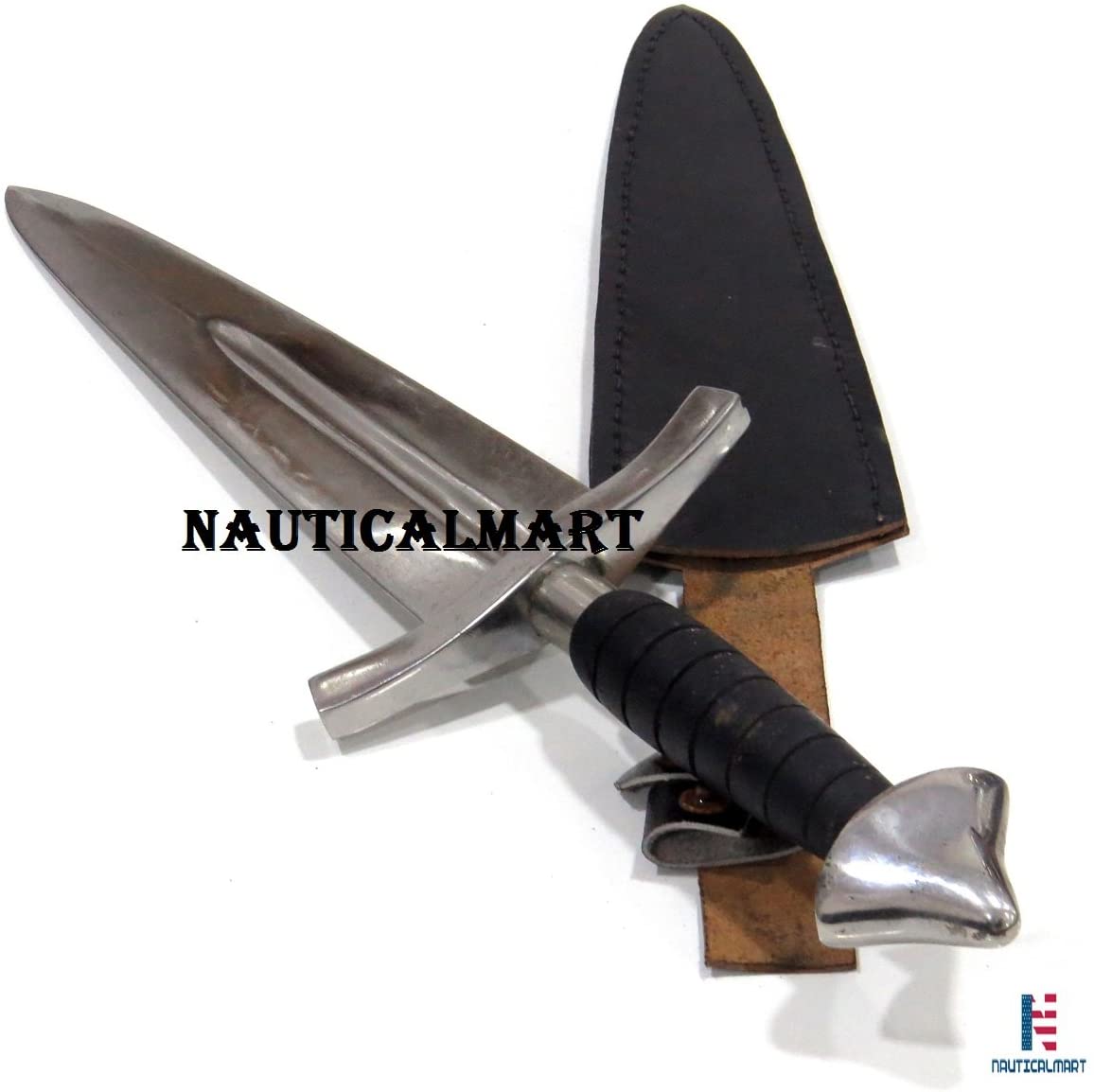
The Renaissance Era, an epoch characterized by rebirth and revitalization of art, science, and culture, serves as an enchanting backdrop for the exploration of weaponry. This period, roughly spanning from the 14th to the 17th century, witnessed not only the flourishing of humanistic thought but also the innovations in weapon design that mirrored the complexities of its society. In this context, fantasy weapon types burgeoned, embodying both practicality and imagination. This article delves into an extensive assortment of Renaissance-inspired weapon types, elevating the conversation around how these armaments are perceived in a fantastical lens.
1. Blade Variants: The Quintessence of Precision
At the heart of Renaissance weaponry, we find an array of blades, each with its own striking narrative. From the majestic rapier to the formidable flamberge, these weapons were not merely instruments of war; they were status symbols. The rapier, a slender, sharply pointed weapon ideal for thrusting, became a staple among the nobility. Its elegance concealed a lethal purpose that captivated both the wielder and observer.
The flamberge, with its undulating blade, was designed to create turbulent wounds while inflicting psychological terror. Such fascinating blades not only served to vanquish foes but also carved their place in the vivid tapestry of Renaissance artistry.
2. Polearms: The Reach of Authority
Next, we turn our attention to polearms, weapons designed to extend a warrior’s reach and dominion. The glaive and the halberd, both fearsome in their functionality, offer a duality of offense and defense. The glaive, characterized by its broad blade mounted on a long shaft, provided formidable cutting power while enabling the wielder to maintain distance from adversaries.
The halberd, on the other hand, seamlessly fused axe and spear, offering versatility on the battlefield and signifying the authority of the forces wielding it. Medieval and Renaissance conflicts often found these polearms at the forefront, bridging the divide between disciplined formations and chaotic skirmishes.
3. Artillery: The Dawn of Mechanized Warfare
The Renaissance was pivotal in the advancement of artillery, heralding the dawn of mechanized warfare. Cannons and hand-held firearms, such as the arquebus and musket, fundamentally altered the dynamics of combat. The arquebus, a smoothbore firearm that operated on the principle of gunpowder ignition, allowed soldiers to fire projectiles with unprecedented velocity and power.
As these firearms evolved, so too did their designs. With elaborate embellishments often adorning wooden stocks, these weapons became coveted treasures that highlighted the artistry of their makers. Not merely objects for destruction, they transformed the very scale at which warfare was conducted.
4. Exotic Weapons: A Glimpse into the Fantastical
Beyond conventional weapon types, the Renaissance Era also birthed exotic weaponry that draws deep from the well of fantasy. Weapons like the kusarigama or the ornately designed scimitar invoke a sense of wonder, transporting one’s imagination to far-reaching realms. The kusarigama, with its intricate combination of a sickle and a weighted chain, epitomizes the showmanship that can accompany martial skill.
Meanwhile, the scimitar, with its curved blade, not only served as an effective cutting weapon but also held cultural significance in regions where it was forged. The blend of functionality and flair encapsulates how fantastical elements of weaponry were interwoven with reality during this vibrant period.
5. Armor and Weapon Synergy
It’s essential to acknowledge the symbiotic relationship between weapons and armor in Renaissance combat. As weaponry evolved, the design of protective gear also advanced, leading to innovations such as the plate armor and chainmail. The artistry of armor-making went hand in hand with that of weapons, culminating in beautifully crafted yet utilitarian pieces.
This synergy also extends to the psychological dimensions of warfare. An imposing figure adorned in splendid armor, wielding a magnificent weapon, commanded respect and awe. The evolution of both aspects served to enhance the theater of war, making it a spectacle of artistry and power.
6. Symbolic and Ritualistic Weapons
Not all weapons of the Renaissance era were forged for the explicit purpose of battle. Some bore ceremonial significance, beautifully wrought with intricate designs symbolizing authority or divinity. The sword of state or the ceremonial dagger encapsulated the ethos of the time, serving as embodiments of noble lineage or divine right.
These weapons often became focal points during coronations, marriages, and other pivotal societal events, interlacing the themes of power, reverence, and artistry. Such symbolisms persisted, suggesting that weapons could transcend their martial utility and evolve into artifacts of cultural identity.
Conclusion
The Renaissance Era was not just a period marked by aesthetic beautification and intellectual flowering; it was also a time of profound innovation in weaponry. The weapon types that emerged during this time reveal a rich tapestry of culture, creativity, and conflict. From the sleek elegance of blades to the formidable presence of artillery, these weapons offer a compelling glimpse into the amalgamation of reality and fantasy. As we reflect on this epoch, we find that the creativity embedded in these weapon designs continues to inspire storytellers, game developers, and artists, inviting us all to peer into a world where imagination knows no bounds.











Leave a Comment