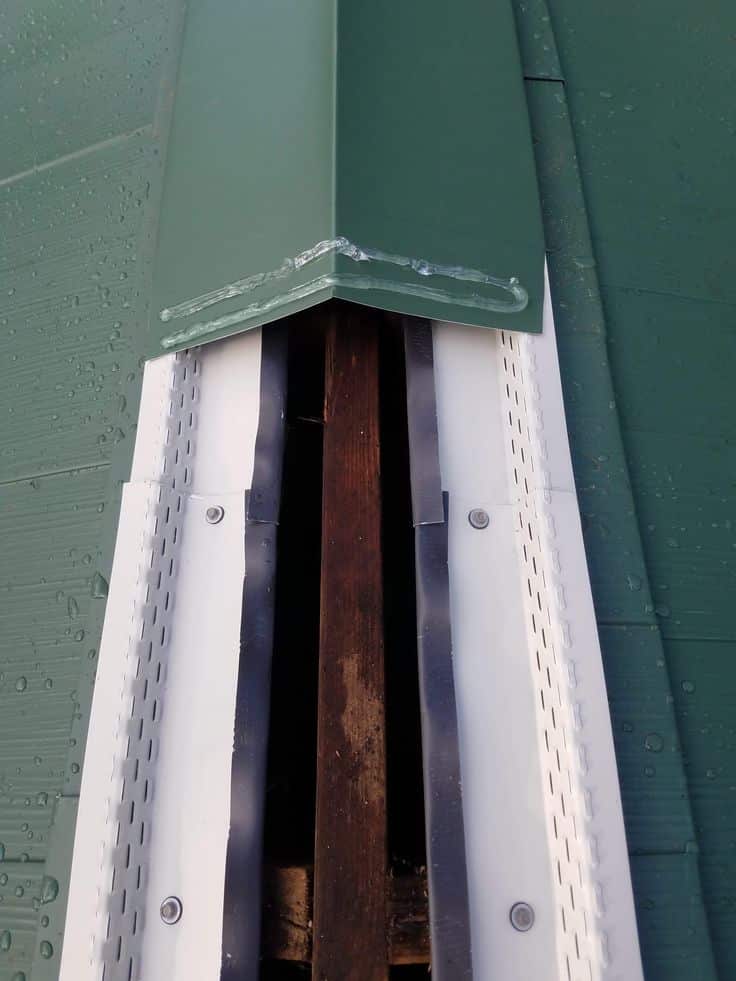
When it comes to installing a metal roof, there is much to consider to ensure the roof functions optimally. One underrated yet vital component is the ridge vent. Ridge vents not only play a crucial role in ventilation but also help maintain the integrity of the metal roofing system. This article delves into different aspects of ridge vents for metal roofing, exploring their types, benefits, installation considerations, and maintenance, providing you with a comprehensive understanding of this essential roofing element.
Understanding Ridge Vents
Ridge vents are elongated vent structures that run along the peak of a roof, facilitating effective airflow. By allowing warm air to escape and cool air to circulate, they help in regulating the temperature within the attic space. This is particularly important for metal roofs, which can absorb significant amounts of heat. Without adequate ventilation, the heat buildup can lead to condensation, damaging the roofing material and compromising its longevity.
Types of Ridge Vents
There are several types of ridge vents available to suit various roofing styles and ventilation needs. Understanding these options can assist homeowners and contractors in choosing the right type for their metal roofing systems.
1. Continuous Ridge Vents
Continuous ridge vents are the most commonly used type and are designed to run the entire length of the roof’s ridge. They provide superior airflow, allowing for optimal ventilation across the roof’s surface. This design ensures that air can flow freely, making them ideal for homes with a steep pitch. Their seamless appearance also integrates well with the aesthetics of metal roofing.
2. Box Vents
Box vents are individual, box-like structures placed at intervals along the ridge. While less efficient than continuous options, they provide decent ventilation and can be easily installed during new construction or retrofitting. Box vents can sometimes be less expensive than continuous ridge vents, making them an attractive option for budget-conscious homeowners.
3. Turtle Vents
Turtle vents, characterized by their distinctive rounded shape, are another form of ventilation that can be used with metal roofs. Positioned on the ridge or near the peak, they function similarly to box vents. Turtle vents are particularly advantageous in areas with heavy snowfall, as their design prevents snow buildup in vent openings.
4. Wind Turbines
Wind turbines are a unique solution that harnesses wind power to enhance ventilation. They rotate in response to wind and can significantly increase airflow when installed in conjunction with other ridge vent types. This may be particularly useful in regions with frequent windy conditions, contributing to more effective cooling and moisture control.
Benefits of Ridge Vents for Metal Roofing
Choosing to incorporate ridge vents in a metal roofing system comes with myriad benefits that extend beyond mere ventilation.
1. Energy Efficiency
Proper ventilation helps in maintaining a balanced temperature within the attic, reducing the workload on air conditioning systems. This translates to lower energy bills, making homes more efficient
2. Moisture Control
Excessive moisture can degrade insulation materials and foster mold growth. Ridge vents facilitate the escape of humid air, thereby protecting against these potential hazards and contributing to a healthier indoor environment.
3. Longer Roof Lifespan
By preventing heat and moisture buildup, ridge vents can enhance the lifespan of metal roofing materials. Keeping the attic cool and dry helps to mitigate issues that could lead to costly repairs or premature roof replacement.
4. Improved Air Quality
Proper ventilation encourages airflow and reduces stagnant air pockets, promoting better indoor air quality. This is particularly valuable in homes with multiple occupants and activities generating heat and moisture.
Installation Considerations
The installation of ridge vents, while straightforward, requires attention to detail for maximized effectiveness. Here are some pointers for successful installation.
1. Choose the Right Size
Select ridge vents that are appropriate for the dimensions of your roof and ensure that they align with the overall ventilation strategy. A general rule of thumb is to provide at least one square foot of vent area for every 300 square feet of unobstructed attic space.
2. Seal with Underlayment
A high-quality underlayment should be laid beneath the ridge vent to prevent leaks. This layer acts as a safeguard against rain and other moisture, ensuring that the ridge vent performs as intended.
3. Balance Intake and Exhaust
Ridge vents work best when combined with soffit vents that provide fresh air intake. Ensuring a balanced flow of air is pivotal to preventing negative pressure areas and optimizing ventilation efficiency.
Maintenance of Ridge Vents
1. Visual Inspection
Regularly check for signs of debris accumulation, damage, or misalignment. Cleaning out any obstructions will ensure unobstructed airflow.
2. Ensure Proper Sealing
Over time, roofing materials may shift, potentially compromising seals. Inspect caulking and flashing around the ridge vent to ensure they remain intact, preventing leakages.
Conclusion
In summary, ridge vents are an integral part of metal roofing systems that can significantly enhance energy efficiency, moisture control, and overall roof lifespan. Understanding the various types of ridge vents, their benefits, and installation procedures allows homeowners and contractors to make informed decisions. Regular maintenance and inspections further ensure that these ventilation systems continue to operate effectively, thereby safeguarding the investment made in a metal roof. With proper attention and care, ridge vents contribute to creating a more comfortable and energy-efficient living space.











Leave a Comment