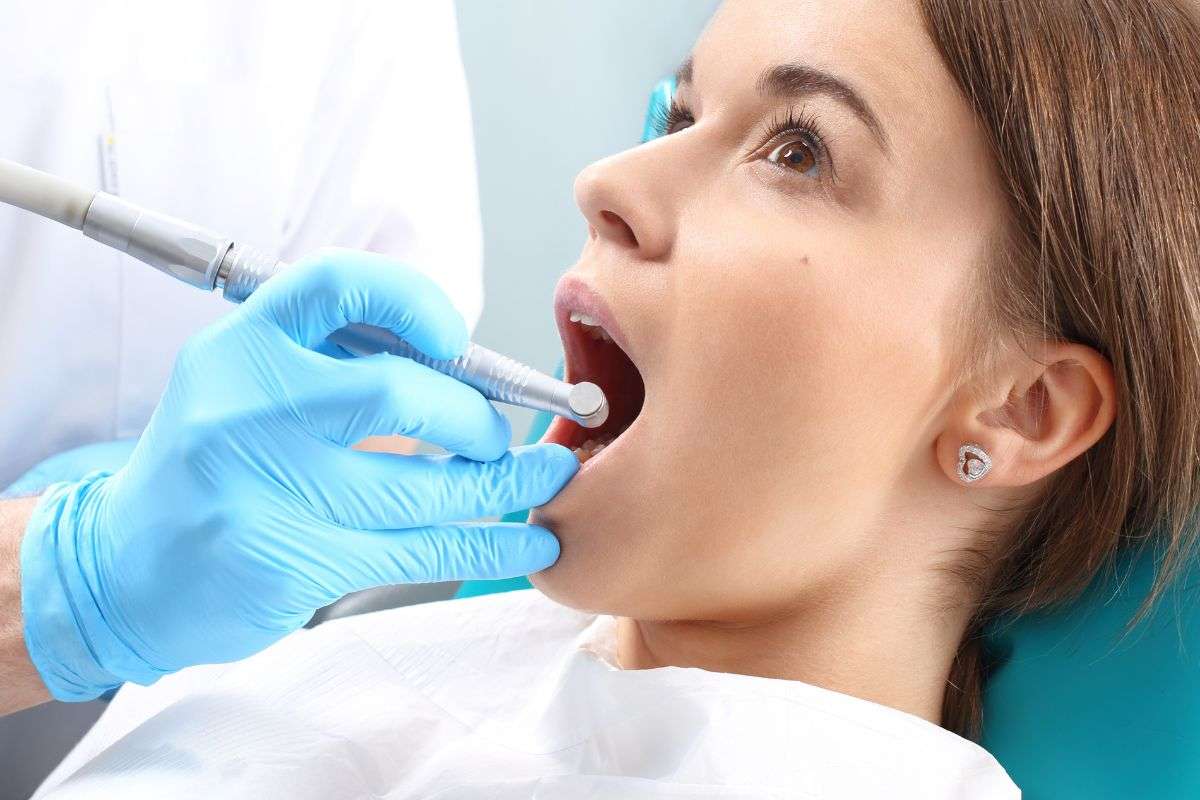
Undergoing a root canal treatment can provoke a myriad of questions, particularly regarding post-procedure care. One of the most pertinent inquiries revolves around eating: “Can I eat after a root canal?” Navigating the delicate balance between oral care and dietary enjoyment can be perplexing. This article aims to elucidate the ins and outs of eating following a root canal, exploring recommended practices, potential challenges, and an overview of diet adjustments to ease the recovery process.
Understanding Root Canal Treatment
Root canal treatment is designed to remove the infected pulp from within a tooth, subsequently sealing it to halt bacteria proliferation. While this procedure alleviates pain and saves the natural tooth, it also necessitates a recovery period during which proper care is crucial. Typically, post-operative discomfort can range from mild to moderate, depending on various factors such as the tooth’s condition and the complexity of the procedure.
The Immediate Aftermath: What to Expect
Once the root canal is completed, patients may experience numbness in the affected area due to local anesthesia. This numbness often lasts for several hours, leading to the crucial question: when is it safe to resume eating? Medical professionals generally advise waiting until the anesthesia wears off to avoid accidentally biting the cheek, tongue, or lip.
Recommended Wait Time
It is prudent to wait at least two hours after the procedure before attempting to eat. This timeframe allows the anesthetic effects to dissipate, minimizing the risk of self-inflicted injuries. However, some practitioners may suggest waiting until the following day, especially if a significant amount of anesthesia was administered or if you are particularly sensitive to pain. Always consult with your dentist for tailored advice.
Dietary Considerations: Soft Foods Preferred
During the initial recovery phase, it is advisable to opt for a diet rich in soft foods. These items are easy to chew, exert minimal pressure on the healing tooth, and help avoid aggravating any residual discomfort. Below are categories of recommended foods:
- Pureed Foods: Consider soups or smoothies, which provide essential nutrients while being gentle on the mouth.
- Soft Fruits: Banana and applesauce are excellent choices that offer vitamins without requiring extensive chewing.
- Cooked Vegetables: Steamed or boiled vegetables, such as carrots and squash, can be mashed for easy consumption.
- Dairy Products: Yogurt and soft cheeses provide protein and can be soothing after a procedure.
Dangers of Timing and Food Selection
Your choice of food can have unintended consequences if consumed too soon after a root canal. Hard, crunchy, and sticky foods pose a significant risk of damaging the treated tooth or causing discomfort. Furthermore, a hot meal may increase sensitivity, especially if the tooth has residual inflammation. It’s prudent to avoid:
- Crunchy snacks, such as chips or nuts
- Sticky candies that may cling to the tooth
- Foods with sharp edges, like crusty bread
- Hot beverages, which may exacerbate inflammation
Hydration is Key
Staying hydrated plays a pivotal role in recovery. However, be mindful of the temperature of your beverages. Cool or lukewarm fluids are generally recommended during the initial recovery, as iced or hot drinks could heighten sensitivity in the affected area.
Gradual Return to Regular Diet
Once the initial recovery phase progresses, and any discomfort diminishes, you might feel inclined to return to a regular diet. This transition should be gradual. Start by introducing semi-soft foods before slowly incorporating firmer textures as tolerance improves. Listen to your body; if discomfort persists, reassess your choices and temporize the reintroduction of more challenging foods.
Monitoring Symptoms
Throughout the recovery journey, being vigilant about symptoms is paramount. If there’s persistent pain, swelling, or fever, it’s imperative to contact your dentist for further guidance. Such symptoms might indicate a complication that warrants immediate attention.
Follow-Up Appointments
Lastly, ensure you adhere to any follow-up appointments as recommended by your dental professional. These visits are essential for monitoring the healing process and assessing the success of the root canal treatment. Compliance with post-operative care practices will significantly enhance the likelihood of a favorable outcome.
Conclusion
In summary, post-root canal eating requires careful consideration. Emphasizing soft foods, allowing adequate time for the anesthesia to dissipate, and remaining vigilant about symptoms are crucial components in facilitating a smooth recovery. As with many aspects of dental health, personalized advice from your dental practitioner is invaluable. By adhering to these guidelines, you can significantly alleviate discomfort while promoting optimal healing, ensuring you can return to enjoying your favorite foods without apprehension.








Leave a Comment