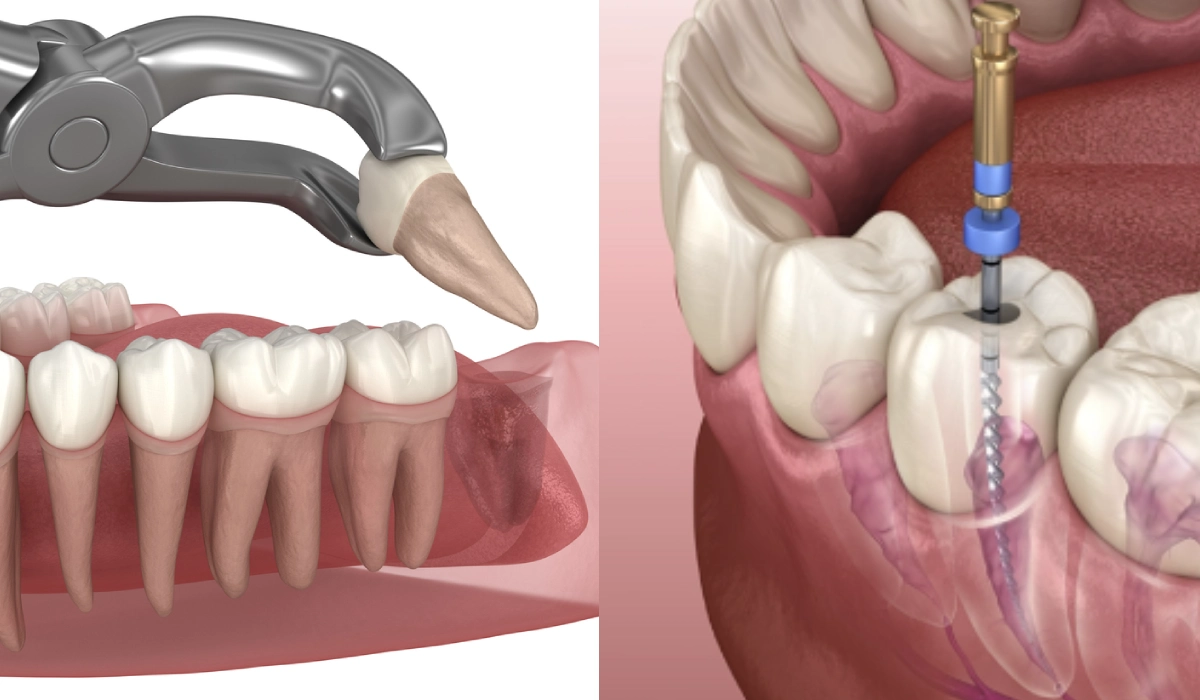
When faced with dental dilemmas, akin to navigating a labyrinthine maze, the options can feel overwhelming. Among the myriad choices, two stand out vividly: root canal therapy and tooth extraction. Each procedure signifies a distinct path in the journey toward dental health, encapsulating the essence of preservation versus liberation. This article aims to unravel the intricacies of both processes, illuminating the benefits and drawbacks, so you may approach your dental decision with informed confidence.
Understanding the Context: The Intricacies of Dental Health
Our teeth are much like the ancient pillars of a grand civilization; they provide structure and support to the surrounding architecture of our oral landscape. However, these pillars are not impervious; they can succumb to decay, infection, or trauma. When faced with a compromised tooth, the decision to repair or remove can feel like choosing between the devil and the deep blue sea. This metaphorical juncture demands careful consideration of a multitude of factors.
Root Canal Therapy: The Art of Salvage
A root canal can be likened to a surgical rescue mission, meticulously designed to retrieve a tooth from the clutches of decay. In this procedure, an endodontist elegantly removes the inflamed or infected pulp tissue from the inner sanctuary of the tooth. After decontamination, the chamber is filled with a biocompatible material, and a crown may be placed on top to fortify the tooth’s structure. Here are some compelling facets to consider:
- Preservation is Paramount: Root canals allow for the conservation of your natural tooth structure, maintaining the harmony of your bite and facial aesthetics.
- Restoration of Function: Post-procedure, your ability to chew is restored, and sensitivity to temperature diminishes, enabling a return to your culinary escapades.
- Long-Term Success Rate: With proper care and maintenance, root canal therapy boasts a success rate exceeding 90%, acting as a sturdy lifeline for afflicted teeth.
- Pain Management: Contrary to common myths, modern anesthetics and techniques ensure that the procedure is relatively painless, making it a viable option for most patients.
However, as with every choice, the path of root canal therapy is not without its challenges:
- Cost Considerations: Root canals can be more costly than extraction, especially if additional restorative work is necessary, leading some to opt for a simpler solution.
- Time Investment: The procedure may require multiple visits, and some patients may find this tedious.
- Possible Future Complications: Occasionally, a tooth that has undergone a root canal might still develop complications, necessitating further intervention and raising questions about longevity.
Tooth Extraction: A Decisive Farewell
On the opposite end of the spectrum lies tooth extraction, akin to decluttering an overburdened space. Removal is often considered when a tooth is deemed irremediable, either due to extensive decay, advanced periodontal disease, or irreparable fractures. The allure of this route lies in its decisiveness. Here are salient points to consider about extraction:
- Swift Resolution: Tooth extraction is typically a more straightforward and faster procedure, delivering immediate relief from pain and discomfort.
- Cost-Effective Approach: Often less expensive than a root canal, extraction can be appealing for those burdened with budget constraints.
- Elimination of Infection: For severely infected teeth, extraction swiftly curtails the potential spread of harmful bacteria, safeguarding surrounding oral structures.
However, the decision to extract comes with its own ramifications:
- Impact on Adjacent Teeth: Removing a tooth can result in the shifting of neighboring teeth over time, potentially leading to complications, including misalignment.
- Loss of Function: A missing tooth can inhibit effective chewing and alter speech patterns, significantly affecting a person’s quality of life.
- Emotional Dissonance: The loss of a tooth can carry emotional weight, affecting an individual’s self-esteem, particularly if the extraction occurs in a visible area.
Making the Choice: A Reflective Journey
As one stands at this crossroads, contemplating root canal therapy or extraction, it is pivotal to weigh both the pros and cons with a discerning eye. Consultations with dental professionals can provide tailored insights, ensuring that individual circumstances are comprehensively addressed. Questions regarding the current condition of the tooth, overall health status, and personal preferences should permeate the discussion.
Additionally, considering the long-term implications—both functional and aesthetic—can provide clarity. Are you willing to undergo the intricacies of rehabilitation to preserve a tooth that still holds potential? Or do you prefer the simplicity of extraction, albeit with the understanding of its cascading effects? The choice is deeply personal, a narrative entwined with tooth and tale.
Conclusion: Embracing Informed Decisions
Ultimately, navigating the divide between root canal therapy and tooth extraction mirrors the balancing act of preserving what can be saved versus embracing the necessity of loss. Each option carries its own unique appeal, and informed decision-making is pivotal. Understanding the intricacies surrounding both treatments enables you to embark on your dental journey with clarity and confidence. Ultimately, your dental health is a vital cornerstone of your overall well-being, worthy of thoughtful consideration and care.










Leave a Comment