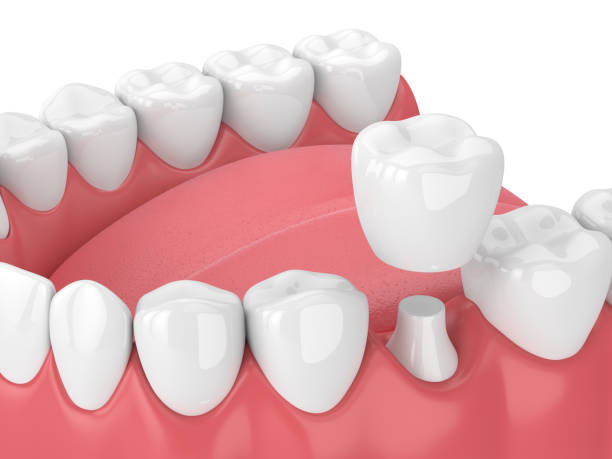
Root canals have long been a source of trepidation for many individuals. The thought of undergoing a procedure designed to alleviate tooth pain often incites anxiety; however, the idea of experiencing a root canal without the subsequent placement of a crown can elicit further disbelief and curiosity. This exploration delves into the enigmatic world of root canals performed without crowns, addressing common observations, understanding the underlying rationale, and dispelling myths surrounding the procedure.
Firstly, it is imperative to delineate what a root canal entails. This endodontic therapy is employed to treat an infected or inflamed pulp within the tooth. The dentist removes the problematic pulp, cleans the root canals, and then seals them to prevent reinfection. Traditionally, a crown is placed afterward to restore the tooth’s structural integrity and function. Yet, there are scenarios where a crown may not be deemed necessary, inciting a robust inquiry into why some choose this route.
One predominant reason for conducting a root canal without a crown springs from the potential quality of the tooth. If the tooth is robust and the damage is minimal, the dentist might judge that a crown is superfluous. This often applies to teeth with limited biting pressure, such as premolars or certain incisors. In such instances, the tooth’s structural integrity can still endure with just the filling or composite material, making a crown an unnecessary complication.
Additionally, the motivation to conserve the tooth’s natural structure plays a pivotal role. The dental ethos advocates for preserving as much of the natural tooth as possible. By not placing a crown, practitioners can maximize the longevity of the remaining tooth structure, while also simplifying future dental interventions. This perspective integrates a profound respect for the natural anatomy and an understanding of the patient’s overall dental health.
Another dimension to consider is the relative cost-effectiveness of forgoing a crown. Dental procedures can be a significant financial burden. Patients often face decisions that hinge not solely on necessity but also on affordability. When a root canal alone suffices, many opt for this less costly route, alleviating some of the financial pressure typically associated with elaborate restorations like crowns.
Moreover, the decision may stem from the patient’s demographic factors. Individuals in regions with limited access to specialized dental care may find themselves in circumstances where crowns are not readily available, or the wait times for such procedures are extensive. In these cases, executing a root canal without a crown can present a pragmatic solution to immediate dental distress.
However, the absence of a crown does not imply an absence of risk. There remains the critical consideration of decay and structural support following the procedure. Teeth that have undergone a root canal are often more susceptible to fracture, mainly because they lack the vitality conferred by a healthy pulp. As such, the decision to forgo a crown should not be taken lightly. Rigorous assessments and follow-ups become increasingly paramount to ensure the tooth remains viable post-treatment.
Further complicating the discourse on root canals without crowns is the misconception that such a choice signifies inadequate dental care or knowledge. This stereotype can be detrimental, where patients might feel marginalized or judged for opting out of post-procedural crowns. Education plays a crucial role in dispelling this myth, as dentists must articulate the rationale behind individualized treatment plans. Patients should be informed that these decisions often reflect nuanced considerations rather than ignorance of dental health standards.
As we unravel the intricacies of root canals performed without crowns, it becomes evident that this approach deserves thoughtful consideration rather than blanket condemnation. Evaluating a patient’s overall oral health, budgetary constraints, and the specific characteristics of the affected tooth can yield diverse pathways to effective dental care. Moreover, engaging in transparent discussions with a dental professional can foster a collaborative atmosphere conducive to making informed decisions.
In conclusion, navigating the nuances of root canal therapy without crowns reveals a landscape rife with both conventional wisdom and specialized knowledge. While some may find the concept of skipping the crown to be unorthodox, it is essential to recognize the multifaceted motivations behind this choice. From the preservation of natural tooth structure to economic considerations, the rationale extends beyond mere preference. With an informed perspective, individuals can engage in meaningful conversations with their dental care providers, ensuring that their treatment aligns with their unique circumstances and needs. Ultimately, fostering understanding in the realm of dental procedures can lead to more tailored and effective results, paving the way for better oral health outcomes.










Leave a Comment