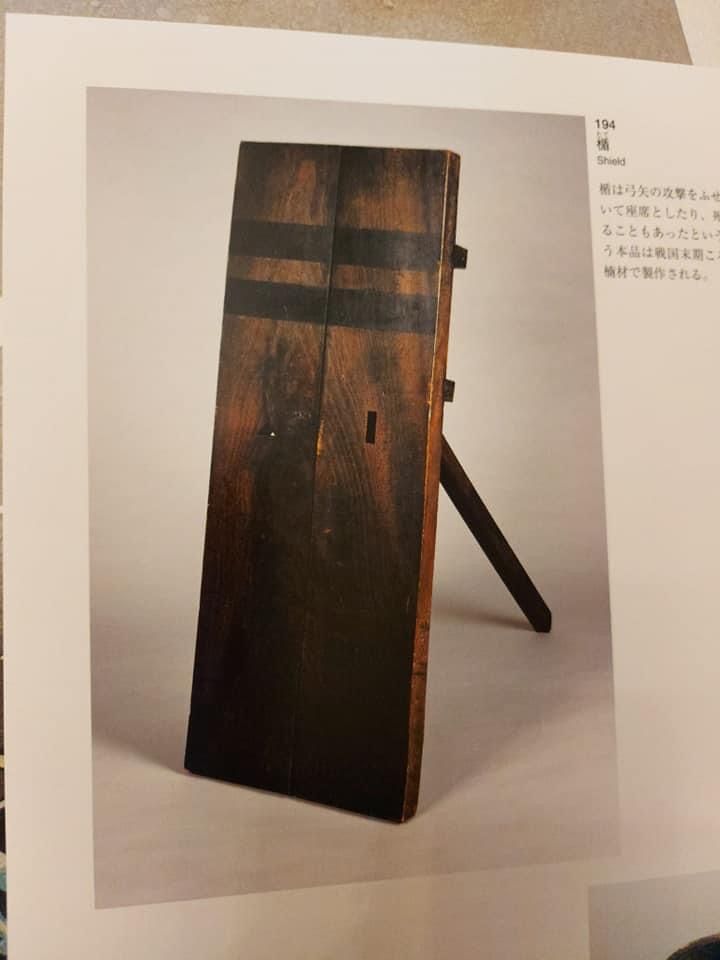
In the artful and storied history of Japanese martial traditions, two distinct forms of expressions of combat have emerged: Samurai Tate and Tedate. Each represents a unique philosophy and methodology that caters to the complexities of martial skill, discipline, and the rich tapestry of Japanese culture. This exploration aims to elucidate these two forms, their practical implications, and their ideological underpinnings, offering readers an enlightening glimpse into the world of Japanese swordsmanship.
Understanding Samurai Tate
Samurai Tate, often regarded as the way of the samurai, is more than just a style; it is a comprehensive manifestation of the samurai’s ethos. This form embodies a specific set of techniques, stances, and strategic mindsets honed over centuries. At its core, Samurai Tate is steeped in the principles of honor, discipline, and combat efficacy. It speaks to the spiritual and philosophical undercurrents that define the samurai’s existence.
The techniques found within Samurai Tate are characterized by their elegant simplicity and lethal effectiveness. Practitioners utilize a variety of stances such as Chudan (middle guard), Jodan (high guard), and Gedan (low guard) to control the distance and dynamics of combat. Each position serves a tactical purpose, providing both offensive and defensive capabilities within the fluid motion of battle.
Moreover, the weapon of choice in this discipline—the katana—is not merely a tool of war; it signifies a deeper connection to the samurai’s identity and heritage. The katana is often seen as an extension of the practitioner’s will, requiring meticulous training to wield with unparalleled skill. The philosophy surrounding Samurai Tate is that one must harmonize with their weapon, embodying the principles of precision and respect towards both the blade and the opponent.
Examining Tedate
In contrast, Tedate, while also a method of sword fighting, emphasizes a different array of strategies and techniques. It is particularly noted for its fluidity and adaptability. The term “Tedate” can be translated as “hand techniques,” indicating the discipline’s focus not solely on the sword but also on the practitioner’s movements, techniques, and adaptability in varying circumstances.
Tedate incorporates a diverse range of techniques, including joint locks, throws, and strikes utilizing both the sword and the practitioner’s body. This martial practice often emphasizes non-resistance, encouraging the practitioner to flow with the movement of their opponent rather than meet force with force. This concept addresses a core principle of many Eastern martial arts, promoting a philosophy that momentarily subverts strength for dexterity and perception.
Unlike the more traditional structures of Samurai Tate, Tedate is known for its integration of spontaneity and improvisation. This methodology allows for a diverse expression of skills that can be tailored to individual practitioners. In this sense, Tedate is as much an art of adaptability as it is a martial combat style.
Comparative Approach: Philosophical and Practical Distinctions
Delving deeper into the philosophical ramifications of these two styles, one begins to see subtle but profound distinctions. Samurai Tate extols the virtues of loyalty, honor, and a rigid code of conduct, grounding practitioners in a historical narrative that transcends time. It is a homage to the warriors of yore, emphasizing respect for one’s opponent and maintaining integrity through each encounter.
Conversely, Tedate’s philosophy champions flexibility and innovation. Practitioners are not constrained by rigid forms; instead, they are encouraged to harmonize their techniques with the ever-changing dynamics of combat. This approach fosters a mindset of openness, curiosity, and readiness to embrace new challenges. The tension between these two philosophies creates a rich dialogue within the martial arts community, inspiring practitioners to explore the interconnections between rigorous tradition and adaptive strategy.
Training Regimens: Path to Mastery
The journey toward proficiency in either Samurai Tate or Tedate is paved with dedication and a stubborn commitment to practice. Training in Samurai Tate typically follows a structured regimen. Learners often engage in repetitive drills to master the basic stances and movements associated with various kata (forms). This disciplined approach allows practitioners to internalize both the physical and philosophical elements of the art.
In contrast, Tedate practitioners often focus on sparring and free practice, engaging in drills that emphasize reaction, adaptability, and the integration of techniques. Training consists of a fluid exchange of attacks and defenses, encouraging students to think critically and respond spontaneously. This method cultivates a deeper understanding of timing and distance, which are essential in dynamic combat scenarios.
Conclusion
Ultimately, the juxtaposition between Samurai Tate and Tedate presents an enriching tapestry of techniques, philosophies, and cultural significance. Each discipline stands as a testament to the enduring legacy of Japanese martial arts, offering practitioners distinct pathways toward mastery. Whether one is drawn to the steadfast honor of Samurai Tate or the adaptive nature of Tedate, the exploration of these art forms reveals not merely skillsets but deeper spiritual undertones that continue to resonate with practitioners around the world. Engage with either path, and one might uncover a profound journey into the heart of martial tradition and self-discovery.








Leave a Comment