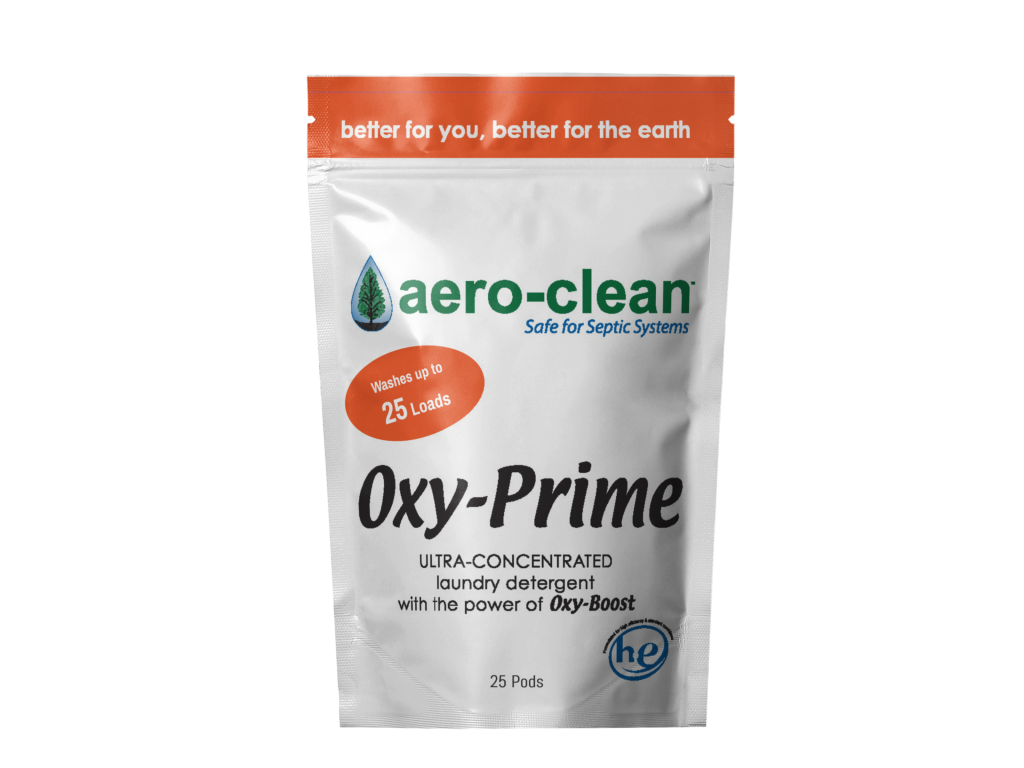
In modern households, the convenience of washing machines allows us to tackle laundry with ease. Imagine tossing a pile of clothes into the machine, adding detergent, and walking away, only to return to a crisp-smelling load ready to be worn. Yet, have you ever pondered the impact that your choice of laundry detergent may have on your septic system? For many, this essential aspect of household maintenance poses a formidable question: is my laundry detergent septic safe?
With the increasing reliance on chemical-heavy laundry products, a notable challenge emerges: balancing cleanliness with environmental stewardship, particularly for those relying on septic systems. Traditional detergents can contain substances detrimental to the natural bacteria that break down waste in septic tanks. Consequently, selecting a septic-safe laundry detergent has evolved from a niche concern into a critical component for responsible homeowners. In this article, we embark on a comprehensive exploration of what septic-safe laundry detergents entail, their benefits, and how to choose the ideal product for your needs.
Understanding Septic Systems
Before diving into the types of detergents available, it is crucial to comprehend how septic systems function. These underground wastewater treatment structures rely on a delicate ecosystem. Bacteria play an integral role in breaking down solids, transforming what goes down the drain into harmless byproducts. If these beneficial microorganisms are hindered or killed by harsh chemicals, the septic system can malfunction, leading to costly repairs and health hazards.
What Makes a Detergent Septic Safe?
Not all detergents are created equal, especially when it comes to compatibility with septic systems. The criteria for a septic-safe detergent generally include the following:
- Biodegradability: Septic-safe detergents decompose naturally, ensuring that they won’t disrupt the microbiome of the septic system.
- Low Phosphate Levels: High phosphate concentrations can lead to algae blooms in nearby waterways, which can be harmful. A low-phosphate detergent is beneficial for both your septic system and the environment.
- Naturally Derived Ingredients: Ingredients sourced from plants rather than synthetic processes are typically gentler on septic systems.
- pH Balance: A balanced pH ensures that the detergent is neither too acidic nor too alkaline, as extremes can adversely affect bacterial activity.
The Advantages of Using Septic Safe Detergents
Choosing a detergent that is explicitly identified as septic safe can offer numerous advantages. First and foremost, utilizing such products enhances the longevity of your septic system. By maintaining the health of the bacteria that process waste, you will minimize the risk of backups and extensive damage, which can lead to expensive repairs and service calls. A healthy septic system also correlates directly with environmental benefits, as the lower toxicity of these detergents minimizes pollution. Finally, many septic-safe products are devoid of harsh fragrances and dyes, making them more suitable for those with sensitivities or allergies.
How to Choose Your Septic Safe Laundry Detergent
When shopping for the right septic-safe detergent, consider the following criteria to guide your selection:
- Read Labels: Don’t be swayed by clever marketing. Read ingredient lists carefully to ensure there are no harmful chemicals or undisclosed substances.
- Environmental Certifications: Look for certifications like EPA Safer Choice or Green Seal, indicating that the product meets specific environmental standards.
- Consumer Reviews: Leverage the experience of other consumers to discern the effectiveness and safety of different brands.
- Concentration: Opt for concentrated formulas that require less product per wash. This reduces the overall volume of chemicals entering your septic system.
The Role of DIY Alternatives
For those interested in a more hands-on approach, making your own laundry detergent can be an exciting venture with several benefits. Homemade solutions offer complete control over ingredients, allowing users to ensure that no harmful chemicals are introduced into the system. Common ingredients for DIY laundry detergents include washing soda, borax, and soap flakes—all of which can be effectively utilized without the toxicity associated with many commercial options.
Final Thoughts
As we reflect on the often-overlooked aspect of laundry care, the importance of selecting septic-safe detergents becomes abundantly clear. Not only does responsible product choice foster the health of your septic system, but it also aligns with broader environmental sustainability goals. The products you choose can either protect or jeopardize the delicate ecosystem supporting your home’s waste management. Thus, the next time you stroll down the laundry aisle, consider the implications of your detergent choice. Will your selection contribute to a harmonious balance, or will it upset the natural order? Your decision makes all the difference.









Leave a Comment